
The traditional image of a bustling manufacturing floor in Southern Africa is undergoing a profound transformation as high-speed robotic systems replace labor-intensive manual processes to meet the demands of a globalized economy. As regional manufacturers grapple with rising operational costs and an urgent need for consistency, the integration of advanced automation is no longer viewed as a luxury but as a survival strategy. The current landscape in 2026 shows a significant pivot toward localized high-tech solutions that bridge the gap between heavy industrial requirements and the delicate handling needed for consumer goods. This evolution is particularly visible in the food and beverage sector, where the pressure to deliver thousands of units per hour has pushed legacy machinery to its breaking point. By adopting sophisticated robotics, local facilities are now matching the precision and uptime of their international counterparts, fundamentally altering the competitive dynamics of the entire subcontinent.
Strategic Integration of Advanced Robotics
Modernizing End-of-Line Production Systems
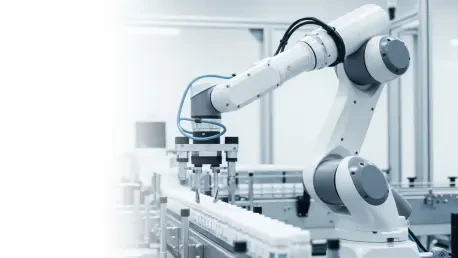
The collaboration between Yaskawa Southern Africa and Dale Automation serves as a benchmark for how specialized partnerships can revitalize aging production lines through targeted technological intervention. While many factories previously relied on semi-automated systems that required constant human monitoring, the current trend favors fully autonomous end-of-line solutions that manage everything from sorting to palletizing. This shift is driven by the decreasing cost of high-capacity robotic units, making the return on investment much more attractive compared to just a few years ago. In sectors like bread and pasta production, where volume is the primary driver of profitability, the introduction of robotic arms capable of handling 8,000 loaves per hour has virtually eliminated the bottlenecks that once plagued these facilities. These systems provide a level of reliability that human labor cannot sustain over twenty-four-hour cycles, ensuring that the supply chain remains uninterrupted even during peak demand periods.
The technical complexity of these installations requires a deep understanding of both mechanical engineering and software integration to ensure seamless operation. For instance, the transition from manual packing to robotic palletizing involves more than just installing a machine; it requires a complete redesign of how products are presented to the robot. Custom conveyor systems must be engineered to align items perfectly, while sophisticated sensors prevent collisions and manage product flow. By focusing on the synergy between the robotic hardware and the peripheral material-handling equipment, manufacturers are achieving a level of synchronization that was previously impossible. This holistic approach ensures that the robots operate at peak efficiency, minimizing energy consumption and reducing the physical footprint of the production line. As a result, even older facilities with limited floor space are finding ways to incorporate these high-speed systems, proving that modernization is attainable regardless of the age of the original infrastructure.
Technical Specifications for Industrial Precision
At the heart of this manufacturing revolution are the PL-series palletizing robots, which have become the industry standard for high-duty cycles and heavy-payload applications. Specifically, models such as the PL190, PL320, and PL500 are being deployed to handle a diverse range of materials with varying weights and dimensions. These robots are designed with an impressive reach and high-speed motion profiles, allowing them to service multiple palletizing stations simultaneously from a single fixed position. The precision of these units is particularly vital when dealing with fragile or high-temperature goods, where any deviation in placement could result in damaged inventory or a compromised pallet structure. By utilizing advanced kinematics and refined control algorithms, these machines maintain a smooth motion that reduces wear and tear on both the robot and the products being moved. This level of technical sophistication ensures that the manufacturing process remains stable and predictable, even when operating at maximum capacity.
The success of these robotic implementations often hinges on the development of specialized end effectors, which are the “hands” of the robot tailored to specific tasks. In collaboration with engineering specialists, manufacturers are developing custom grippers that utilize powerful magnets or high-vacuum suction to secure products ranging from heavy industrial components to delicate food packaging. Some of these end effectors are specifically engineered to withstand extreme conditions, such as picking up items directly from ovens at temperatures reaching 180°C. This capability removes human workers from hazardous environments and allows for a continuous flow of goods from the production stage to the shipping dock without cooling delays. By integrating these specialized tools, Southern African plants are achieving a degree of versatility that allows them to switch between different product lines with minimal downtime. This flexibility is essential in a market where consumer preferences change rapidly, necessitating a manufacturing base that can adapt to new packaging formats or product sizes on the fly.
Workforce Evolution and Long-Term Stability
Transitioning From Manual Labor to Mechatronics
The introduction of robotics into the Southern African manufacturing sector is frequently misunderstood as a simple replacement of people with machines, but the reality is a complex evolution of job roles. Instead of displacing workers, the deployment of Yaskawa robots has enabled a significant portion of the workforce to transition from repetitive, physically demanding manual tasks to more skilled positions. Employees who previously spent their shifts performing back-breaking labor are being upskilled through mechatronics training programs to become system operators and maintenance technicians. This transition not only improves the safety and well-being of the staff but also elevates the overall technical literacy within the factory. By learning to program and troubleshoot high-tech equipment, workers are gaining valuable skills that are in high demand across the global industrial landscape. This shift creates a more resilient workforce that is capable of managing the complexities of a modern, digitally integrated production environment.
Furthermore, this internal evolution of the workforce helps to address the chronic shortage of skilled technical labor that has historically hindered regional growth. When companies invest in robotic systems, they often pair the hardware installation with comprehensive training modules provided by the technology partners. This ensures that the facility has a localized team capable of performing routine maintenance and minor adjustments without relying on external consultants for every minor issue. The result is a more self-sufficient manufacturing operation where the human element provides the critical oversight and problem-solving capabilities that machines lack. By fostering a culture of continuous learning and technical mastery, manufacturers are building a more engaged and specialized team. This approach transforms the factory floor from a place of rote repetition into a center of technical excellence, where human ingenuity and robotic precision work in tandem to drive the industry forward into a more stable and prosperous era.
Operational Reliability and Market Resilience
The stabilization of production through automation has yielded immediate benefits for major industrial plants in hubs like Watloo and Aeroton, where 24/7 operations are now the standard. Before the adoption of these advanced robotic systems, production consistency was often compromised by fatigue-related errors and the inherent limitations of semi-automated machinery. Today, the use of high-performance robotics ensures that every unit is handled with the same level of care and precision, regardless of the time of day or the length of the shift. This reliability is particularly crucial for the pharmaceutical and food sectors, where strict quality control and hygiene standards are non-negotiable. By maintaining a constant and predictable output, regional manufacturers can better manage their inventory and meet the strict delivery schedules required by large retail chains. This operational stability forms the foundation of a more resilient manufacturing sector that can better withstand economic fluctuations and global supply chain disruptions.
Building on this foundation of reliability, the current strategy among leading firms involves mirroring the maintenance and support standards found in the high-stakes automotive industry. This means implementing predictive maintenance schedules and ensuring that spare parts and expert support are available locally to minimize any potential downtime. By adopting these rigorous standards, Southern African manufacturers are proving that they can operate at the same level of efficiency and quality as any global competitor. The synthesis of robotic precision and specialized material handling provides a scalable blueprint that other industries in the region are beginning to follow. As these technologies become even more integrated into the fabric of local production, the focus is shifting toward creating a future-proof manufacturing ecosystem. This ecosystem is characterized by its ability to adapt to new market demands while maintaining a high standard of production that secures the region’s place in the international trade landscape for years to come.
Future Strategies for Manufacturing Resilience
The path forward for Southern African manufacturing involves a commitment to deeper technological integration and the continuous refinement of automated processes. Decision-makers should prioritize the implementation of modular robotic systems that can be easily reconfigured as product lines evolve, ensuring that capital investments remain productive over the long term. This flexibility will be essential as consumer demands become more fragmented and specialized, requiring smaller, more frequent production runs that are difficult to manage with traditional fixed automation. To support this, firms must also establish robust partnerships with technology providers who can offer ongoing software updates and remote diagnostic capabilities. By leveraging the data generated by these robotic systems, managers can gain real-time insights into production bottlenecks and equipment health, allowing for a move toward truly proactive management styles.
In addition to technical upgrades, the industry must continue to invest in the human capital required to sustain these advanced environments. Collaborative training initiatives between the private sector and educational institutions can ensure a steady pipeline of technicians who are proficient in both mechanical engineering and digital control systems. This long-term view of workforce development was a key factor in the success of early adopters and will remain a cornerstone of regional competitiveness. As the manufacturing sector becomes increasingly defined by its technological prowess, the ability to rapidly integrate new innovations will determine which companies thrive. By maintaining a focus on precision, scalability, and skilled labor, Southern African manufacturers can build a resilient foundation that not only meets current demands but also provides the flexibility to capitalize on future market opportunities as they arise.