
The arrival of artificial intelligence in enterprise resource planning marks the end of the dreaded multi-year software deployment cycle that has long haunted the industrial sector. This shift toward low-friction cloud migration suggests a fundamental change in how corporations handle digital infrastructure. By automating manual auditing, organizations now bypass the labor-intensive data scrubbing that previously stalled innovation.
The Evolution: AI-Driven Deployment in Enterprise Planning
The Ascend with Epicor framework represents a departure from traditional consulting-heavy models. It leverages machine learning to bridge the gap between legacy on-premises architecture and modern cloud-native environments. This technology does not merely move data; it interprets the logic of old systems to ensure continuity in the new digital space.
Core Pillars: The Ascend with Epicor Framework
Automated Data Extraction and Environment Auditing
Automated extraction identifies buried dependencies within legacy databases, significantly reducing human error during the environment audit phase. This process allows for a cleaner transition by isolating useful data from obsolete files.
AI-Generated Migration: Implementation Mapping
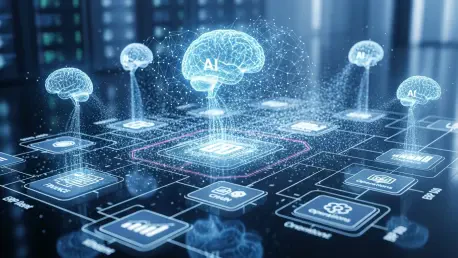
AI-generated mapping produces precise blueprints for the transition, allowing teams to visualize the go-live sequence. This technical foresight transforms implementation from a gamble into a structured engineering feat.
Emerging Trends: Rapid Cloud Transition
The industry is currently witnessing a push for 90-day deployment windows, a benchmark once thought impossible for complex projects. Rapid time-to-value has become the primary metric for success as businesses demand immediate returns on software investments.
Real-World Applications: Industry Use Cases
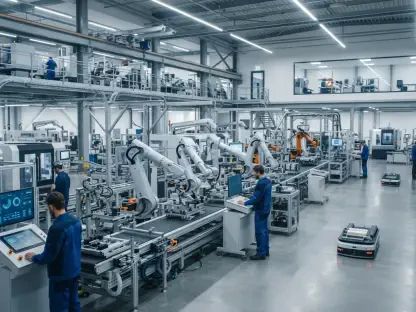
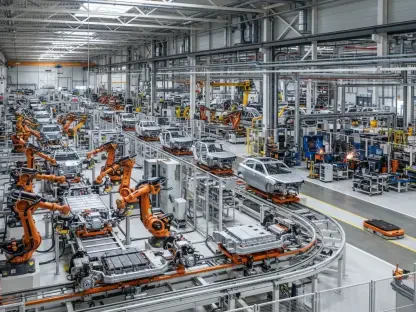
Manufacturing and distribution sectors have seen the most significant gains, especially during aggressive acquisition phases. Integrating new units into a unified cloud in just weeks demonstrates that AI can handle high-stakes technical debt with precision.
Technical Hurdles: Market Obstacles in AI Integration
However, the speed of these migrations introduces risks regarding data integrity and regulatory compliance. Ensuring that automated handlers maintain security standards remains a critical challenge for developers balancing velocity with operational rigor.
The Future: Autonomous ERP Ecosystems
The trajectory points toward fully autonomous ERP ecosystems that self-patch and optimize without intervention. Predictive analytics will likely evolve to manage supply chain disruptions automatically, making the system a proactive partner rather than a reactive database.
Final Assessment: AI-Powered ERP Delivery
The 40% reduction in timelines proved that AI-driven delivery was a tangible operational advantage. These advancements shifted the focus from technical survival to strategic growth. Organizations that adopted these standardized optimization tools gained the agility necessary to thrive in a volatile market.