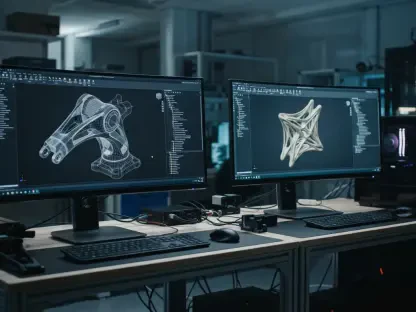

The modern theater of aerial warfare has shifted from human-centric dogfights to a sophisticated network of autonomous systems capable of executing complex maneuvers with speeds and precision that exceed biological limitations. As global tensions drive the demand for mass-producible yet highly advanced airframes, the defense industry has faced the grueling task of bridging the gap between experimental prototypes and field-ready machinery. Traditional aerospace manufacturing cycles often span decades, leaving a critical vulnerability in the ability of an air force to scale rapidly during periods of escalating regional instability. This systemic bottleneck became the primary focus for engineers aiming to disrupt the status quo by merging software-first development with hardware excellence. By prioritizing rapid iteration and software-defined capabilities, the strategic landscape is being reshaped to allow for a more resilient and adaptable force structure that does not rely solely on a limited number of high-cost manned platforms. The emergence of autonomous collaborative platforms marks a departure from expensive, legacy production models.
Accelerating Production: The Arsenal Concept in Ohio
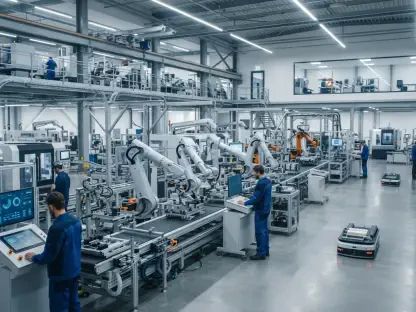
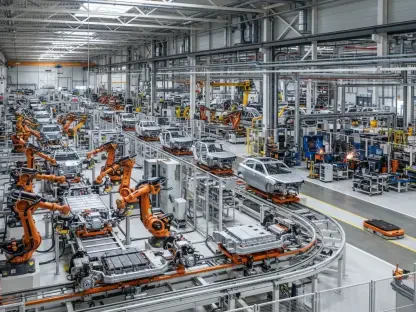
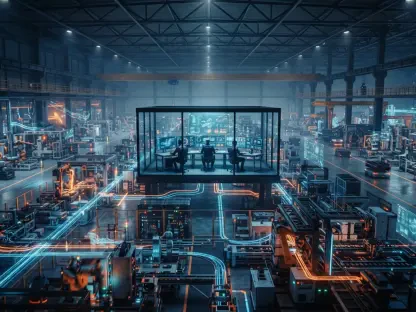
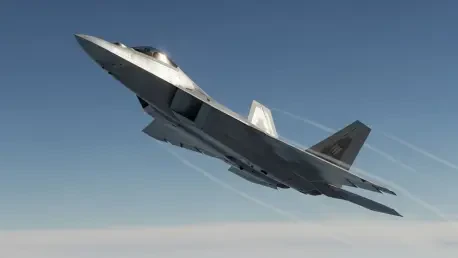
Central to this shift in defense strategy is the successful rollout of the initial Fury fighter from a newly established production hub in Ohio, which serves as a blueprint for high-volume manufacturing. This facility represents a departure from artisanal aerospace construction, instead utilizing an approach termed the Arsenal concept to streamline the assembly of autonomous combat aircraft. By integrating commercial-grade supply chains with military-grade specifications, the production line facilitates the rapid assembly of the Fury’s modular components. This fighter is designed as a high-performance, multi-mission platform that can function as a loyal wingman, providing additional sensor coverage and electronic warfare capabilities to manned jets. The Ohio site allows for the simultaneous integration of advanced Lattice software, ensuring that every unit rolling off the line is equipped with the latest autonomous decision-making logic. This vertical integration reduces the time from final assembly to operational readiness, enabling a faster response to shifting security needs. The scalability of this model ensures that production can expand to meet high-demand scenarios without the traditional delays of legacy aerospace plants.
Strategic Implementation: Scaling Autonomous Capabilities
Transitioning from experimental flight tests to a standardized production line required a fundamental reassessment of how modern air superiority was maintained. Military planners focused on the integration of these autonomous platforms into existing carrier wings and tactical squadrons to maximize force multiplication. The successful rollout in Ohio demonstrated that a software-defined approach could overcome the hardware bottlenecks that previously hindered rapid fleet expansion. Future strategies prioritized the development of interoperable data links, ensuring that the Fury could communicate seamlessly across different branches of service. Decision-makers recognized the importance of diversifying manufacturing locations to enhance supply chain resilience against potential disruptions. By establishing a template for high-speed production, the defense sector moved toward a model where hardware became secondary to the evolving intelligence of the onboard systems. This shift ensured that the next generation of air combat was defined by flexibility and mass, providing a sustainable path for maintaining a competitive advantage in an increasingly contested global environment.