
The global design industry currently faces a critical juncture where the demand for rapid production often compromises the ecological integrity of the planet. While synthetic materials and mass-produced plastics have dominated the market for decades, a shift toward regenerative resources is becoming essential for long-term environmental survival. In the Philippines, the intersection of ancient craftsmanship and indigenous botanical knowledge provides a blueprint for what modern sustainability should look like. This is not merely about using wood; it is about utilizing rapidly renewable fibers like rattan, bamboo, and abaca, which have been part of the Filipino vernacular for centuries. By integrating these time-honored materials with contemporary aesthetics, designers are proving that heritage is not a relic of the past but a functional tool for a greener future. This movement goes beyond aesthetics, challenging the disposable culture of modern interiors by offering pieces that are built to last and designed to decompose naturally at the end of their long lifecycle.
Integrating Rapidly Renewable Fibers into Modern Design
High-tech manufacturing often relies on heavy energy consumption, yet the Filipino approach emphasizes low-impact harvesting of wild-grown materials. Bamboo, often referred to as the green steel of the 21st century, grows at an incredible rate and requires no pesticides or fertilizers, making it an ideal candidate for large-scale furniture production. Filipino artisans have mastered the art of bending and curing these stalks through techniques that preserve natural tensile strength without the need for toxic chemical reinforcements. Similarly, rattan vines, which are endemic to the tropical rainforests of the archipelago, provide a flexible and durable alternative to petroleum-based resins. When these materials are harvested responsibly, they encourage the preservation of the surrounding forest ecosystems, as the plants depend on established trees for support. This symbiotic relationship between the industry and the environment ensures that the extraction process contributes to forest health rather than its destruction.
Beyond the initial growth phase, the true strength of Filipino heritage furniture lies in its inherent biodegradability and the massive reduction of landfill waste. Unlike medium-density fiberboard or plastic-coated veneers that leach chemicals into the soil, furniture crafted from abaca and seagrass eventually returns to the earth as organic matter. Modern Filipino designers are now refining these traditional weaves to meet global durability standards, ensuring that a hand-woven lounge chair can survive decades of use before naturally breaking down. This circular lifecycle is supported by natural dyes derived from indigo, mahogany bark, and turmeric, which replace synthetic pigments and heavy metal finishes. By prioritizing these organic inputs, the industry demonstrates how high-end design can achieve a zero-waste profile. The result is a collection of furniture that serves as a carbon sink during its functional life and a nutrient source after its retirement, effectively redefining the concept of a product’s end of life.
Advancing Artisanal Legacies through Technological Adaptation
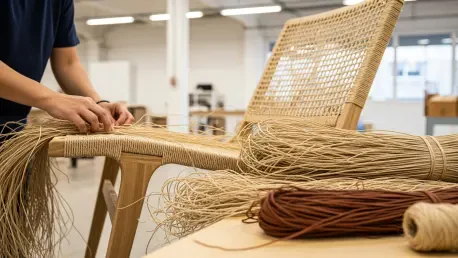
The intricate patterns of Solihiya weaving represent a pinnacle of manual precision that machines have struggled to replicate with the same soul and structural integrity. This traditional sunburst pattern, once common in ancestral homes, is now being repurposed for ergonomic office seating and architectural accents in luxury developments. The process of weaving by hand requires significant human labor but negligible electrical power, resulting in a carbon footprint that is exponentially lower than that of injection-molded plastic furniture. Modern designers in Cebu are currently pairing these ancient weaving methods with 3D-modeled frames, creating a hybrid that honors the craftsman’s touch while meeting modern structural requirements. As the industry scales these efforts from 2026 to 2028, this blend of heritage and technology ensures that the specialized skills of the weaver remain relevant in a globalized market. It also fosters a decentralized production model where small rural workshops contribute to international supply chains.
The transition toward Filipino-inspired furniture models provided a clear roadmap for achieving global sustainability targets within the design sector. It was demonstrated that the reliance on indigenous materials significantly reduced the carbon intensity of luxury interiors without sacrificing the visual appeal or the functional longevity of the pieces. Designers and architects who adopted these heritage-driven practices found that they could meet the growing consumer demand for transparency and ethical production. Moving forward, the industry must prioritize the establishment of certified sustainable harvesting zones to protect these natural resources from over-exploitation. Investment in vocational training programs will also be essential to ensure that the intricate skills of master weavers are documented and taught to the next cohort of designers. Standardizing the use of natural finishes and bio-adhesives across all production lines will further solidify the environmental benefits of these traditional crafts while fostering long-term ecological balance.