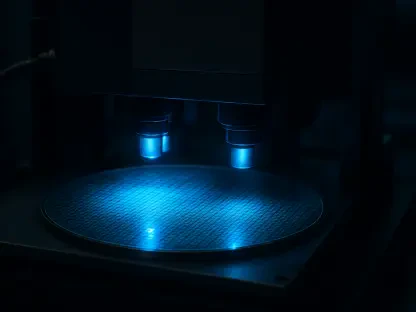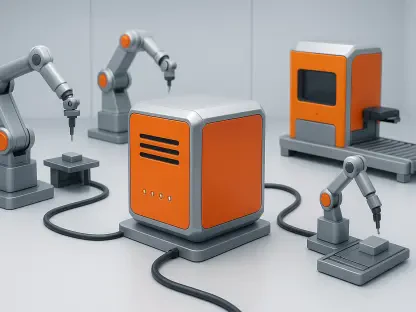

The transition from traditional subtractive manufacturing to sophisticated additive processes has redefined how engineers perceive the physical limitations of material science across global supply chains. As digital designs are converted into physical components through the precise layering of liquid photopolymers, thermoplastic filaments, and atomized metal powders, the industrial landscape is witnessing a fundamental shift in production capability. This sector serves as the essential backbone of additive manufacturing, enabling the creation of everything from basic consumer goods to high-performance aerospace components. In recent years, the market has expanded significantly, moving away from its origins as a prototyping curiosity toward a robust industrial solution. From a global valuation of approximately $3.6 billion in 2024, the sector is currently on a path toward an estimated $41.1 billion by 2035. This trajectory is fueled by a consistent annual growth rate exceeding 25 percent, highlighting the increasing reliability of these materials for mass-producing functional, end-use parts across every major industrial sector.
The Forces Driving Industrial Evolution
Efficiency and Precision: Advanced Material Applications
In the aerospace and automotive sectors, the primary objective is to achieve significant weight reduction without compromising the structural integrity or safety of the vehicle. Advanced metal powders, such as specialized titanium and aluminum alloys, are now being utilized to create lattice structures that were previously impossible to manufacture using traditional casting or machining techniques. These intricate geometries provide the same strength as solid parts but at a fraction of the weight, leading to massive improvements in fuel efficiency and performance. Furthermore, high-performance polymers like PEEK and PEI are replacing heavy metal brackets and housings, allowing manufacturers to meet stringent emission standards while maintaining high thermal and chemical resistance.
Beyond weight savings, the use of these advanced feedstocks has radically shortened the development cycles for new industrial platforms. Engineers can now iterate on complex designs in a matter of days rather than months, as the direct transition from CAD files to physical parts eliminates the need for expensive and time-consuming tooling. This rapid testing environment enables the optimization of fluid dynamics in engine components or the enhancement of cooling systems in electric vehicle batteries. As these materials become more accessible, the barriers to entry for specialized manufacturing are lowering, permitting a broader range of companies to experiment with high-end metallurgical and polymer science.
Transforming Human Health: Biocompatible Feedstocks
The medical and dental industries have become some of the most enthusiastic adopters of 3D printing materials due to the inherent need for patient-specific solutions. By utilizing medical-grade resins and biocompatible metals like Cobalt-Chrome or Grade 23 Titanium, surgeons can now order custom implants that are tailored to the exact bone structure of an individual patient. This level of personalization ensures better surgical outcomes, faster recovery times, and a reduced risk of implant rejection or secondary complications. The ability to print these materials with high precision means that porous surfaces can be integrated directly into the design, encouraging natural bone ingrowth and long-term stability.
In the dental field, the shift toward liquid photopolymers has revolutionized the production of aligners, crowns, and surgical guides. These materials are formulated to be safe for long-term intraoral use while providing the necessary clarity and durability required for orthodontic treatments. Digital workflows now allow dental professionals to scan a patient’s mouth and print a highly accurate model or prosthetic in a single day, drastically improving the patient experience. This transition toward customized healthcare is creating a sustained demand for a new generation of specialized materials that meet rigorous regulatory standards for safety and biocompatibility across international markets.
Diversity and Technology in Modern Feedstocks
Spectrum of Formats: Innovative Material Compositions
Modern manufacturing is rapidly moving beyond basic plastics to incorporate exotic and composite materials that offer extraordinary physical properties. The integration of graphene, carbon fiber, and boron nitride into 3D printing filaments and resins has enabled the creation of parts with superior electrical conductivity, extreme tensile strength, and enhanced thermal management. These composite materials allow for the production of lightweight sensors and durable industrial tools that can withstand harsh environments. Additionally, the construction industry is now deploying specialized concrete and mortar mixtures that can be extruded through large-scale robotic arms to build housing structures and infrastructure with minimal waste.
The diversification of feedstock formats is also expanding the range of industries that can benefit from additive manufacturing. For instance, the development of conductive inks and dielectric materials is paving the way for 3D-printed electronics, where circuitry can be embedded directly into a structural component during the printing process. This capability reduces the overall footprint of electronic devices and simplifies the assembly process by eliminating the need for traditional printed circuit boards. As researchers continue to explore the possibilities of multi-material printing, where different substances are deposited simultaneously, the potential for creating smart components with integrated functionality becomes a tangible industrial reality.
Hardware and Raw Materials: The Technical Synergy
The advancement of 3D printing hardware is inextricably linked to the evolution of the materials they process. High-speed printers using technologies like Multi Jet Fusion or Stereolithography require specialized fast-curing resins and fine-grained powders that can be layered with microscopic accuracy at high velocities. Without these specific material properties, the hardware would be unable to achieve the throughput required for industrial-scale manufacturing. Manufacturers are currently focusing on developing machines with enclosed thermal chambers and high-powered lasers specifically designed to handle high-temperature filaments and refractory metals that were previously considered too difficult to print.
This interdependence ensures that every breakthrough in chemical or metallurgical science triggers a corresponding wave of innovation in printer design. For example, the rise of liquid metal printing has necessitated the development of new deposition heads capable of maintaining precise temperature control to prevent clogging or oxidation. Similarly, the demand for large-format printing in the marine and energy sectors has led to the creation of hybrid machines that combine additive deposition with CNC milling to ensure a high-quality surface finish. This synergistic relationship between the raw materials and the machines that process them is the primary driver of the increased efficiency and reliability seen in modern production lines.
Navigating Competitive Landscapes and Global Barriers
Strategic Alliances: The Sustainability Mandate
Key players in the 3D printing materials market are increasingly aligning their business models with global sustainability goals and environmental regulations. There is a concerted effort to develop bio-based polymers derived from renewable sources, such as lignin or algae, to replace petroleum-based resins. Furthermore, the industry is establishing closed-loop recycling programs for metal powders and thermoplastic scraps, ensuring that waste is minimized throughout the production lifecycle. These green initiatives are not only environmentally responsible but also financially beneficial, as they reduce the reliance on volatile raw material markets and appeal to eco-conscious consumers and corporate partners.
To solidify their market positions, material science companies are forming strategic alliances with major players in the aerospace, defense, and healthcare sectors. These partnerships often involve the creation of “pre-qualified” materials that have already undergone extensive testing and certification for specific industrial applications. By collaborating early in the design phase, material suppliers can ensure that their products meet the exact performance requirements of the end-users. This cooperative approach helps to establish industry-wide standards for quality and safety, providing a clear roadmap for the adoption of additive manufacturing in mission-critical environments where failure is not an option.
Economic and Technical Hurdles: Managing the Transition
Despite the optimistic growth projections, the industry must still navigate significant economic and technical challenges that hinder wider adoption. One of the primary barriers is the high cost of specialized feedstocks, particularly atomized metal powders and high-performance engineering resins, which can be several times more expensive than their traditional counterparts. Furthermore, the phenomenon of anisotropy—where the mechanical properties of a part differ based on the orientation of the print layers—remains a concern for structural engineers. Ensuring consistent quality across different machines and batches of material is essential for maintaining the trust of industrial manufacturers.
Beyond the physical challenges, the digital nature of the 3D printing workflow introduces new risks related to intellectual property and cybersecurity. As digital design files are shared across global networks, the potential for unauthorized reproduction or the theft of proprietary material formulations becomes a significant concern. Companies are forced to invest in advanced encryption and blockchain-based tracking systems to protect their designs and ensure the integrity of the supply chain. Addressing these technical and economic hurdles requires a coordinated effort between material scientists, hardware manufacturers, and software developers to create a more transparent and cost-effective manufacturing ecosystem.
Regional Dynamics and Future Ecosystems
Regional Shifts: Localized Manufacturing Power
North America currently maintains a leading position in the 3D printing materials market, largely due to its concentrated investment in research and development and its strong presence in the healthcare and aerospace industries. Many of the most advanced material formulations and medical certifications originate from this region, supported by a robust network of universities and private research labs. However, the Asia-Pacific region is rapidly closing the gap, driven by massive industrialization and government-led initiatives aimed at modernizing domestic manufacturing capabilities. Countries in this region are heavily investing in large-scale production facilities for metal powders and filaments to support their growing electronics and automotive sectors.
These regional dynamics are shifting the focus toward localized production hubs that can respond quickly to regional demand. By establishing material supply chains closer to the end-use market, companies can reduce transportation costs and mitigate the risks associated with global trade disruptions. This decentralized approach allows for greater flexibility, as local manufacturers can customize their material usage based on the specific needs of their regional customers. As the infrastructure for additive manufacturing matures, the global landscape will likely transform into a network of interconnected hubs, each specializing in the materials and technologies most relevant to their local industrial strengths.
Industry 4.0: Integrating Materials into the Ecosystem
The industrial landscape observed that the maturity of 3D printing materials required a more holistic approach to quality control and supply chain management. Stakeholders realized that the transition to distributed manufacturing was only possible if digital files could be paired with standardized local feedstocks to ensure part consistency across different geographies. To move forward, companies should focus on the standardization of material data sheets and the implementation of real-time monitoring systems that can detect material defects during the printing process. By integrating these physical feedstocks into the broader “Industry 4.0” framework, manufacturers were able to eliminate the need for massive physical inventories and long-distance shipping.
Moving into the next decade, the focus should shift toward the development of autonomous material handling systems and advanced AI-driven material discovery. These technologies will allow for the rapid identification of new alloys and polymers that are optimized for specific environmental conditions or mechanical loads. Organizations should prioritize cross-sector training to ensure that their workforce can manage the complex relationship between material science and digital manufacturing. By fostering a culture of innovation and collaboration, the global industry was able to turn the promise of 3D printing into a resilient and sustainable reality that redefined the boundaries of what is possible in modern production.