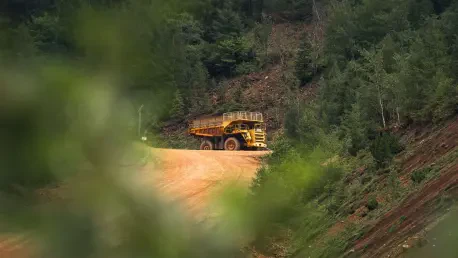

The vast, sun-scorched expanse of the Nevada Gold Mines complex recently became the site of a profound industrial transformation when the 1,000th autonomous haul truck hummed into active service. This milestone machine, a 930E-5AT ultra-class vehicle, represents more than just a production achievement; it marks the definitive arrival of the automated era in heavy industry. For decades, the concept of a self-driving fleet was viewed as an ambitious pilot project, yet this deployment signals that driverless technology has transitioned from a niche experiment into the global baseline for mineral extraction. By reaching a four-figure fleet size, the manufacturer has demonstrated that the scalability of autonomous systems is no longer a theoretical question but a proven reality for large-scale operations. This transition indicates that the industry is moving away from traditional equipment toward a digitized environment where efficiency is measured by software uptime and algorithmic precision.
Engineering: The Intelligence of the Ultra-Class Fleet
The 930E-5AT stands as a marvel of modern engineering, boasting an electric-drive system that allows it to manage a staggering 320-ton payload capacity with surgical accuracy. To conceptualize this scale, consider that a single load from this machine carries the equivalent weight of approximately 200 full-size pickup trucks. The decision to utilize electric-drive technology for these massive vehicles was intentional, as it provides the high torque necessary for navigating the steep inclines of open-pit mines while ensuring the mechanical responsiveness required for automated steering. These trucks are not merely mechanical behemoths; they are mobile data centers that utilize every sensor reading to optimize fuel consumption and minimize mechanical wear. As these machines traverse the pit, they maintain a level of consistency that human operators cannot match, ensuring that the rhythm of production remains steady through shifts and varying weather conditions without the variability of fatigue.
Guiding these giants is the FrontRunner system, a sophisticated software ecosystem that integrates high-precision GPS with advanced lidar and radar sensors to create a safe operating perimeter. Rather than relying on human intuition, each truck navigates according to a dynamic digital map of the mine site, constantly communicating its position to a central server and other nearby vehicles. If the onboard sensors detect an unexpected obstruction, such as a fallen boulder or a stray light vehicle, the truck instantly modifies its speed or initiates an emergency stop. While the cabs of these vehicles are frequently empty, they are far from unmanaged; supervisors in remote operations centers monitor the entire fleet from high-definition displays. These remote teams can reroute trucks in real-time, troubleshoot technical glitches, and ensure that the fleet operates at peak performance without ever setting foot in the hazardous environment of the pit floor, effectively decoupling labor from risk.
Sustainability: Electrification and Global Market Shifts
One of the most significant advancements accompanying this milestone is the seamless integration of autonomous navigation with dynamic trolley power systems. This innovation enables electric-drive trucks to connect to overhead power lines while ascending steep haul roads, allowing them to draw energy directly from the grid rather than burning diesel fuel. Since the climb out of a deep pit is the most energy-intensive portion of the mining cycle, utilizing trolley power drastically reduces the carbon footprint of the operation. Currently, these machines are among the few production-ready solutions in the world that can simultaneously operate without a driver while connected to a trolley line. This synergy of autonomy and electrification creates a dual benefit of increased productivity and lower emissions, positioning the mining sector to meet tightening environmental regulations without sacrificing the massive scale required for modern mineral demand.
As the industry moved forward into this new era, the deployment of the 1,000th autonomous truck established a clear precedent for how the extraction of essential minerals was managed on a global scale. This achievement moved the focus from simple mechanical reliability to the broader integration of artificial intelligence and sustainable energy within the mining value chain. Leaders in the sector recognized that the next steps involved further refining these systems to operate in even more extreme climates and deeper underground environments. The lessons learned from the first thousand units provided the blueprint for a safer, more efficient, and environmentally conscious approach to heavy industry. Ultimately, the successful operation of these fleets proved that the most effective way to meet the world’s growing demand for resources was through the adoption of intelligent, electrified, and interconnected technologies that redefined the boundary between human oversight and machine execution.