
The competitive landscape of the Indian automotive industry has transformed into a high-stakes arena where long-standing market hierarchies are being dismantled by a new wave of localized innovation and manufacturing might. For decades, the presence of global giants was defined by a steady, predictable growth, yet the current shift toward domestic powerhouses has necessitated a radical strategic pivot. Hyundai Motor India, a company that once enjoyed a comfortable and unchallenged second-place ranking, now finds itself in a pivotal moment of transition. The response is a multi-billion-dollar manufacturing offensive that aims to redefine the brand’s footprint across the subcontinent.
This massive undertaking is not merely a reaction to losing ground but a forward-looking investment in the world’s most dynamic car market. By expanding production capabilities and integrating advanced technology into its local ecosystem, the South Korean automaker is setting the stage for a period of unprecedented growth from 2026 to 2030. The importance of this story lies in how a global leader adapts to local pressures, ensuring that its supply chains, product portfolios, and industrial strategies remain resilient in a region that has become the ultimate litmus test for automotive excellence.
The Race to a Million: Hyundai’s Bold Pivot in the Indian Automotive Sector
For more than twenty years, Hyundai served as the formidable runner-up in the Indian market, maintaining a grip on the silver medal that seemed almost permanent. However, the rapid ascent of domestic giants like Tata Motors and Mahindra & Mahindra has recently disrupted this traditional hierarchy, pushing the South Korean automaker into a challenging fourth-place scramble. This shift in the retail landscape highlights a crucial turning point where brand loyalty is increasingly driven by a manufacturer’s ability to innovate quickly and localize effectively. Rather than retreating in the face of this competition, the company is doubling down on a massive manufacturing offensive centered in the industrial heart of Pune.
This strategic pivot is characterized by a “Race to a Million” mentality, aiming to break through previous production ceilings to meet the insatiable domestic demand for high-quality vehicles. The expansion in Maharashtra is designed to provide the necessary volume to challenge the current leaders and reclaim the coveted second-place position by the end of the 2028-29 fiscal period. By transforming its industrial footprint, the organization is signaling that the battle for the Indian driveway is far from over. This move represents a bold gamble on the long-term potential of the region, ensuring that the brand remains a dominant force rather than a legacy player.
Why India Remains the Ultimate Litmus Test for Global Automakers
India has evolved to become more than just a high-growth market; it is now Hyundai’s second-largest volume driver on a global scale, trailing only the United States. Success in this territory is no longer optional for international players who wish to maintain global relevance. CEO Jose Munoz has frequently identified the Indian car buyer as the most discerning and demanding in the world, prioritizing a complex mix of value, technology, and status. Consequently, any product or strategy that survives and thrives in this environment is essentially vetted for excellence everywhere else, making the country a critical testing ground for global innovation.
The rise of localized powerhouses has forced a significant shift in power, moving the industry away from imported concepts toward deeply integrated national supply chains. International brands can no longer rely on global prestige alone; they must now compete with the aggressive pricing and rapid product cycles of homegrown manufacturers. To counter this, Hyundai has committed to a $15.5 billion investment in the “Make in India” ecosystem over the next seven years. This financial dedication serves to integrate the company further into the nation’s industrial fabric, shielding it from global supply chain volatility while catering to the specific needs of a highly knowledgeable consumer base.
The Talegaon Blueprint: Transforming Production Capacity and Technology
The Talegaon facility in Pune is the crown jewel of this expansion strategy, serving as a blueprint for the future of smart manufacturing in the region. Initially possessing a capacity of 170,000 units, the plant is currently undergoing a phased transformation intended to push its annual output to 320,000 vehicles. This increase is essential for creating the manufacturing headroom required to support a resurgent market share. When combined with the existing high-volume operations at the Chennai plant, the company’s total Indian manufacturing footprint will surpass 1.1 million units annually by 2030, a milestone that signifies a new era of industrial scale.
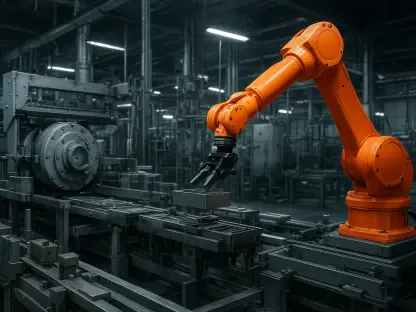
Beyond simple volume, the Talegaon site is being positioned as a specialized hub for the transition toward hybrid powertrains. As the market moves away from traditional internal combustion engines but faces infrastructure hurdles for full electrification, these hybrid models will bridge the gap for millions of buyers. The facility utilizes high-level robotics and advanced automation to ensure that every vehicle meets rigorous global quality standards while maintaining the high-speed output necessary for a competitive market. This technological leap ensures that the Pune powerhouse remains at the forefront of automotive engineering, producing vehicles that are as sophisticated as they are durable.
Expert Insights into Market Dynamics and Economic Impact
Addressing the production bottleneck has become a primary objective for the company’s leadership, with Managing Director Tarun Garg highlighting the expansion as the essential “fillip” needed to satisfy domestic hunger for the brand. The infrastructure growth in Pune and Chennai is expected to significantly reduce waiting periods and allow for a more agile response to emerging consumer trends. Moreover, a critical component of this strategy is the localization mandate, which aims to increase the sourcing of local parts from 83% to 92%. This move not only lowers costs but also reinforces the brand’s immunity to the fluctuating costs of international logistics and trade barriers.
The economic ripple effects of this expansion are substantial, particularly within the state of Maharashtra, where an ₹11,000 crore investment is currently being deployed. This capital influx has already catalyzed the creation of approximately 18,000 jobs through a sophisticated network of 55 dedicated supplier partners. These partners have invested billions into the local ecosystem, fostering a specialized workforce and supporting the growth of Tier-II industrial hubs. Jose Munoz maintains that this focus on quality and local integration is the only sustainable path forward, asserting that market share is ultimately a byproduct of manufacturing excellence and community impact rather than a target in isolation.
Roadmap to 2029: Strategies for Market Reclamation
The journey toward 2029 is defined by a 26-model offensive designed to refresh the entire product portfolio and capture niche segments that were previously underserved. By leveraging the immense success of the Creta and Exter as templates, the company plans to introduce localized variations that resonate with both urban and rural demographics. This strategy involves a diversified powertrain approach, balancing the roll-out of Battery Electric Vehicles with accessible hybrids to accommodate the current state of the nation’s charging infrastructure. This flexibility ensures that the brand can appeal to early tech adopters and traditional long-distance drivers simultaneously.
The executive team finalized the expansion of Tier-II supplier networks to insulate the production line from the volatility of global markets. They directed significant resources toward the development of hybrid technology that addressed the specific fuel-efficiency demands of the domestic consumer. These leaders prioritized the integration of smart manufacturing processes at the Talegaon site to ensure a seamless transition into high-volume output. By focusing on these actionable infrastructure goals, the organization established a resilient framework for reclaiming its historical market position. This strategic commitment provided a clear path for the brand to navigate the evolving competitive landscape throughout the remainder of the decade.