
The introduction of responsible AI features emphasizes that technology should assist rather than replace the critical decision-making processes of human operators. In the competitive manufacturing landscape of 2026, where precision and traceability are no longer optional, Wherefour has unveiled a sophisticated suite of artificial intelligence tools integrated directly into its enterprise resource planning ecosystem. This update is designed to empower batch and process manufacturers, such as those in the food, beverage, and cannabis sectors, by automating the tedious administrative burdens that often lead to operational bottlenecks. By leveraging advanced machine learning algorithms, the platform provides users with a more intuitive way to interact with complex data sets, moving beyond the static spreadsheets of the past. The goal is to provide a seamless experience where data flows effortlessly from the production floor to the executive suite, allowing for real-time adjustments in response to supply chain shifts or consumer demand. As the industry moves toward a more digitized future, these tools serve as a bridge, ensuring that safety and quality remain at the forefront of every production cycle without compromising on speed or efficiency.
Bridging Data Silos: Use of the Model Context Protocol
At the heart of this technological advancement is the Model Context Protocol, often referred to as the MCP Connector, which serves as a secure gateway for large language models to interact with proprietary operational data. This feature allows companies to utilize powerful AI agents like Claude or ChatGPT to perform deep-dive analyses of their inventory, production schedules, and sales performance without the risk of sensitive information being used to train public models. The connection is strictly read-only, which preserves the absolute integrity of the manufacturer’s primary records while allowing for complex, natural language inquiries that were previously impossible for non-technical staff. For example, a production supervisor can now simply ask the system to calculate the optimal production run for a specific product based on current ingredient availability and historical yield patterns. This democratization of data access transforms the ERP from a repository of historical facts into a proactive advisor that can highlight potential inefficiencies before they impact the bottom line, effectively shortening the gap between data collection and strategic execution.
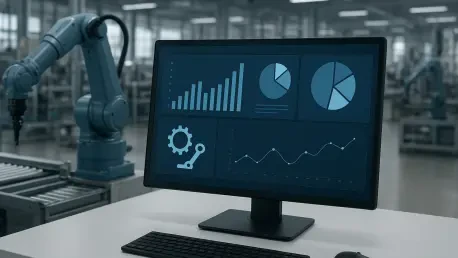
Building on this connectivity, the platform enables the rapid creation of customized dashboards and visual reports that cater to the specific needs of different departments within a manufacturing facility. Rather than waiting for a dedicated analyst to build a report, department heads can use natural language prompts to generate visualizations of key performance indicators, such as equipment uptime, waste percentages, or supplier reliability scores. This flexibility is vital for businesses operating in fast-moving consumer goods sectors where market conditions can change within hours. By providing a clear, visual representation of operational health, the AI tools help teams identify trends from 2026 to 2028 that might otherwise be buried in thousands of lines of transactional data. The ability to visualize the correlation between specific ingredient lots and final product quality allows for a more granular level of process improvement. This narrative approach to data analysis helps stakeholders at all levels understand the reasoning behind the numbers, fostering a culture of continuous improvement and data-driven decision-making throughout the entire organization.
Streamlining Compliance: Automation of Quality Assurance
Quality assurance and regulatory compliance are often the most labor-intensive aspects of process manufacturing, yet the new AI capabilities aim to significantly reduce the manual overhead associated with these tasks. The software now includes advanced auto-tagging features for essential documents like Certificates of Analysis and incoming supplier invoices. When these documents are uploaded to the system, the AI automatically scans the text to extract and suggest critical metadata, such as lot numbers, expiration dates, and physical properties, for inclusion in the digital record. This automation effectively eliminates the high risk of transcription errors that can lead to disastrous consequences during a product recall or regulatory audit. By handling the repetitive, detail-oriented work of document indexing, the system frees up quality control specialists to perform more critical sensory tests and safety validations. This shift ensures that the human element of manufacturing is focused on high-value oversight, while the machine handles the heavy lifting of data organization and retrieval, thereby creating a more robust and reliable traceability chain.
The integration of intelligent drafting tools for Control Points and Test Definitions provided a clear path for manufacturers to modernize their safety protocols without the burden of starting from scratch. By analyzing historical data and industry-standard requirements, the AI suggested robust testing frameworks that operators then reviewed and refined to meet their specific needs. This collaborative process ensured that all quality safeguards were grounded in empirical evidence while still benefiting from the nuanced judgment of experienced floor managers. Organizations that embraced these tools discovered that they could implement new product lines with much greater agility, as the time required for administrative setup was cut by more than half. The transition to an AI-augmented ERP system highlighted the necessity of maintaining high-quality data inputs, as the effectiveness of the automated insights was fundamentally tied to the accuracy of the underlying production records. Ultimately, the successful adoption of these features depended on a proactive approach to staff training and a willingness to integrate technology into the daily workflow. These advancements set a new standard for the industry, proving that digital transformation was most effective when it empowered human workers to focus on innovation and quality.