
Scandium serves as a potent alloying element that can eliminate the long, pillar-like grain structures that typically weaken printed aluminum parts. The aerospace and maritime industries are perpetually navigating the complex trade-offs between manufacturing speed, component weight, and mechanical reliability. Traditionally, aluminum-magnesium alloys have occupied a dominant position in these sectors, prized for their exceptional weldability and resistance to harsh, corrosive environments. However, the modern shift toward additive manufacturing has revealed significant metallurgical shortcomings in these established materials. When subjected to the localized, high-intensity heat sources typical of 3D printing, traditional alloys frequently develop internal defects that compromise their safety in critical flight applications. The research conducted by experts at Harbin Engineering University identifies a transformative path forward, utilizing the rare earth element scandium to fundamentally reshape how these alloys behave during the transition from a molten wire to a solidified industrial component.
Technical Challenges of Industrial 3D Printing
To understand why this chemical intervention is so critical, one must examine the specific operational advantages and mechanical hurdles of modern large-scale metal deposition. Wire Arc Additive Manufacturing has emerged as a preferred technology for producing expansive structural elements because it circumvents the size limitations of traditional powder-bed systems. However, the reliance on an electric arc to melt aluminum wire introduces an immense amount of thermal energy into the workpiece. This energy flux creates a chaotic environment for the metal as it cools, often resulting in a microscopic architecture that is far less durable than its forged counterparts. Engineers have spent years attempting to balance the high deposition rates of the process with the need for uniform mechanical properties. The Harbin study suggests that the solution is not found in the speed of the robot arm, but in the specific chemical composition of the wire itself, allowing for a more controlled and predictable solidification process.
Overcoming Flaws in Large-Scale Metal Deposition
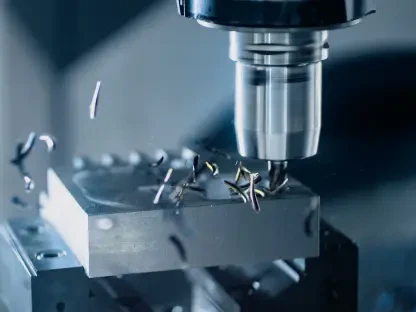
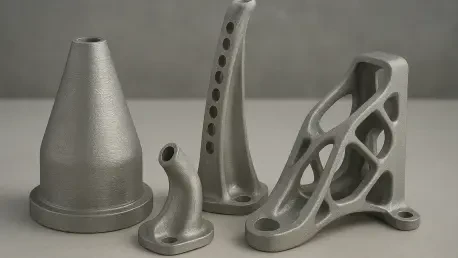
Wire Arc Additive Manufacturing represents a significant departure from the delicate laser-based systems that define the high-end jewelry and medical device industries. By utilizing a robotic arm equipped with a standard welding torch, manufacturers can deposit metal at rates that make the production of hull sections for seafaring vessels or primary frames for aircraft commercially viable. This method is highly favored for its ability to produce meter-scale components at a fraction of the cost associated with subtractive machining or complex forging dies. However, the metallurgy of the process is notoriously difficult to regulate because the intense heat of the welding arc creates a localized melt pool that cools at varying rates. This inconsistency often leaves behind a trail of metallurgical defects that can compromise the safety of the component. The primary challenge for the industry has been to find a way to maintain the speed of deposition without sacrificing the structural homogeneity required for high-stress aerospace applications.
Managing Thermal Cycling and Structural Anisotropy
The repeated heating and cooling cycles inherent to the layering process create a brutal environment for aluminum alloys, leading to a condition known as anisotropy. As each new layer of molten metal is deposited, the thermal energy from the arc partially remelts the previously solidified layers beneath it, effectively restarting the crystallization process in a way that encourages the growth of vertical, pillar-like grains. These elongated structures are inherently problematic because they create distinct planes of weakness where cracks can easily propagate when the part is under mechanical load. In high-performance aerospace applications, such structural inconsistency is unacceptable, as every component must perform reliably regardless of the direction of stress. The Harbin study successfully utilized scandium to disrupt this natural growth pattern, forcing the aluminum matrix to adopt a more isotropic, fine-grained architecture. This intervention ensures that the final printed part maintains high structural integrity throughout its entire geometry.
Scientific Findings and Strengthening Mechanisms
The research team at Harbin Engineering University sought to quantify how specific concentrations of scandium could stabilize the aluminum-magnesium matrix during the intense thermal fluctuations of the printing process. By testing a range of four distinct alloys with scandium concentrations between 0.16% and 0.50% by weight, the researchers were able to establish a clear correlation between chemical composition and mechanical performance. The study analyzed these materials both in their as-deposited state and after a specialized post-processing heat treatment, providing a comprehensive look at how the metal evolves from the initial print to the final industrial product. This systematic approach allowed the scientists to determine the precise point at which the addition of rare elements ceases to be a luxury and becomes a technical necessity for high-load applications. Their findings highlight the transformative potential of using micro-alloying to overcome the traditional limitations of 3D-printed metals.
Optimizing Scandium Levels for Peak Performance
Experimental results indicated a direct, linear improvement in tensile strength as the scandium content increased, but the most dramatic breakthroughs occurred following a standard aging treatment. While the 0.50% scandium alloy showed promise immediately after printing, subjecting the component to a two-hour thermal cycle at 350 degrees Celsius allowed it to reach an ultimate tensile strength of 406 megapascals. This represents a nearly 19% increase from its original state, a level of strength that rivals many high-end wrought aluminum products used in conventional aerospace manufacturing. Even at lower concentrations, the alloy exhibited significant gains, suggesting that scandium behaves as a powerful catalyst for structural reinforcement even in trace amounts. This discovery is particularly vital for industrial manufacturing because it proves that high-performance properties can be achieved through a simple, low-cost heat treatment without the need for complex quenching or multi-stage processing that often complicates production.
Microscopic Power of Grain Refinement and Precipitation Strengthening
The physical strengthening observed in these advanced alloys is driven by two primary microscopic mechanisms: grain refinement and precipitation hardening. During the initial cooling of the melt pool, scandium atoms react with the aluminum matrix to form Al3(Sc,Zr) particles that function as millions of tiny nucleation sites. These sites effectively seed the molten metal, forcing it to solidify into a dense network of small, sturdy grains rather than the large, weak columns typical of standard prints. This refined grain structure provides the first line of defense against microscopic cracking and structural instability. During the subsequent aging process, even smaller nanoscale precipitates emerge from the solid solution, acting as physical barriers that pin dislocations within the atomic lattice. By preventing these dislocations from moving through the metal, the precipitates significantly harden the material and provide the massive boost in tensile strength observed in the higher-scandium samples tested.
Future Implications for the Aerospace Industry
Beyond the immediate strength gains provided by scandium, the long-term viability of these alloys in an industrial setting depends on their ability to withstand the harsh environmental and operational stresses of the aerospace sector. This transition from laboratory experimentation to real-world application requires a deep understanding of how these materials interact with other alloying elements and how they react to the thermal gauntlet of multi-layered deposition. One of the most significant contributions of the Harbin study is the identification of a synergistic relationship between scandium and zirconium, which ensures the stability of the alloy’s internal structure. This chemical partnership allows the printed components to maintain their superior mechanical properties even as they are subjected to the repeated reheating cycles required to build large, complex geometries. This durability is essential for the next generation of reusable launch vehicles and maritime transport vessels that require large-scale, lightweight components.
Critical Supporting Role of Zirconium and Thermal Stability
The presence of zirconium acts as a critical thermal stabilizer, preventing the strengthening particles from growing too large or dissolving during the intense heat of subsequent welding passes. In the absence of zirconium, the Al3(Sc) particles would be prone to coarsening, a process that diminishes their ability to pin dislocations and refine the grain structure. By slowing down the diffusion of atoms within the aluminum matrix, zirconium ensures that the precipitates remain small, numerous, and effective throughout the entire duration of the build process. This chemical stabilization is what makes the Al-Mg-Sc-Zr system uniquely qualified for the high-energy environment of Wire Arc Additive Manufacturing. It provides a level of metallurgical insurance that the properties of the first layer will be identical to those of the last layer, even in a component that is several meters tall. This consistency is a prerequisite for any material seeking certification for use in critical aerospace systems or heavy industrial machinery.
Balancing High Costs with Industrial Efficiency
The investigation established that the most effective balance between mechanical performance and economic reality lies within a specific scandium concentration of 0.33% to 0.50%. While scandium remains a high-cost resource, the study demonstrated that these specific levels provide the maximum return on investment by fully capturing the benefits of both grain refinement and precipitation hardening. Looking ahead, the industrial adoption of these alloys will require a tactical shift toward securing more resilient supply chains and establishing standardized testing protocols to verify the integrity of printed parts. Aerospace manufacturers should prioritize the integration of scandium-enriched wires for structural components where weight savings directly translate into increased fuel efficiency or payload capacity. The research confirmed that a carefully measured addition of rare elements can indeed revolutionize the field, turning the limitations of additive manufacturing into a competitive advantage for the next generation of aerospace engineering.