
The Asian textile manufacturing landscape, historically defined by high-volume synthetic production and significant environmental degradation, is currently undergoing a radical overhaul driven by the rapid adoption of next-generation biodegradable polymers and recycled cellulosic materials. As global regulatory pressures from the European Union and North America tighten around Extended Producer Responsibility mandates, hubs in Vietnam, Bangladesh, and China are shifting away from virgin polyester toward closed-loop fiber technologies. This transition is not merely a reactive measure to international policy but a proactive economic pivot aimed at securing a competitive edge in a market that increasingly values traceability and ecological integrity. By integrating advanced molecular recycling and agricultural waste upcycling, Asian manufacturers are redefining the very substance of apparel, moving from a model of resource depletion to one of regenerative engineering. This shift has catalyzed massive investment in localized biorefineries that transform regional byproducts into high-performance yarns for the global stage.
The Evolution: Bio-Based Feedstocks and Agricultural Upcycling
The utilization of agricultural waste as a primary feedstock for textile production has moved from artisanal experimentation to large-scale industrial reality across Southeast Asia. In regions like the Philippines and Indonesia, the conversion of pineapple leaf fiber and banana pseudo-stems into wearable textiles has gained significant momentum due to the abundance of raw materials that were previously discarded or burned. These natural fibers are being processed using refined enzymatic treatments that remove harsh chemical scouring, resulting in a material that possesses the strength of nylon but the breathability of linen. Major apparel conglomerates are now establishing direct procurement contracts with smallholder cooperatives to secure a consistent supply of these regenerative fibers. This decentralized sourcing model not only reduces the carbon footprint associated with long-distance raw material transport but also injects capital into rural economies, creating a more resilient and ethically grounded supply chain that benefits all global stakeholders involved.
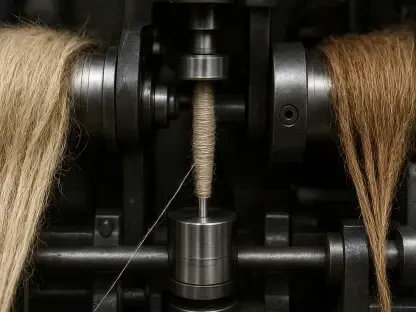
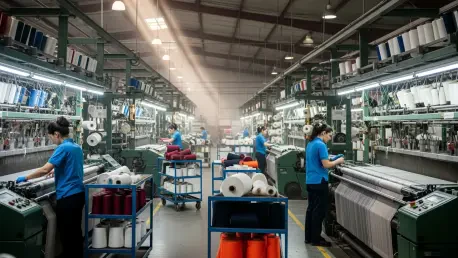
Parallel to the rise of fruit-based fibers, the industrial scaling of hemp and bamboo within China and Vietnam has reached a critical threshold, enabling these materials to compete on price with conventional cotton. Modern spinning facilities have successfully overcome the traditional coarseness of bast fibers through advanced degumming technologies, allowing for the creation of soft, high-performance blends suitable for activewear and luxury fashion alike. This technological leap is supported by state-led initiatives that prioritize the cultivation of non-food crops on marginal lands, thereby avoiding competition with food security. Furthermore, the inherent antimicrobial properties of these fibers are being leveraged to reduce the need for silver-based chemical finishes, which often leach into waterways during the washing process. As these sustainable alternatives become more integrated into the standard manufacturing workflow, the reliance on water-intensive and pesticide-heavy traditional crops is steadily declining across the most productive zones.
The Innovation: Molecular Recycling and Closed-Loop Systems
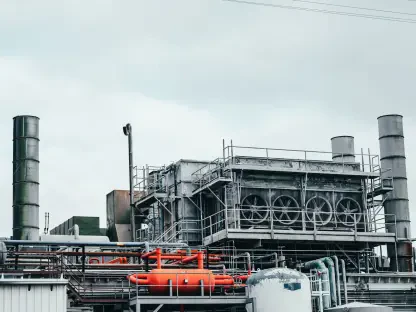
While natural fibers address the biodegradable segment of the market, the transformation of the synthetic sector through molecular recycling represents a major technological victory for Asian manufacturing hubs. In South Korea and Taiwan, specialized facilities are now utilizing depolymerization processes to break down post-consumer polyester waste into its original chemical building blocks. Unlike traditional mechanical recycling, which degrades fiber quality over time, this chemical approach produces virgin-grade rPET that can be recycled infinitely without a loss in tensile strength or dyeability. This closed-loop system is effectively decoupling textile production from petroleum extraction, allowing factories to operate as circular ecosystems. This shift is particularly evident in the high-performance segment, where technical fabrics must meet rigorous standards for moisture-wicking and thermal regulation. By establishing these advanced recycling clusters, Asian producers are positioning themselves as essential partners for global brands that have committed to zero-waste targets.
In the end, the movement toward sustainable fibers in the Asian textile sector provided a definitive blueprint for how industrial centers navigated the complex demands of modern ecological stewardship. This transition proved that the integration of recycled polymers and agricultural waste was not just an environmental necessity but a robust strategy for long-term economic survival. Stakeholders who prioritized the adoption of closed-loop chemical recycling and bio-based feedstocks successfully secured their positions within a global market that demanded total transparency. These early adopters demonstrated that investing in localized supply chains and renewable energy minimized operational risks and fostered a more equitable relationship with labor and local communities. By moving away from the linear “take-make-waste” model, the industry established a new standard for performance and responsibility that influenced manufacturing sectors far beyond apparel. Ultimately, the successful scaling of these technologies ensured that the region remained a dominant force while significantly reducing its overall footprint.