
Industrial mattress manufacturing plants constantly evaluate production equipment to find a sustainable balance between high-volume output and precise stitch quality. In the current landscape of 2026, the transition from traditional lock-stitch methods to computerized chain-stitch technology represents a fundamental shift in textile engineering. While lock-stitch machines provide a secure finish for thinner decorative quilts, they are often hindered by the physical limitations of bobbins which require frequent stops for replacement. In contrast, shuttleless or chain-stitch machines allow for continuous operation by pulling thread directly from large cones, facilitating an uninterrupted workflow that is essential for thick mattress panels and heavy-duty bedding. This technological evolution has positioned manufacturers like the Hengchang Quilting Machinery Factory, which has been refining its engineering since 1994, as critical partners for facilities looking to maximize their throughput without sacrificing the intricate detail required by modern high-end consumers.
1. Core On-Site Equipment Testing: Operational Efficiency
When evaluating a potential machine on the factory floor, the primary focus should be on the stability of the output during peak operating speeds. A machine might perform perfectly at a demonstration pace, but the real test occurs when it is pushed to its maximum rated capacity for several hours. Professional buyers must scrutinize the stitch integrity across various material densities, ensuring that the needle distance remains consistent and does not drift as the speed increases. Any variation in the pattern alignment or tension can lead to significant waste in a high-volume environment. Furthermore, the feeding mechanism needs to be analyzed for its ability to handle multi-layered fabrics, ranging from silk-like top covers to dense foam cores, without causing bunching or surface wrinkles. Observing how the machine manages the physical resistance of these materials at top speed provides a clear indicator of its mechanical robustness and the precision of its computerized control systems.
Beyond raw speed, the agility of the control system during pattern transitions defines the overall efficiency of a modern quilting line. Technicians should actively switch between different complex pattern files to observe the machine’s reset time and software responsiveness. This is also the optimal time to verify the reliability of integrated safety and diagnostic sensors. For instance, simulating a thread break while the machine is at full throttle is a non-negotiable test; the automatic detection system should ideally trigger a complete stop within two seconds. Rapid cessation prevents the needle from continuing an empty path, which could otherwise tear the fabric or damage the underlying foam layer. These safety triggers are not merely protective features but are essential components of an automated workflow that minimizes human intervention. Successful testing in this area ensures that the machine can operate autonomously with high reliability, thereby reducing the need for constant supervision.
2. Calculating the Total Cost of Ownership: Long-Term Value
Financial decision-making in the textile industry often suffers from a narrow focus on the initial purchase price, yet the most successful operations prioritize the total cost of ownership. A lower upfront investment can quickly be eclipsed by the costs of frequent mechanical failures, excessive material waste, or high energy consumption. To avoid these pitfalls, savvy investors utilize a comprehensive value formula that divides the purchase price by the product of the reliable operating speed, the success rate of finished goods, and a service support factor. This holistic approach quantifies how much value the machine generates over its entire lifecycle rather than just its cost on the day of delivery. By evaluating the first-pass yield—the percentage of mattress panels that meet quality standards without requiring secondary repairs—manufacturers can accurately predict their profit margins. A machine that consistently delivers a 99% success rate at high speed represents a far better investment than a cheaper alternative that requires constant rework.
The reliability of the machine is inextricably linked to the manufacturer’s ability to provide timely technical support and specialized replacement parts. In a globalized market, the proximity and responsiveness of service technicians can be the difference between a minor delay and a week-long production halt. When calculating the service support factor, buyers should assess the availability of regional warehouses and the qualifications of the support staff. Manufacturers like Hengchang have built their reputations not just on the hardware they produce, but on the infrastructure they maintain to assist clients after the sale. This includes the availability of software updates that can optimize machine performance as new quilting patterns become popular in the 2026 to 2028 market cycle. A high service score reflects a manufacturer’s commitment to long-term partnership, ensuring that the equipment remains a productive asset for a decade or more. Ultimately, the cost of downtime is the most expensive line item, making a robust support network a primary selection criterion.
3. Material Verification and Facility Inspection: Quality Assurance
Before a final contract is signed, it is imperative to conduct material verification tests using the exact fabrics, foams, and backings that will be used in the actual production line. Different materials possess unique friction coefficients and thicknesses that can affect thread tension and presser foot pressure. By providing these samples to the manufacturer for pre-shipment calibration, buyers ensure that the machine is pre-configured for their specific product line. This prevents the common issue of out-of-the-box failures where a machine calibrated for standard polyester foam struggles with high-density latex or specialty cooling gels. During this phase, the manufacturer can fine-tune the needle selection and thread types to minimize breakage and heat buildup. This level of customization demonstrates the machine’s versatility and ensures that the factory can hit full production capacity within days of installation. It also serves as a final proof of concept, confirming that the machine logic accurately interprets complex textures.
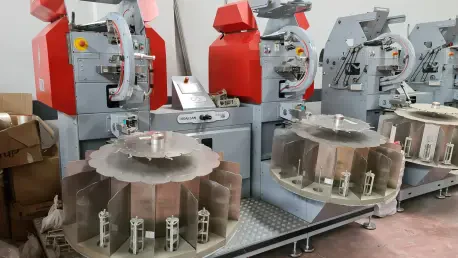
An in-person inspection of the manufacturing facility offers an unparalleled perspective on the quality control standards and assembly processes of the equipment builder. Walking through a factory floor allows a buyer to witness the multi-needle chain-stitch units operating in a synchronized environment alongside automatic cutting and stacking modules. This observation provides direct evidence of how the machinery handles continuous, high-volume stress and how the integrated components communicate within a larger automated system. It is also an opportunity to evaluate the build quality of the frames, the precision of the drive motors, and the overall cleanliness of the assembly line, all of which are indicators of the machine’s longevity. Engaging with the engineers on-site can reveal insights into the design philosophy of the equipment, such as how they have addressed common vibration issues or optimized thread paths for higher speeds. Seeing the machines in various stages of completion provides confidence that the builder has the scale to meet industrial standards.
4. Strategic Implementation: Future Readiness
The selection process for a Chinese shuttleless quilting machine required a disciplined approach that weighed technical specifications against long-term operational viability. By implementing a rigorous on-site testing protocol, manufacturers successfully identified the equipment capable of maintaining high-speed output without compromising stitch precision. The calculation of the total cost of ownership shifted the focus from short-term savings to sustainable profitability, highlighting the importance of first-pass yield and reliable technical support. Furthermore, the use of specific material samples for calibration ensured that the machinery was perfectly tuned to handle the diverse range of textiles common in the current market. This systematic evaluation confirmed that choosing a reputable partner like Hengchang provided a foundation for increased production efficiency and superior product quality. Ultimately, the decision-makers who followed these comprehensive steps secured a competitive advantage by integrating advanced automation that met demanding standards.
Industry leaders who adopted these high-speed chain-stitch solutions found that their return on investment materialized faster than expected due to the significant reduction in mechanical downtime. By prioritizing equipment that balanced raw speed with computerized precision, these plants set a new benchmark for excellence in the mattress sector. Moving forward, the integration of these advanced machines involved greater levels of data connectivity, allowing for real-time monitoring of stitch quality from remote locations. For manufacturers who evaluated their options in the current year, the priority remained the verification of mechanical integrity and the establishment of a strong support relationship with the builder. Those who invested in the robust technology offered by Hengchang already began to see the benefits of a more resilient and scalable production line. These steps served as a blueprint for modernizing textile operations, ensuring that the final products not only met but exceeded the expectations of a demanding global consumer market.