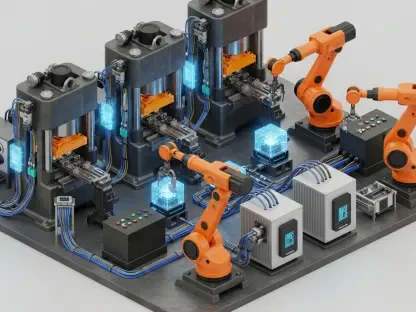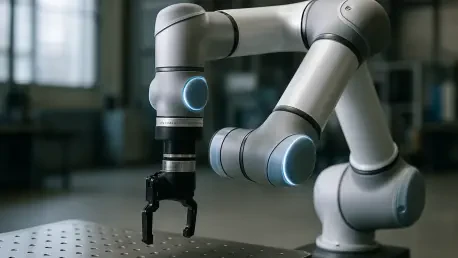

A strategic decision enacted within a single manufacturing facility is sending powerful ripples across the Philippine industrial sector, establishing an ambitious new precedent for sustainable development. Schneider Electric’s Cavite Smart Factory has successfully pioneered a complete transition to
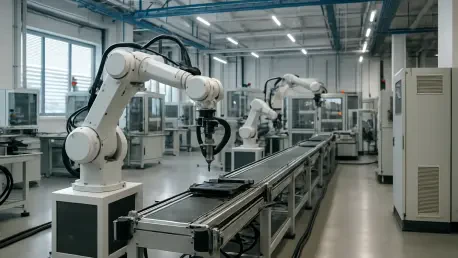
The Fourth Industrial Revolution has propelled the manufacturing sector beyond incremental upgrades, demanding a fundamental reinvention of how products are designed, produced, and delivered in a globally competitive market. This transformation represents a paradigm shift where digital technologies
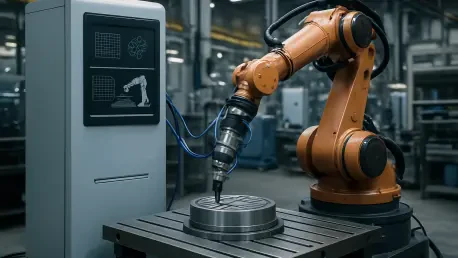
In a landmark move poised to redefine the application of artificial intelligence across the industrial sector, chipmaker NVIDIA and French industrial software leader Dassault Systèmes have announced a comprehensive strategic partnership aimed at establishing a new paradigm for how complex
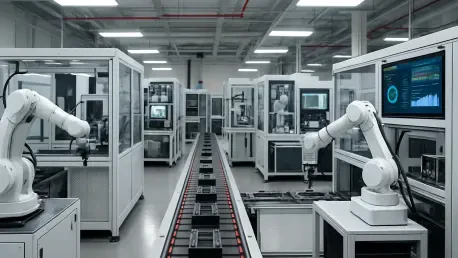
The manufacturing industry is undergoing a profound transformation, moving away from colossal, centralized production facilities toward nimble, intelligent, and distributed smart microfactories that promise unprecedented agility. While the gleaming robotics and sophisticated automation systems

A surge of economic optimism swept through U.S. markets, driving major indexes toward record highs on the back of a manufacturing report that significantly outpaced expectations. This broad-based rally, however, masked a turbulent undercurrent of sector-specific volatility where news of regulatory
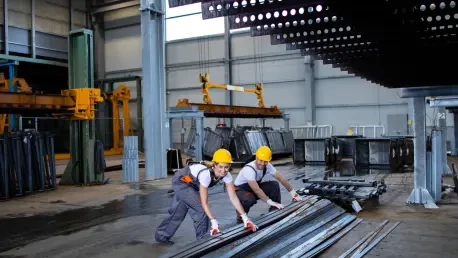
As the manufacturing world converges on Shanghai, TCT Asia 2026 is poised to offer an exhaustive and in-depth exploration of the entire additive manufacturing value chain, solidifying its position as the largest AM trade show in Asia. This extensive event aims to create a full-chain platform