Textile integrity during repeated washing and stretching remains a critical engineering challenge for developers of wearable electronics and flexible strain sensors. Despite these technical hurdles, the global textile and apparel industry has entered a period of unprecedented transformation, moving
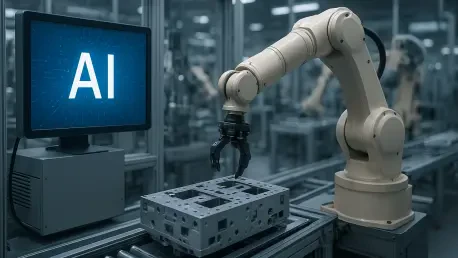
The perception and connection layer of the NexusOS platform integrates real-time orders from diverse global e-commerce sites like Amazon, Shopify, and TikTok. This technological integration forms the cornerstone of POL Group Inc.’s strategy to disrupt the global manufacturing landscape, which is

Effective industrial security strategies prioritize physical safety and process continuity over the simple data protection priorities found in IT departments. This fundamental shift marks the end of an era where manufacturing plants relied on the myth of the "air gap" to ensure operational
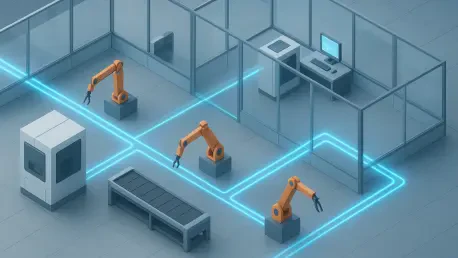
Threat actors are now utilizing artificial intelligence to clone executive voices and craft hyper-targeted social engineering attacks against industrial organizations. This shift represents a massive escalation in the complexity of threats facing the manufacturing world today. As the push for
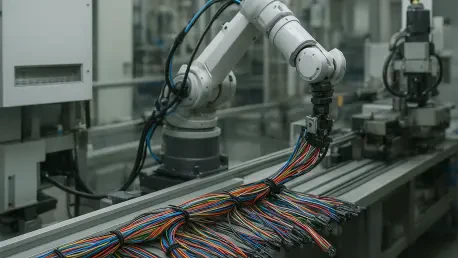
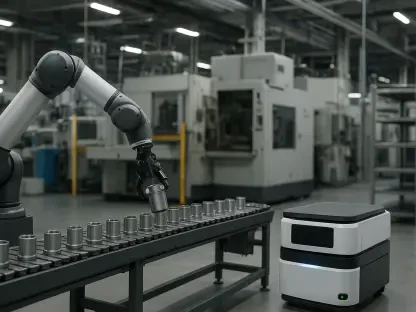
While the automotive body shop and paint facilities have seen massive robotic adoption, the assembly of the wire harness has remained a manual process until now. For decades, the intricate web of cables and connectors that constitutes a vehicle's electrical backbone has been the final holdout

The smart factory of 2036 is expected to be a secure mesh of IP67-rated bus couplers and modular stations that minimize the need for traditional, large-scale control cabinets. This transformation is currently rooted in the global industrial bus couplers market, which serves as a specialized but