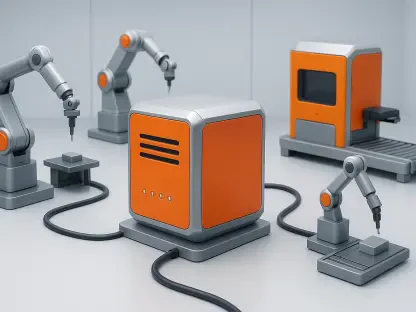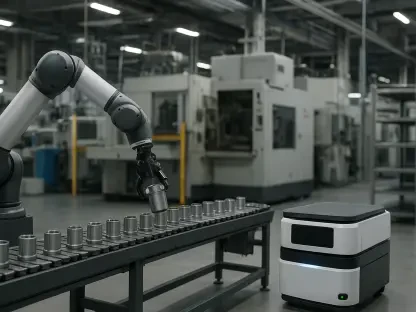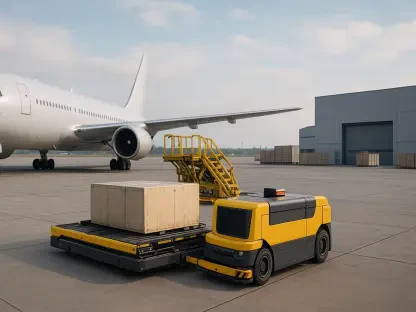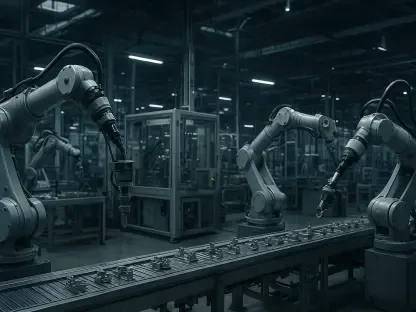

A profound paradox currently defines the global manufacturing landscape where astronomical investments in artificial intelligence clash with surprisingly stagnant productivity gains across many factory floors. Even as companies deploy increasingly sophisticated machine learning models designed to

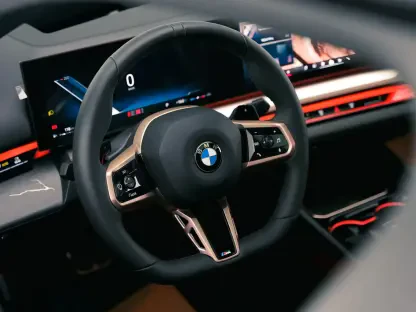
The traditional roar of internal combustion engines is being replaced by the silent hum of high-performance electric motors as the global automotive industry undergoes its most significant industrial pivot in over a century. At the center of this monumental shift is the Mercedes-Benz production

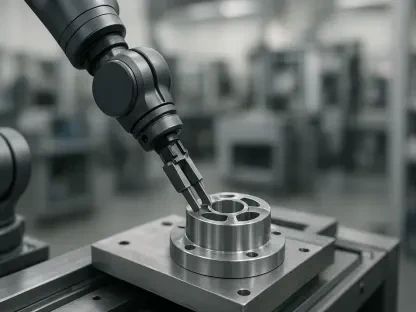
The rapid evolution of industrial sensing technologies has forced a paradigm shift where metrology is no longer a post-production hurdle but a core driver of operational efficiency. Modern manufacturing environments have moved beyond the era of simple pass-fail inspections to a sophisticated
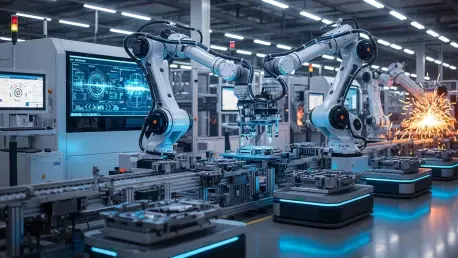
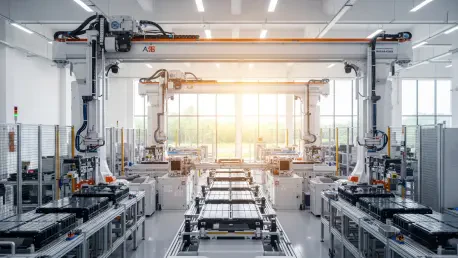
The rapid transformation of the industrial landscape has reached a critical juncture where nearly half of the world's major smart factories now operate within Chinese borders, showcasing a level of technological maturity that seemed aspirational only a few years ago. This shift is not merely about

The sight of a flashing red light on a production floor dashboard no longer represents just a problem to be solved by a human operator, but rather a trigger for an intelligent system to autonomously evaluate and resolve the underlying issue before the shift even ends. In the current manufacturing
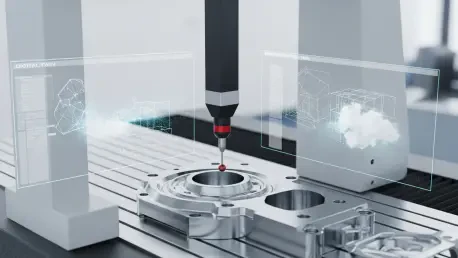
The traditional manufacturing floor has undergone a profound transformation, moving away from a linear model where inspection functioned solely as a terminal gatekeeper to one where measurement data drives every tactical decision. Historically, quality control was a post-mortem exercise where