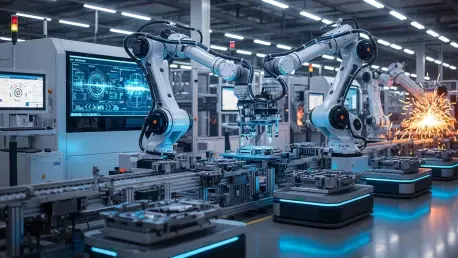
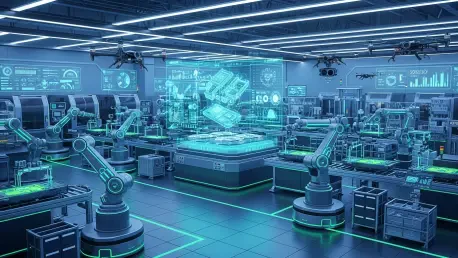
The global industrial landscape currently faces an unprecedented convergence of high energy costs and a critical shortage of skilled labor, forcing traditional manufacturers to rethink their core operational strategies. While many facilities have historically relied on retrospective data analysis

The automotive landscape experienced a seismic shift this month as the production lines at the Fremont Factory celebrated a milestone that was once considered impossible by industry skeptics. Reaching the ten-millionth electric vehicle is not just a numerical achievement for Tesla; it represents

Modern industrial facilities are no longer isolated islands of mechanical production but have evolved into hyper-connected nodes within a global digital nervous system. As the 2026 landscape unfolds, manufacturers face the daunting reality that a single breach in a peripheral sensor can cascade
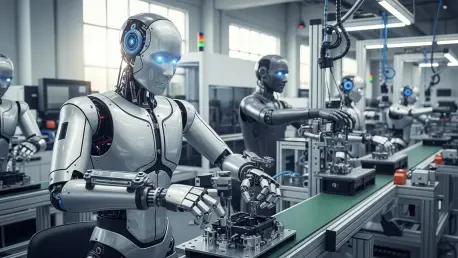
Industrial production has reached a pivotal juncture where the isolation of digital intelligence from physical execution is finally being bridged by advanced engineering solutions. Instead of treating artificial intelligence as a separate software layer that simply processes data, current
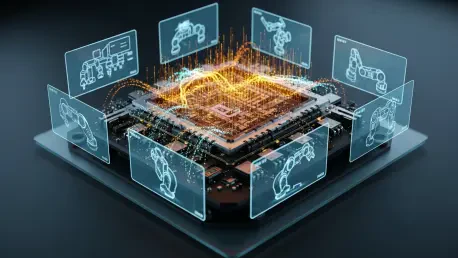
The traditional methodology of teaching sophisticated industrial hardware to perform complex tasks has long relied on labor-intensive manual coding or the collection of massive datasets through physical teleoperation. This approach created a significant bottleneck, as robots required thousands of

Modern manufacturing facilities often generate terabytes of sensor data every hour, yet much of this information remains locked in proprietary formats or isolated server racks, rendering it virtually useless for high-level decision-making. The transition from legacy operations to digital excellence