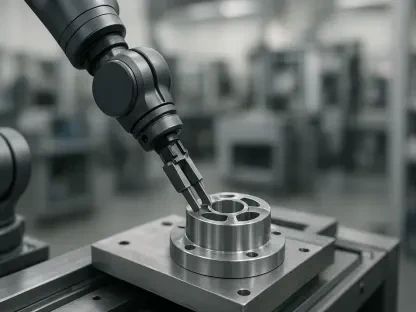
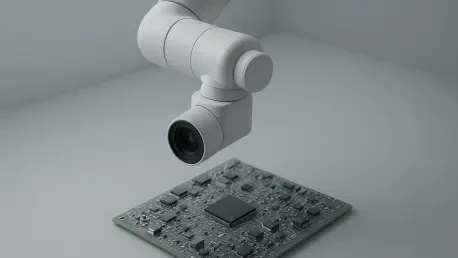
Traditional robotic welding often requires rigid fixtures and tedious point-by-point teaching, but the TM3S uses built-in vision to instantly generate welding trajectories. This breakthrough, showcased at the 2026 Taipei International Industrial Automation Exhibition, signalizes a fundamental shift

Securing a modern plant estate requires mapping which identities can reach process recipes and quality records before any AI tools are granted access. As of 2026, the rapid shift toward intelligent automation has outpaced the fundamental security protocols necessary to protect intellectual property
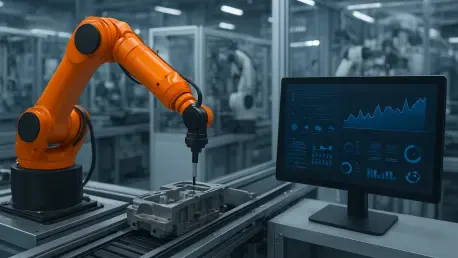
Industrial Internet of Things sensors now capture granular data such as vibration and pressure to bridge the gap between process signals and corrective responses. This shift signifies the move from traditional quality control, which often acted as a post-production filter, toward a more integrated
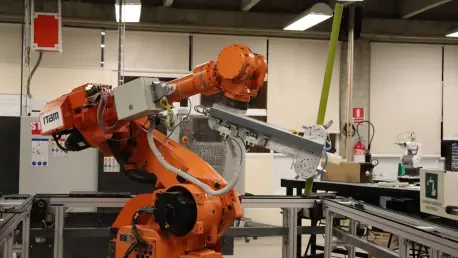
Advanced software now enables rapid tool changes and the ability to handle various product sizes, making robotics viable for small-batch production. This shift marks a significant departure from the previous era of manufacturing, where automation was almost exclusively the domain of automotive
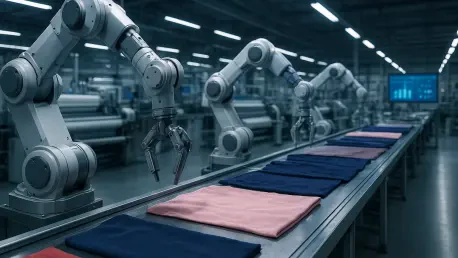
The South Korean textile sector, once the backbone of the nation’s rapid industrialization, currently faces an existential crossroads as labor shortages and rising operational costs threaten its global competitiveness. Specialized AI sensors can now detect minute surface defects in fabrics that are
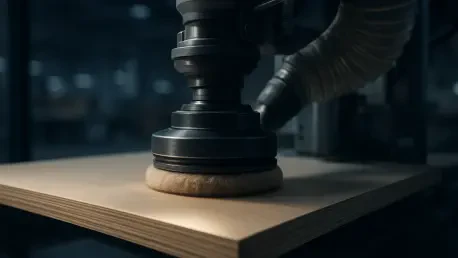
Moisture and impact resistance are the primary functional benefits of applying high-quality edge banding to the foundation of modern cabinetry and office furniture. For decades, the furniture manufacturing industry relied heavily on manual labor to achieve these results, but the landscape is