
The American automotive landscape is currently undergoing its most radical transformation since the invention of the assembly line as federal mandates force a total severance from foreign technology. Modern vehicles have evolved into sophisticated mobile data centers, generating massive amounts of sensitive information that federal regulators now view as a significant national security vulnerability. This shift toward a “connected car” ecosystem has necessitated a proactive defense strategy, leading to strict prohibitions against the use of hardware and software originating from specific adversarial nations. While the digital convenience of real-time navigation and remote diagnostics has become a standard consumer expectation, the underlying architecture of these systems is being scrutinized for potential backdoors. Consequently, domestic manufacturers are now operating under intense pressure to redesign their electronic nervous systems entirely from scratch. This transition is not merely a technical update but a fundamental re-engineering of the entire global automotive supply chain.
Federal Mandates: The Decoupling Timeline
Strict federal regulations have established a definitive timeline for this technological pivot, starting with a comprehensive software prohibition for the 2027 model year and a hardware ban by 2030. Because the development cycle for a new vehicle typically spans several years, manufacturers must commit to compliant hardware and software architectures today to ensure they have product ready for the showroom floor. Early enforcement actions against several foreign-owned brands have already demonstrated that the government is fully prepared to block the sale of vehicles that do not meet these rigorous new security standards. This environment of high-stakes compliance has forced procurement departments to abandon long-standing, cost-effective relationships in favor of unproven domestic alternatives. The speed of this regulatory rollout has left little room for error, as missing a single milestone in the supply chain transition could result in catastrophic inventory shortages or expensive last-minute redesigns that erase profit margins for an entire vehicle line.
To address the impending shortage of compliant electronics, specialized domestic firms are rapidly expanding their footprint across the industrial heartland to fill the manufacturing vacuum left by the sudden exit of foreign suppliers. Companies like Ohio’s Eagle Wireless have become critical players in this effort, targeting massive increases in their workforce and annual revenue to meet the surging demand for locally produced circuit boards. These firms represent the front lines of the effort to reshore high-tech manufacturing, turning former warehouses into sterile, high-precision assembly environments. However, the sheer scale of the American market presents a daunting logistical challenge for these emerging domestic players, who must somehow replicate decades of foreign manufacturing expertise in just a few short years. Scaling production from small-batch prototypes to the millions of units required by the Big Three automakers requires not only significant capital investment but also a specialized labor force that has been in decline for several decades.
Operational Realities: The Shift in Manufacturing
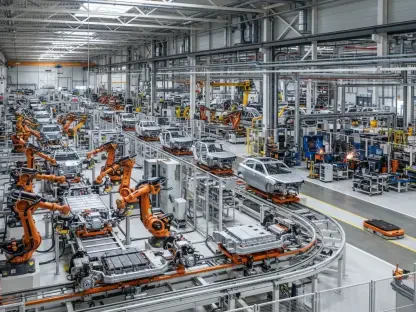
In an effort to maintain operational continuity during this turbulent transition, many American firms are adopting a “bridging” strategy that involves licensing established designs from former partners. This approach allows domestic engineers to utilize existing technical expertise as a foundational starting point while they simultaneously race to develop proprietary, U.S.-compliant technology. Moving from these licensed frameworks to original, sovereign innovation by the 2030 hardware deadline is currently the primary focus for R&D departments across the country. By utilizing a “box-build” method, where domestic factories assemble pre-approved components based on licensed blueprints, manufacturers can keep their assembly lines moving while they build internal capabilities. This gradual transition is intended to mitigate the risks associated with a cold start in electronics manufacturing, though it remains a delicate balancing act. The ultimate goal is to move beyond the shadow of foreign intellectual property to create a truly independent technological ecosystem.
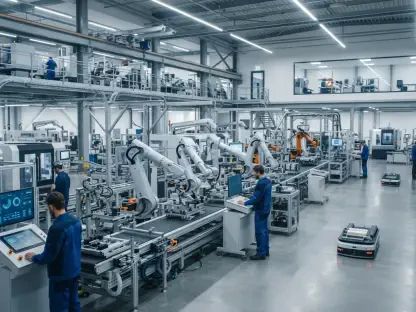
The technical heart of this massive overhaul is the connectivity module, a complex circuit board that serves as the gateway for all wireless signals and internet interactions within the modern vehicle. Manufacturing these highly sensitive components requires an extraordinary level of precision, utilizing high-speed robotic assembly and specialized thermal processing in industrial ovens to ensure long-term reliability. Historically, foreign vendors have dominated nearly half of the global market for these specific modules, leaving a significant gap in domestic technical knowledge and production capacity. Localizing the entire production process involves more than just buying the right machinery; it requires the development of localized supply lines for the raw materials and micro-components that populate these boards. Every resistor and semiconductor must be vetted for its origin to satisfy federal auditors, creating a rigorous documentation trail that extends deep into the secondary and tertiary tiers of the global supply network.
Economic Consequences: The True Cost of Independence
Moving the center of gravity for the automotive supply chain back to American soil has triggered significant price shocks, with domestic modules often costing between 5% and 15% more than their predecessors. These increased costs are a direct result of higher domestic labor rates, the capital expenditures required for new facilities, and the loss of the massive economies of scale that foreign mega-factories once provided. Beyond the simple unit cost of the hardware, automakers are now burdened with an immense administrative requirement to provide total visibility into their logistics operations. They are now required to prove that no sub-components or raw materials originate from restricted entities, which has added a new layer of expensive bureaucracy to an already strained system. These financial pressures are eventually passed down to the consumer, contributing to a general rise in vehicle prices at a time when the industry is also trying to make electric vehicles more affordable for the average middle-class family.
The response to these systemic changes has varied significantly across the industry, with agile electric vehicle startups often finding it much easier to pivot than the entrenched legacy automotive giants. Newer companies frequently built redundancy into their systems from the beginning, allowing them to switch suppliers with less friction than a manufacturer with decades of integrated legacy systems. In contrast, established manufacturers are navigating a much more complicated landscape as they attempt to modernize ancient procurement networks without disrupting their current production cycles. Many of these legacy firms have spent the last few months seeking specific exemptions or extensions to keep their assembly lines moving while they wait for domestic capacity to catch up. This divergence in strategy has created a tiered market where some brands are positioning themselves as “security-first” leaders while others struggle to keep pace with the rapidly evolving regulatory environment and consumer expectations.
Strategic Adaptations: Establishing Domestic Sovereignty
The aggressive push for domestic independence created a strategic paradox where American firms were forced to license foreign technology as a temporary measure to eventually build a future without it. While the initial costs were undeniably high and the logistical hurdles seemed daunting, the automotive industry demonstrated a clear commitment to a permanent break from foreign tech reliance. Engineers successfully mastered the complexities of connectivity modules, moving past basic assembly toward the creation of proprietary architectures that prioritized data privacy. This era of transformation highlighted the necessity of a resilient, localized supply chain that could withstand geopolitical shifts and global trade disputes. The pivot necessitated a total reimagining of what a car company actually is, shifting the focus from mechanical excellence to digital security. Domestic innovators eventually narrowed the price gap through improved automation and smarter logistics, proving that the American workforce could compete in the high-tech electronics sector.
Automakers established new protocols for supply chain transparency that allowed for real-time tracking of every component from the raw material stage to the final assembly. These systems provided the deeper visibility required by federal mandates and gave consumers newfound confidence in the security of their connected vehicles. The industry also invested heavily in vocational training programs to rebuild the technical skills necessary for precision electronics manufacturing, ensuring a steady stream of qualified labor for the new gigafactories. As the hardware deadline approached, the reliance on licensed designs faded, replaced by original American innovation that set new global standards for automotive cybersecurity. The transition was ultimately defined by a period of intense collaboration between the public and private sectors, which secured the long-term viability of the domestic car market. Moving forward, the industry prioritized the development of standardized, open-source architectures to prevent future dependencies and foster a more competitive and secure technological landscape for the next generation of drivers.