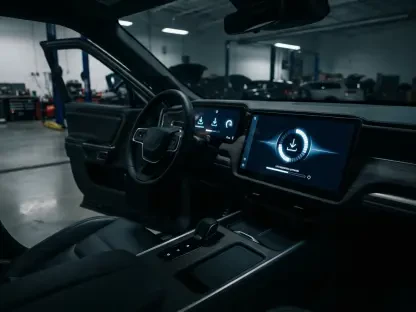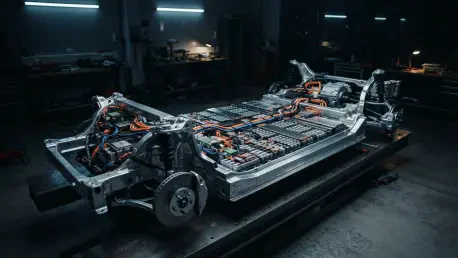

The proposed expansion of the tax credit scheme aims to provide a crucial tailwind for South Korean automakers who are currently facing rapid advancements in autonomous technology. This specific legislative shift represents a significant departure from previous industrial policies that primarily focused on incentivizing the production of sub-components like semiconductors and secondary batteries rather than the final assembly of vehicles. Finance Minister Lee Hyoung-il recently underscored this change during a high-profile visit to the research and development centers in Gyeonggi Province, where he signaled a newfound readiness to collaborate with the National Assembly. By integrating finished electric vehicles into the list of sectors eligible for tax relief, the government hopes to fortify the domestic supply chain against aggressive international rivals. This pivot acknowledges that mastering internal battery chemistry is no longer sufficient to maintain a competitive edge in a global market that prioritizes software-defined mobility.
Market Volatility: Confronting Global Price Pressures
South Korean manufacturers currently grapple with an intense “price offensive” from neighboring markets, particularly China, which has significantly altered the economic landscape for electric transport. Recent industry data reveals a concerning trend where domestically produced models account for less than half of new electric passenger car registrations within Korea itself. This erosion of domestic market share serves as a wake-up call for both corporate leaders and policymakers who recognize that the window for securing dominance is closing rapidly. Hyundai Motor Group Executive Chairman Chung Euisun has been a vocal advocate for swift fiscal support, arguing that the survival of the local industry depends on the government’s ability to match the subsidies offered by competing nations. The struggle is not merely about production volume but about maintaining high-value engineering jobs. Consequently, the push for a production tax credit is seen as a mechanism to offset the high operational costs of maintaining advanced local manufacturing facilities during this transition.
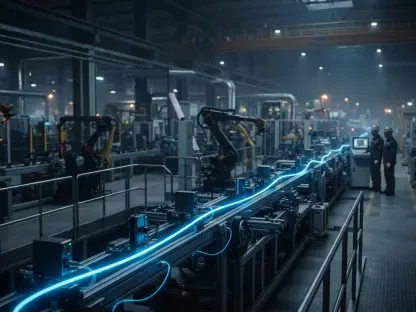
While fiscal support provides a temporary shield against price fluctuations, it must be synchronized with aggressive corporate innovation to yield long-term results. Minister Lee has been clear that tax incentives are not a panacea for structural inefficiencies; rather, they are intended to catalyze cost-cutting measures and research breakthroughs. The upcoming government package focuses on research and development for core components that will drive down the total cost of ownership for consumers by late 2027. Manufacturers are being encouraged to rethink their assembly lines by integrating more sophisticated automation and robotics to reduce overhead. This synergy between government policy and private sector ingenuity is the only way to achieve technological parity with global leaders within the next two years. Furthermore, the industry is calling for more robust legal structures surrounding battery leasing, which could potentially lower initial purchase prices for the end consumer.
Legislative Frameworks: Building a Sustainable Ecosystem
The legislative momentum behind these changes is characterized by a rare moment of bipartisan consensus within the National Assembly. Nineteen lawmakers from both the ruling and opposition parties have introduced a bill to amend the wheels of the Restriction of Special Taxation Act, signaling that the health of the automotive sector is a matter of national security. This legislative push aims to expand the current list of six strategic sectors to seven by officially adding electric vehicles to the high-priority list. Such a move would unlock significant capital for established players and startups alike, allowing them to reinvest in the next generation of transport technology. The urgency of this measure is underscored by the realization that the automotive sector is the next major battleground for national growth. If the amendment passes, it will provide the legal framework necessary to sustain large-scale investment in domestic assembly plants and next-generation battery management systems.
The government effectively signaled that the era of focusing solely on component manufacturing had ended, marking a new chapter in the nation’s industrial strategy. Leaders recognized that to secure the future of the automotive sector, they had to implement a comprehensive support system that addressed both fiscal and regulatory hurdles. Moving forward, the most critical step involved the finalized integration of electric vehicles into the production tax credit scheme during the upcoming parliamentary reviews. To maintain this momentum, domestic companies prioritized the localization of software development while simultaneously reducing dependency on foreign raw materials for battery production. Policy experts recommended that future updates to the tax law should include dynamic adjustments based on real-time market performance to ensure longevity. By establishing clear milestones for 2027 and 2028, the administration provided a predictable roadmap that allowed manufacturers to commit to long-term capital investments.