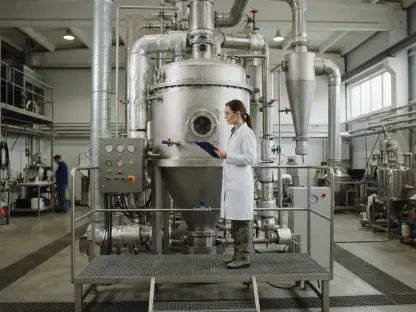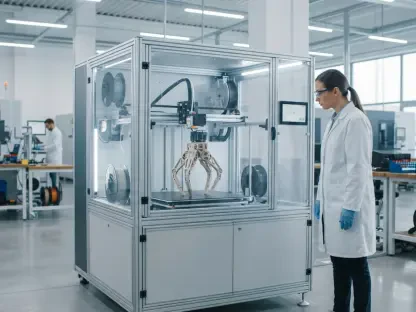

Deploying a self-supporting steel equipment platform isolates mechanical vibrations from the sterile environment, protecting the integrity of the cleanroom ceiling. This engineering choice is no longer just an optional enhancement but a foundational requirement for facility managers seeking to maintain long-term airtightness in high-stakes pharmaceutical hubs. In the current landscape of biotechnology, the pressure to deliver life-saving therapies has compressed traditional construction timelines, forcing a shift toward modularity. These pre-engineered facilities provide a robust response to the demand for rapid deployment without sacrificing the stringent environmental controls necessary for aseptic compounding and raw material dispensing. By moving construction into a controlled factory setting, organizations can bypass many of the on-site variables that historically delayed critical project launches. This evolution ensures that the facility serves as a dynamic asset rather than a static shell.
Regulatory Standards: Precision in Environmental Control
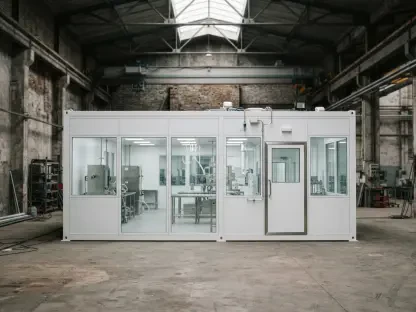
The foundational challenge of pharmaceutical infrastructure is the reconciliation of speed with absolute regulatory adherence. Modular environments in specialized markets must comply with stringent federal and state guidelines, necessitating a facility that can withstand intense scrutiny during Installation Qualification, Operational Qualification, and Performance Qualification. The current generation of cleanrooms delivers a dual-grade cleanliness classification, maintaining both ISO 7 and ISO 8 standards while providing internal clear heights of three meters to accommodate specialized laboratory and production equipment. A recurring theme in this design philosophy is the mitigation of risk through environmental stability. These systems are engineered to maintain a temperature range of 20 to 24 degrees Celsius and a relative humidity of 40 to 65 percent. These parameters are critical for the chemical stability of raw materials and the precision of sensitive weighing instruments.
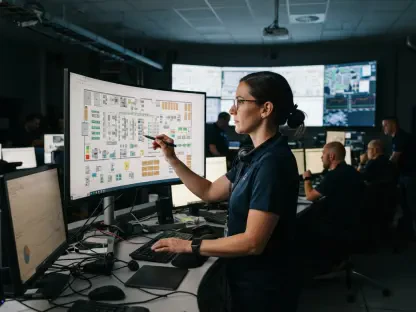
Operational intelligence is anchored by a visualized control hub that manages and monitors these environmental variables in real time. In an era of data-driven manufacturing, the ability to observe room pressure, humidity levels, and Filter Fan Unit status via a single interface is indispensable for maintaining audit-ready status. These systems often utilize bilingual or localized graphical interfaces, catering to a globalized workforce while ensuring that all environmental data is traceable for compliance purposes. The integration of high-efficiency filters and wall-mounted return-air panels ensures unidirectional airflow, which effectively sweeps particulates away from sensitive work surfaces. By synthesizing these technical specifications with daily operational workflows, modular engineering effectively addresses the compliance challenge by integrating documentation and testing support directly into the construction phase. This proactive method secures a seamless transition to production.
Architectural Zoning: Mastering Modern Contamination Control
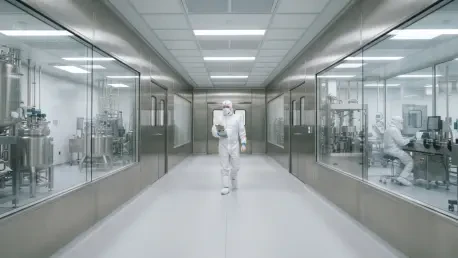
Central to the success of a modern cleanroom is its sophisticated approach to personnel and material logistics. To prevent cross-contamination, which remains a primary concern in multi-process biotechnology hubs, modular engineering employs a rigorous zoning strategy. The layout segregates dispensing, weighing, and storage areas through a series of buffering pathways that define the flow of movement. This includes independent Personnel Airlocks and Material Airlocks, which function as physical and pressure-based barriers between different cleanliness grades. These zones utilize high-frequency PVC rapid roll-up doors and interlocked pass-through windows to maintain the pressure gradients required to keep contaminants from migrating from lower-grade areas to higher-grade aseptic zones. By strictly defining these flows, the facility eliminates interference between different stages of the production cycle, such as the transition from raw material quarantine to aseptic compounding.
The physical envelope of the facility further enhances this protective barrier by using high-grade materials like rock wool sandwich pre-painted steel panels. These components are chosen for their superior fire resistance and acoustic insulation properties, which are vital in high-density laboratory environments. To facilitate management oversight without introducing external contaminants, the facility features large, flush-mounted, double-glazed tempered glass windows. These viewing ports provide maximum visibility and maintain a high level of airtightness, reflecting a consensus in modern cleanroom design that visual transparency is vital for safety and process monitoring. The use of smooth, non-porous surfaces across all panels and windows allows for rigorous cleaning protocols without degradation of the material. This combination of structural integrity and visual accessibility ensures that the environment remains both secure and manageable during complex pharmaceutical processing tasks.
Strategic Execution: Factory Assembly and Operational Success
The implementation of a modular approach significantly shortens the commissioning cycle by shifting the majority of the technical labor to a controlled factory setting. By pre-assembling core modules and power-testing them before they arrive on-site, engineers can identify and resolve potential electrical or mechanical discrepancies well in advance. This proactive engineering allows for the system to be adapted to specific regional electrical standards and shipping requirements before the final installation begins. This method represents a major shift toward intelligent and highly specialized environments that can be scaled according to market demand. The direct-expansion air-handling units and dehumidification equipment are pre-integrated into the system, ensuring that the lungs of the facility are fully operational from the moment of final assembly. Such precision in the early stages of development reduces the risk of unexpected failures during initial operation.
Successful implementations have demonstrated that modularity does not necessitate a compromise in quality or regulatory safety. Project managers prioritized the early integration of mechanical platforms and structural isolates, which effectively safeguarded the delicate filtration systems from operational wear. It was established that the use of visualized monitoring systems provided the necessary data transparency to satisfy even the most rigorous pharmaceutical audits. Organizations that adopted these modular strategies reached an audit-ready status significantly faster than those utilizing traditional methods. To maintain this competitive edge, it was recommended that future facility designs continue to focus on the scalability of HVAC systems and the flexibility of architectural zoning. This strategic focus ensured that production could adapt to changing biotechnology requirements without requiring extensive structural renovations. These measures collectively provided a reliable framework for future pharmaceutical manufacturing excellence.