
The collaborative development of a new Opel C-SUV demonstrates how Chinese software expertise is being fused with German engineering to accelerate the transition to electrification. This strategic alliance between Stellantis and Leapmotor represents a pivotal shift in the global automotive landscape, merging the industrial power of a Western giant with the technical agility of a Chinese electric vehicle specialist. At the center of this movement is the “Leapmotor International” joint venture, where Stellantis holds a majority 51% stake to steer the brand’s global expansion while leveraging its own massive logistical footprint. The production launch of the Leapmotor B10 at the Figueruelas plant in Zaragoza, Spain, serves as a landmark event in 2026, marking the first time a Chinese-designed vehicle has undergone full-scale manufacturing on European soil. Unlike simple “knock-down” kit assembly where pre-made parts are merely bolted together, this process utilizes the plant’s entire infrastructure, including high-tech body and paint shops. By achieving a localization rate that already exceeds 40%, the venture ensures strict compliance with regional regulations while insulating itself from potential trade barriers or logistical delays that often plague long-distance supply chains.
Optimizing Industrial Capacity and Operational Flexibility
Strategies for Plant Utilization: The FaSTLAne 2030 Initiative
The primary driver behind this integration is the ambitious Stellantis “FaSTLAne 2030” plan, which seeks to remedy the chronic underutilization of its European manufacturing sites. Historically, many of these facilities have operated at roughly 60% capacity, a level that is economically unsustainable in an increasingly competitive global market. By incorporating Leapmotor vehicles into these existing factory lines, Stellantis aims to boost utilization toward a much healthier 80%, ensuring the financial viability and long-term survival of its regional industrial footprint. This strategy transforms the Zaragoza plant from a legacy manufacturing site into a multi-brand hub capable of absorbing market fluctuations. The influx of new production volume effectively lowers the per-unit cost for all vehicles produced at the site, creating a synergy where the success of the new partner brand directly supports the stability of established European marques. This approach acknowledges that the path to a carbon-neutral future requires not just new technology, but a radical optimization of the physical assets already in place across the continent.
Implementing Flexible Assembly Lines: Adapting to Market Fluctuations
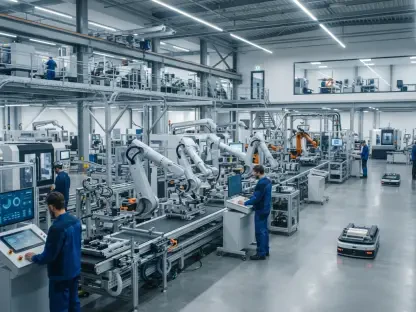
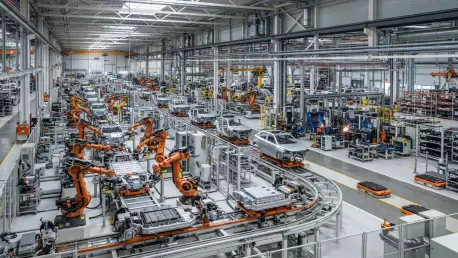
In the Zaragoza facility, the production of the B10 is seamlessly integrated into Line 2 alongside existing models from legacy brands like Opel and Lancia. This setup is a masterpiece of modern industrial engineering, designed for total flexibility that allows factory managers to adjust the production mix in real-time based on shifting consumer demand. This adaptable approach serves as a critical safety net in 2026, allowing the factory to remain highly productive regardless of whether the market leans toward traditional internal combustion engines, hybrids, or fully electric models. Such agility is essential as the industry navigates the complex transition period where buyer preferences are often unpredictable and heavily influenced by regional incentives or infrastructure developments. By avoiding the trap of rigid, single-purpose assembly lines, Stellantis can protect its workforce from the volatility that has historically led to temporary shutdowns or permanent layoffs in the automotive sector. This flexibility ensures that the plant remains a resilient cornerstone of the regional economy, capable of pivoting its output to match the immediate needs of the European consumer base.
Economic Growth and the Localized Supply Chain
Regional Job Creation and Battery Assembly: Investing in Aragon
The industrial shift toward electric vehicle production has already provided a significant boost to the Aragon region, resulting in the creation of approximately 450 new jobs that support the local economy. A key component of this growth is the specialized battery assembly facility located just a short distance from the main Zaragoza plant. While the battery cells themselves are currently imported to maintain cost-effectiveness, the complex assembly of these heavy and sensitive components is performed locally by a skilled workforce. This “asset-light” strategy allows the partnership to maximize regional economic impact without the massive capital expenditure required for a full-scale greenfield battery factory. By focusing on localized assembly, the venture captures a high-value portion of the supply chain while ensuring that the most critical component of the electric drivetrain is handled with the precision required for European quality standards. This local investment not only secures immediate employment but also builds a specialized talent pool in Spain that will be essential as the industry continues to move away from fossil fuels.
Building a Satellite Supplier Ecosystem: Enhancing Manufacturing Efficiency
The presence of Leapmotor in Spain is fostering a sophisticated new network of local and international suppliers situated in the immediate vicinity of the Zaragoza plant. These vendors provide large, integrated components directly to the assembly line, which significantly enhances the efficiency of the “just-in-time” manufacturing model that modern automotive production requires. This growing ecosystem is a vital part of the localization strategy, as it reduces the carbon footprint associated with long-distance shipping and strengthens the overall resilience of the local automotive supply chain against global shocks. Furthermore, the proximity of tier-one suppliers allows for faster quality control feedback and more collaborative engineering, as parts can be modified and tested in a matter of hours rather than weeks. As more Chinese and European suppliers set up shop in the Aragon industrial corridor, the region is becoming a specialized hub for electric vehicle technology, attracting further investment and ensuring that the local industry remains at the forefront of the technological revolution that is currently redefining how cars are designed and built.
Technical Synergies and Future Product Roadmaps
Accelerated Development and Technology Sharing: The New Engineering Paradigm
The partnership between Stellantis and Leapmotor extends well beyond manufacturing, entering the realm of deep technical collaboration that is fundamentally changing how vehicles are developed. A prime example is the co-development of the new Opel C-SUV, which utilizes Leapmotor’s advanced electrical architecture to drastically reduce the time from concept to showroom. By leveraging these shared platforms, engineering teams have managed to cut development cycles down to less than two years, a pace that was previously unheard of for traditional European manufacturers. This speed allows brands like Opel to compete more effectively with the rapid release cycles typical of the Chinese tech sector, ensuring that European consumers have access to the latest software-defined vehicle features without the long wait times of the past. This cross-pollination of expertise means that while the software and electrical “brains” of the car might be inspired by Chinese innovation, the chassis tuning, safety systems, and interior ergonomics remain distinctly European, offering the best of both worlds to a global audience.
Long-Term Commitments and New Models: Expanding the Product Portfolio
The roadmap for the Figueruelas plant is not limited to a single model; it includes the introduction of additional vehicles like the Leapmotor B05, which is slated to begin production in the first half of 2027. This multi-year commitment suggests that the integration of Leapmotor technology is a foundational element of the long-term Stellantis strategy rather than a temporary solution for excess factory capacity. As these new models enter the market, they will serve as a definitive litmus test for how well Chinese-engineered platforms can be adapted to meet the high expectations of Western drivers regarding performance, reliability, and brand prestige. The success of these upcoming launches will determine the scale of future investments in the Zaragoza site and could lead to similar integration projects at other Stellantis facilities across Europe. This steady stream of new products ensures that the partnership remains dynamic and responsive to market trends, providing a continuous pipeline of innovative, affordable electric vehicles that can challenge both established competitors and new entrants in the rapidly evolving EV sector.
Navigating the New Model of Industrial Cooperation
The Host-Partner Relationship: A Strategic Alliance for the Electric Age
This arrangement reflects a broader industry trend where established Western manufacturers act as “hosts” for emerging Chinese brands, creating a new model of industrial cooperation. This relationship focuses on practical value, combining the technological speed of a startup like Leapmotor with the massive distribution, marketing, and service networks of a giant like Stellantis. For the Chinese partner, this provides an immediate and low-risk entry into one of the world’s most complex markets, bypassing the decades of work usually required to build a reputable service infrastructure. For Stellantis, the partnership serves as a way to outsource a portion of the high research and development risks associated with next-generation electric platforms. By sharing the burden of innovation, both companies can move faster and more efficiently than they could alone. This synergy is particularly important as the global automotive industry moves toward software-defined vehicles, where the ability to push over-the-air updates and manage complex digital ecosystems is just as important as traditional mechanical engineering.
A Proving Ground for Modern Manufacturing: Future Considerations
The Zaragoza plant has effectively become a proving ground for a new way of conducting business in the automotive world, demonstrating that a hybrid model of cooperation can thrive despite cultural and regulatory differences. By merging the strengths of two distinct industrial cultures, Stellantis and Leapmotor have created a pragmatic response to the dual pressures of global competition and the urgent need for electrification. The project successfully integrated Chinese-designed hardware into a European factory environment, proving that localization is a viable path for international expansion. However, the future success of this venture will depend on maintaining a clear brand identity for the legacy marques while ensuring that the new Leapmotor models do not cannibalize existing sales. Ongoing adjustments to European trade policies and localization requirements will likely necessitate even deeper integration of the supply chain in the coming years. Ultimately, the lessons learned in Spain provided a blueprint for how legacy manufacturers can reinvent themselves, suggesting that the future of European vehicle manufacturing lied in its ability to embrace global partnerships while maintaining its local industrial roots.