
Kwame Zaire is a distinguished authority in manufacturing systems and industrial equipment, recognized for his ability to bridge the gap between high-level industrial policy and the practical realities of the factory floor. With a career rooted in electronics and production management, he has become a leading voice on predictive maintenance, safety, and the strategic evolution of the automotive supply chain. His insights are particularly vital as the industry navigates the complexities of energy transitions, global supply disruptions, and the aggressive push toward domestic self-reliance in high-tech components.
In this discussion, we explore the intricate maneuvers required to maintain energy stability amidst regional instability and the technical shift toward cleaner manufacturing processes. We also delve into the massive financial commitments being made to secure rare earth materials and the strategic adjustments to electric vehicle subsidies that aim to protect both manufacturers and consumers.
Geopolitical tensions in West Asia often disrupt energy supplies for auto component manufacturing. How are you coordinating with industry associations to maintain LPG levels, and what specific contingency plans are in place to prevent production delays if regional instability worsens?
Our approach is built on a foundation of constant, real-time coordination with the Auto Component Manufacturers Association (ACMA) and the Ministry of Petroleum to ensure that the pulse of the industry remains steady. We are currently maintaining a very close watch on the situation in West Asia because we know that any tremor in that region can send shockwaves through our fuel supply lines. To prevent production delays, we have established an inter-ministerial monitoring system that allows us to redirect supplies to critical manufacturing hubs before a shortage becomes critical. While we have not reported any serious disruptions yet, our contingency strategy involves prioritizing high-output clusters and maintaining a strategic buffer that supports the 15–16% growth in production we have recently witnessed. It is a high-stakes game of logistics where the goal is to ensure that the heat in the furnaces never flickers, keeping the metal flowing and the assembly lines moving despite the external chaos.
Vehicle production recently saw a 15–16% increase, placing higher demand on energy infrastructure. How do you incentivize manufacturers to switch from LPG to electric furnaces or piped natural gas, and what technical challenges do factories face during this transition?
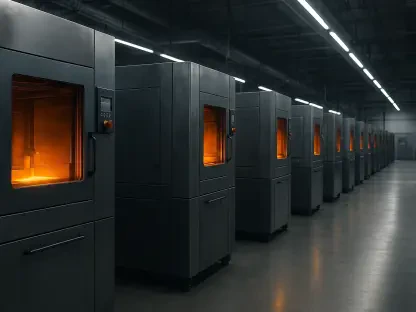
We are actively advising the industry to move toward cleaner fuel options like piped natural gas (PNG) and electric furnaces, using the stability of the PLI Auto scheme as a primary financial incentive. The transition is technically demanding because it requires a complete overhaul of the thermal architecture within a plant, moving away from the sensory intensity of combustion to the silent precision of electric heating. The conversion process begins with a rigorous energy audit, followed by the installation of heavy-duty electrical infrastructure or specialized gas pipelines that can handle high-volume industrial loads. We then move into the decommissioning phase, where old LPG burners are replaced with induction or resistance heating elements, a process that can be as complex as open-heart surgery on a functioning production line. Factories often struggle with the initial capital expenditure and the downtime required for these upgrades, but the long-term payoff is a production environment that is both more efficient and less vulnerable to the volatile swings of the global LPG market.
A new initiative aims to build 6,000 MTPA of capacity for rare earth permanent magnets through a ₹7,280 crore outlay. What specific milestones will define success for this project over the next three years, and how will domestic capacity reduce long-term dependency on volatile international supply chains?
The success of this ₹7,280 crore initiative will be measured by our ability to move from paper to production, starting with the selection of partners from the more than 25 bidders who attended our pre-bid conference on April 7. Over the next three years, our key milestones include the breaking of ground on integrated manufacturing facilities and the successful testing of the first domestic batches of high-grade permanent magnets. By establishing a 6,000 MTPA capacity, we are essentially building a fortress around our EV supply chain, ensuring that the “magnetic heart” of every motor is sourced from within our borders. This reduces our long-term dependency on international suppliers who often use these materials as geopolitical leverage, providing our manufacturers with a predictable and stable source of components. It is a monumental shift that transforms us from a consumer of high-tech materials into a self-reliant powerhouse, insulating our economy from the whiplash of global trade disputes.
Subsidies for electric three-wheelers have been extended to 2028, alongside revised deadlines for two-wheelers. Why were these specific timelines chosen, and how will the six-month relaxation of localization norms for trucks and buses help manufacturers navigate current shipping disruptions?
The decision to extend the subsidy for electric three-wheeler e-rickshaws until March 2028 was driven by the need to support the drivers who form the backbone of our urban transit systems. For two-wheelers, the extension to July 31, 2026, provides a necessary cushion to maintain the current sales momentum without causing a sudden spike in consumer prices. The six-month relaxation of localization norms under the Phased Manufacturing Programme (PMP), which pushes the deadline to September 1, 2026, is a direct response to the logistical nightmares caused by the West Asia situation. Many manufacturers are facing delayed shipments for specialized components, and by giving them this extra time, we prevent them from having to choose between stalled production lines or passing exorbitant air-freight costs onto the customer. This pragmatic flexibility ensures that the transition to green mobility remains affordable for the public while giving the industry the breathing room it needs to find alternative shipping routes or local suppliers.
With the achievement of 20% ethanol blending, the industry is shifting toward flex-fuel models compatible with up to E85. How are manufacturers ensuring engine durability across these varying blend levels, and what infrastructure milestones are necessary to make high-blend fuels widely accessible?
Reaching the 20% ethanol blending target was a major milestone, but moving toward E85 requires a significant leap in material science and engine tuning. Manufacturers are now utilizing advanced coatings and specialized elastomers for fuel lines and gaskets to prevent the corrosive effects that high concentrations of alcohol can have on traditional metals and plastics. We are seeing incredibly sophisticated engine control units being deployed that can sense the ethanol percentage in real-time and adjust ignition timing and fuel injection to ensure there is no performance degradation between E20 and E85. To make this transition successful for the average driver, we need to hit specific infrastructure milestones, such as the widespread rollout of dedicated flex-fuel dispensers at retail stations across the country. It is a synchronized effort where the durability of the hardware on the road must be matched by the reliability of the fuel supply at the pump, ensuring that high-blend fuels are as easy to find as traditional gasoline.
What is your forecast for the auto component sector?
I foresee a sector that will become increasingly decoupled from global energy shocks as it leans into the domestic production of rare earth materials and the adoption of localized green energy. While the transition away from LPG will take time and significant investment, the 15–16% growth in vehicle output suggests an industry that is resilient and hungry for modernization. We will likely see a surge in specialized domestic manufacturing hubs that focus on the “new essentials”—magnets, semiconductors, and high-capacity batteries—driven by the ₹7,280 crore investments and the evolving PM E-DRIVE frameworks. Ultimately, the sector will shift from being a mere assembler of parts to a high-tech innovator, where the “Made in India” tag represents a supply chain that is both technologically advanced and geographically secure.