
The traditional roar of internal combustion engines is being replaced by the silent hum of high-performance electric motors as the global automotive industry undergoes its most significant industrial pivot in over a century. At the center of this monumental shift is the Mercedes-Benz production facility in Kecskemét, Hungary, which has successfully transitioned from a specialized site for compact cars into a cornerstone of the brand’s global manufacturing strategy. This transformation is not merely a matter of increasing floor space or adding new machinery; it represents a fundamental rethinking of how luxury vehicles are conceived, tested, and assembled in a digitalized world. By merging high-end digital innovation with a robust physical infrastructure, the plant serves as a living laboratory for the smart-factory concept, ensuring that every vehicle produced meets the exacting standards of the modern era. As market demands fluctuate between traditional power and electric mobility, the facility’s ability to pivot with unprecedented speed has established a new benchmark for industrial excellence within the European manufacturing sector.
Strategic Growth: Scaling Production for Premium Electric Architectures
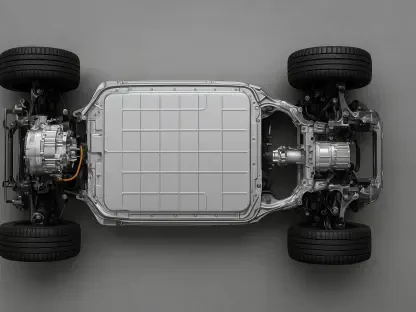
The transition into the core segment marks a pivotal moment for the Kecskemét site, as it moves beyond its historical focus on compact entry-level models to embrace the production of the brand’s most critical high-volume luxury vehicles. This expansion integrates the assembly of the new electric C-Class and the electric GLC into the existing workflow, requiring a sophisticated overhaul of the facility’s logistics and technical capabilities to accommodate the heavier and more complex architectures of these modern machines. The introduction of these models signifies a move toward higher value-added production, positioning the plant as a lead location for the brand’s medium-sized electric vehicle portfolio. By taking on the responsibility for these flagship electric models, the Hungarian facility has secured its role as a vital node in a global network that prioritizes technological leadership and premium quality. This shift is accompanied by massive investments in infrastructure that allow for the seamless integration of high-voltage battery systems and advanced driver-assistance components that define the current generation of mobility.
Furthermore, the facility has been designated as the exclusive production site for a specialized compact version of the legendary G-Class, often referred to within the industry as the “Little G.” This decision underscores the manufacturer’s confidence in the site’s ability to handle highly technical and brand-defining projects that require a unique blend of rugged engineering and luxury refinement. Managing such a diverse portfolio—ranging from high-volume electric sedans to niche, iconic off-roaders—necessitates a production environment that is both specialized and highly versatile. The plant’s new assembly halls have been engineered to handle these various vehicle dimensions and technical requirements without sacrificing throughput or precision. This strategic diversification ensures that the facility remains insulated from shifts in specific market segments, providing a stable foundation for long-term operational growth while simultaneously pushing the boundaries of what a modern automotive plant can achieve in terms of product variety and technical complexity.
Digital Mastery: Revolutionizing Assembly Through Digital Twin Integration
Central to the facility’s technological evolution is the implementation of a comprehensive Digital Factory Twin, a high-fidelity virtual replica of the entire production environment that mirrors every robot, conveyor, and workstation in real-time. This sophisticated software tool allows planning engineers to simulate the entire manufacturing process in a risk-free virtual space long before the first physical component is ever placed on the assembly line. By stress-testing the production flow and identifying potential bottlenecks or equipment collisions in the digital realm, the team can refine the plant’s layout and programming with surgical precision. This proactive approach significantly reduces the likelihood of costly errors during the physical installation phase, ensuring that new production lines are optimized for maximum efficiency from the moment they are activated. The use of digital twins has effectively bridged the gap between theoretical design and physical execution, allowing for a level of foresight that was previously impossible in traditional automotive manufacturing.
This digital-first methodology is the driving force behind the “Friday-to-Monday” conversion strategy, which allows the facility to implement major technical upgrades over the course of a single weekend. Because every software update and hardware configuration has already been validated within the virtual twin, the physical transition can occur with minimal disruption to the plant’s standard operating schedule. This capability is particularly crucial when transitioning to complex models like the electric C-Class, where the integration of new drivetrain technologies requires significant adjustments to the assembly process. The ability to verify logistics and robotic movements in a simulated environment means that when the shift starts on Monday morning, the facility is already running at peak performance with the new configurations. This seamless transition capability not only protects production volumes but also maintains the rigorous quality standards that customers expect from a luxury brand, proving that digital maturity is a prerequisite for success in the modern manufacturing landscape.
Operational Agility: Cultivating Workforce Development in a Hybrid Environment
To navigate the complexities of a market that currently demands both electric and internal combustion engine options, the plant has implemented flexible production axes that provide unparalleled adaptability on the assembly floor. This structural design allows the facility to produce different vehicle types—regardless of their powertrain—on the same production line, shifting output volumes based on real-time market data and customer preferences. This flexibility is a critical competitive advantage, as it enables the plant to respond instantly to changes in consumer demand without the need for expensive and time-consuming retooling of separate facilities. The modular nature of the production axes ensures that as the brand’s portfolio continues to evolve, the Kecskemét site can integrate future models with ease. This hybrid approach to manufacturing ensures that the facility remains highly utilized and efficient, regardless of whether the prevailing market trend leans toward traditional fuel sources or purely electric battery power, creating a resilient industrial ecosystem.
While high-level automation and digital systems are essential, the success of this transformation relies heavily on the skills and adaptability of the professional workforce stationed on the factory floor. Through the Mercedes-Benz Academy, employees are integrated into the digital planning process early on, providing invaluable feedback on ergonomics, safety, and workflow efficiency based on their practical experience. This collaborative approach ensures that the digital twin reflects the reality of physical labor, leading to more intuitive workstation designs and reduced physical strain for the operators. Workers undergo intensive training on digital platforms before moving to training islands, where they can practice complex assembly tasks on real components in a controlled environment. By the time a new model or technology reaches the main assembly line, the staff is already proficient in the new procedures, ensuring a smooth and confident transition. This investment in human capital ensures that technology serves to augment human expertise rather than replace it, fostering a culture of continuous improvement and technical excellence.
Standard Excellence: Implementing Intelligent Quality Assurance and Green Infrastructure
Quality control has undergone a radical transformation with the deployment of the Octopus system, an advanced artificial intelligence vision tool that utilizes collaborative robots to perform comprehensive vehicle inspections. These robots are equipped with high-resolution cameras and sensors that allow them to scan every inch of a vehicle’s interior and exterior, identifying even the smallest deviations from the master design. The system is designed to learn from every car it inspects, using machine learning algorithms to constantly refine its detection capabilities and accuracy over time. This real-time feedback loop provides immediate data to the production team, allowing them to address any quality issues at the source before the vehicle moves to the next stage of assembly. By automating the most repetitive and visually demanding aspects of quality assurance, the Octopus system ensures a level of consistency and precision that surpasses traditional manual inspection methods, reinforcing the brand’s commitment to delivering flawless luxury products to a global clientele.
Parallel to these digital advancements, the facility has integrated aggressive sustainability initiatives into its core operations, highlighted by a massive on-site solar park that provides a significant portion of the plant’s energy requirements. The transition toward carbon-neutral production is further supported by the construction of new paint shops and assembly facilities designed to operate entirely without the use of fossil fuels. These state-of-the-art buildings utilize advanced heat recovery systems and water-saving technologies to minimize their environmental footprint while maintaining the high standards required for luxury automotive finishes. Beyond energy efficiency, the plant has also dedicated substantial areas of its grounds to local biodiversity, creating wildflower meadows and habitats that allow the industrial site to coexist harmoniously with the surrounding Hungarian landscape. This holistic approach to environmental responsibility demonstrates that industrial scaling and ecological preservation can go hand-in-hand, setting a standard for sustainable manufacturing in the premium automotive sector.
Strategic Logistics: Optimizing the Local-for-Local Supply Chain Model
The local-for-local production strategy has revolutionized the plant’s logistics by concentrating the assembly of major components, such as high-voltage battery systems, directly within or adjacent to the main facility. By situating key suppliers in a nearby industrial park, the plant has effectively shortened its supply chain, reducing the risks associated with global shipping delays and logistical bottlenecks. This “one roof” concept streamlines the flow of materials, ensuring that parts arrive at the assembly line exactly when they are needed, which minimizes the requirement for large on-site inventories. The use of electric heavy-duty trucks for transporting components between the supplier park and the factory further reduces the carbon emissions associated with production, aligning the logistics network with the company’s broader sustainability goals. This localized approach not only enhances operational efficiency but also strengthens the local economy, creating a tight-knit industrial cluster that is capable of rapid innovation and collective problem-solving in a volatile global market.
In the final analysis, the strategic overhaul of the Kecskemét facility successfully demonstrated how traditional automotive manufacturing could be reimagined for a digital and sustainable future. The integration of artificial intelligence and digital twin technology allowed the organization to achieve levels of precision and flexibility that were previously unattainable, while the commitment to green energy proved that high-output industrial centers could operate with environmental sensitivity. By prioritizing the development of its workforce alongside technological upgrades, the plant established a balanced ecosystem where human skill and machine efficiency worked in perfect tandem. These efforts ultimately provided a scalable model for other global facilities, showing that the path to long-term competitiveness laid in the seamless fusion of virtual planning and physical execution. Moving forward, the lessons learned from this transformation offered a clear roadmap for organizations seeking to navigate the complexities of the electric transition, suggesting that the most successful manufacturers were those who viewed digitalization not just as a tool, but as the very foundation of their industrial identity.