
The persistent challenge of urban congestion combined with the tightening of emission regulations has created an urgent need for small, efficient, and above all, affordable electric vehicles. Renault is attempting to meet this demand by resurrecting one of its most legendary nameplates, positioning the Twingo E-Tech Electric as the definitive solution for the modern metropolitan landscape. This vehicle represents the final stage of a broader “retro-futuristic” product offensive, joining the recently launched Renault 5 and Renault 4 to form a cohesive lineup of accessible battery-electric vehicles. By leveraging a deep well of nostalgic design language while simultaneously pushing the boundaries of rapid engineering through its dedicated Ampere division, the manufacturer has signaled a new era of agility. This strategic move is not merely about reviving a classic aesthetic; it is a calculated effort to reclaim market share in an entry-level segment that has increasingly become the playground of overseas competitors. The car serves as a testament to the idea that sustainable mobility does not have to be an expensive luxury, but can instead be a functional, expressive, and widespread reality for the everyday driver navigating the complexities of current city life.
Melding Heritage with Modern Design
The Aesthetic Vision: Reinterpreting an Icon
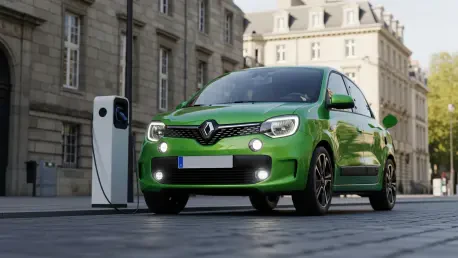
The exterior styling of this electric city car intentionally avoids the aggressive and hyper-technical appearance common in contemporary SUVs, opting instead for a friendly and expressive personality that mirrors the original 1992 design. Designers utilized modern LED technology to recreate the distinctive “frog-like” semi-circular headlights, which now incorporate high-definition graphics to mimic the expressiveness of human eyes. This approachable face is further emphasized by a front grille shaped to suggest a subtle smile, a move intended to position the vehicle as a cheerful companion rather than a sterile machine. By blending these nostalgic cues with a clean, minimalist silhouette, the design team has managed to capture the whimsical spirit of the past while ensuring the vehicle looks appropriate for the high-tech requirements of current urban environments. This emotional connection is a key differentiator in a market often dominated by utilitarian or overly aggressive designs, allowing the car to stand out through charm and character.
Beyond the emotional appeal of its face, the vehicle incorporates several clever nods to its heritage that serve modern functional purposes. The hood features three small openings that pay homage to the air intakes of the first-generation model, though they now function as high-resolution battery level indicators that allow the owner to check the state of charge from outside the car. While the overall length remains compact at under 12.5 feet, the switch to a dedicated electric platform has allowed for extremely short overhangs and a wheels-at-the-corners stance that maximizes the interior footprint. The inclusion of 18-inch diamond-cut alloy wheels and vibrant paint options, such as the signature Absolute Green, ensures that the vehicle maintains a premium and stylish presence despite its budget-friendly positioning. This balance of historic reverence and contemporary flair suggests that the manufacturer understands the importance of visual identity in an increasingly crowded and homogenous electric vehicle marketplace.
Practical Evolution: The Transition to Five Doors
One of the most significant departures from the original concept is the shift from a three-door layout to a more versatile five-door configuration, a change dictated by the needs of modern urban users who demand easier access to the rear seats. Despite this increase in door count, the designers have cleverly concealed the rear door handles within the C-pillar to maintain the sleek, unbroken profile traditionally associated with smaller city coupes. This evolution ensures that the vehicle can comfortably accommodate a wider variety of scenarios, from picking up passengers to loading groceries, without sacrificing its compact and nimble dimensions. The five-door architecture also reflects a broader industry trend where buyers in the A-segment are no longer willing to compromise on accessibility for the sake of styling, pushing manufacturers to innovate within very tight physical constraints.
The physical dimensions of the car are specifically tailored for the dense traffic of European cities, making it exceptionally easy to park and maneuver through narrow side streets. By keeping the total length remarkably short, the vehicle can utilize parking spaces that larger EVs would find impossible to navigate, yet the clever use of vertical space ensures it does not feel diminutive when surrounded by larger traffic. The integration of high-strength, lightweight materials in the chassis construction helps offset the weight of the battery pack, maintaining a level of agility that has long been a hallmark of the brand’s smaller models. This engineering focus on urban utility, combined with the practical advantages of the extra doors, positions the car as a highly rational choice for city dwellers who need a tool that is both functional and easy to live with on a daily basis.
Urban-Centric Engineering and Charging
Performance Optimization: Efficiency for the City
The mechanical heart of this vehicle is a 27.5kWh battery pack, a capacity that was specifically chosen to balance range requirements with the need to keep the vehicle lightweight and affordable. This battery powers an 80-horsepower electric motor that provides immediate torque, ensuring the car is responsive and energetic during the frequent stop-and-go cycles of metropolitan driving. While some might view the battery size as modest, it is perfectly calibrated for the average European daily commute, offering a range of approximately 163 miles on a single charge. For the typical urban user, this means the car may only require a full recharge once a week, significantly reducing the dependency on constant plug-in access and making it a viable option for those who live in apartments without dedicated charging infrastructure.
The engineering philosophy behind this powertrain emphasizes “right-sizing” rather than the pursuit of excessive range that most city drivers will never utilize. By avoiding the heavy and expensive battery packs found in larger long-range EVs, the manufacturer has succeeded in keeping the overall weight of the car low, which in turn improves energy efficiency and tire longevity. This lean approach also pays dividends in terms of driving dynamics, as the car feels light on its feet and requires less energy to accelerate and brake. The integration of the electric motor and power electronics into a compact single-unit drive module further optimizes space, allowing for more room inside the cabin while keeping the mechanical footprint as small as possible. This focus on efficiency over raw power demonstrates a sophisticated understanding of the specific demands of urban mobility.
Charging Infrastructure: Flexibility and Utility
Charging speed is a critical factor for any electric vehicle, and this model addresses it by supporting 100kW DC fast charging, allowing the battery to go from 15% to 100% in roughly thirty minutes. This capability is especially useful for drivers who rely on public charging hubs, as it minimizes the time spent waiting at a station during a busy day. For those with access to home or workplace charging, a standard 7kW wallbox can replenish the battery in just over four hours, making it an ideal candidate for overnight charging or during a standard work shift. By providing a variety of charging options, the manufacturer ensures that the vehicle can fit into diverse lifestyles, whether the owner has a private driveway or depends entirely on the expanding network of public chargers.
A standout technological inclusion for a vehicle at this price point is the implementation of Vehicle-to-Load (V2L) technology, which transforms the car into a mobile power source. This system allows users to plug in and power external electrical devices directly from the vehicle’s main battery via a standard outlet, providing a level of versatility that is rare in the entry-level segment. Whether it is charging a laptop during a mobile work session or powering an electric scooter for the final leg of a journey, the V2L feature adds a layer of practical value that appeals to a tech-savvy audience. This integration highlights how the car is viewed not just as a means of transportation, but as a central component of a wider digital and energy ecosystem, reflecting the evolving expectations of the modern consumer.
Inside the Twingo E-Tech
Spatial Ingenuity: Balancing Comfort and Size
The interior of this model remains faithful to the heritage of the original by being “deceptively spacious,” an achievement made possible by pushing the wheels to the extreme corners of the platform. This design choice maximizes legroom for all occupants, creating a cabin that feels significantly more open than its external dimensions would suggest. The interior design language is vibrant and youthful, featuring color-coordinated accents and tactile materials that give the space a premium feel without the high cost of traditional luxury finishes. Practicality is further enhanced by rear seats that can slide independently, allowing the owner to prioritize either passenger comfort or trunk volume depending on the immediate need. This flexibility is a core part of the vehicle’s identity, ensuring it remains as useful for a solo grocery run as it is for a trip with three friends.
However, the pursuit of a compact footprint does lead to some necessary compromises in terms of overall capacity and refinement. The vehicle is strictly a four-seater, which might limit its appeal for larger families or those who frequently need to carry a fifth passenger for short trips. Additionally, the sloping roofline designed to improve aerodynamic efficiency can result in limited headroom for taller passengers seated in the rear. While the cabin is well-constructed, the use of lightweight insulation materials to maintain efficiency means that road and wind noise can become more noticeable at higher highway speeds compared to larger, more expensive vehicles. Despite these trade-offs, the interior remains a masterclass in space management, providing a modern and comfortable environment that punches well above its weight class in the city car segment.
Digital Integration: The Smart Cockpit Experience
The technological centerpiece of the cabin is a 10.1-inch high-resolution touchscreen running the OpenR Link infotainment system with Google built-in. This native integration provides seamless access to essential services like Google Maps and Assistant, ensuring that navigation and media control are as intuitive as using a smartphone. A unique feature of this digital ecosystem is “Reno,” an AI-driven avatar that utilizes ChatGPT integration to offer a conversational interface for vehicle settings and general inquiries. This allows drivers to interact with the car in a more natural way, asking questions about range or local points of interest without having to navigate through complex menus. The system is designed to be future-proof, with over-the-air updates ensuring that the software remains current and gains new features over the course of the vehicle’s lifespan.
To complement the visual technology, the manufacturer has partnered with electronic music pioneer Jean-Michel Jarre to develop a bespoke auditory experience for the vehicle. This collaboration includes a high-quality six-speaker sound system and a custom “welcome soundtrack” that plays when the driver enters the car, as well as a specific external sound for low-speed pedestrian warnings. These auditory elements are designed to create a distinct brand identity and enhance the premium feel of the interior, making the daily commute more engaging. By combining sophisticated AI assistants with high-end audio engineering, the car offers a level of digital sophistication that is often reserved for much more expensive models. This focus on the “user experience” rather than just “specs” reflects a shift in how modern consumers evaluate vehicles, prioritizing connectivity and ease of use.
Safety and Economic Strategy
Security: Advanced Assistance in a Small Package
Despite its entry-level positioning, the vehicle is equipped with a comprehensive suite of 24 advanced driver assistance systems (ADAS) designed to meet the most stringent safety standards. These systems include adaptive cruise control with “Stop & Go” functionality, which is particularly useful for reducing driver fatigue during heavy urban traffic. Other critical safety features such as emergency lane-keeping assist and automated emergency braking provide a digital safety net, ensuring the car remains stable and secure in unpredictable driving conditions. The manufacturer has also introduced a “Safety Coach” feature, which provides drivers with real-time feedback and a personalized safety score based on their driving habits. This gamified approach to safety not only encourages better behavior behind the wheel but could also lead to lower insurance premiums for responsible owners.
The focus on safety extends to the physical structure of the car, which has been engineered to provide maximum protection for occupants in the event of a collision. The battery pack is encased in a protective housing that is integrated into the chassis, enhancing structural rigidity while safeguarding the high-voltage components. For city drivers, the maneuverability of the car is a safety feature in itself, as the tight turning circle allows for quick evasive maneuvers and easy navigation of hazardous urban environments. The driving experience is further simplified by the inclusion of regenerative braking paddles on the steering wheel, allowing the driver to adjust the level of deceleration. In its most aggressive setting, this enables “one-pedal” driving, where the car can be brought to a complete stop simply by lifting off the accelerator, making it the ideal tool for navigating the complexities of modern city traffic with minimal effort.
Market Position: Accessibility as a Competitive Edge
The most vital component of the vehicle’s market strategy is its projected starting price of under £20,000, a figure that puts it in direct competition with budget-focused rivals and new entrants from overseas. This aggressive pricing is made possible by the efficiency of the Ampere division’s development process, which managed to bring the car from concept to production readiness in just 100 weeks. By significantly reducing the development timeline and utilizing shared components across the broader Renault-Nissan-Mitsubishi Alliance, the manufacturer has achieved economies of scale that were previously unthinkable for a European-made electric vehicle. This economic strategy is designed to make electric car ownership accessible to a much wider demographic, effectively removing the “price barrier” that has hindered EV adoption in the past.
To further strengthen the economic case for the car, the manufacturer offers an extensive eight-year battery warranty and a low “Benefit in Kind” rating for business users, making it an attractive option for both private buyers and fleet operators. The low running costs associated with a lightweight electric vehicle, combined with the projected high residual values of a modern “retro-classic,” suggest that the total cost of ownership will be significantly lower than that of an equivalent internal combustion engine car. By positioning the vehicle as a smart financial decision as well as a stylish lifestyle choice, the brand is making a strong push to lead the transition to sustainable urban mobility. The combination of rapid development, competitive pricing, and a trusted service network ensures that this model is well-prepared to defend European territory in the increasingly globalized electric vehicle market.
Charting the Path Forward: Strategic Implications
The introduction of this vehicle has successfully demonstrated that the transition to electric mobility does not require a total abandonment of historical identity or the acceptance of prohibitively high costs. By prioritizing an accelerated development cycle and focusing on the specific needs of urban environments, the manufacturer proved that established European brands can match the speed and price points of global competitors. This project highlighted the effectiveness of specialized divisions like Ampere in streamlining engineering workflows and reducing the time from design board to the showroom floor. The vehicle transitioned from a conceptual exercise to a production-ready reality in a timeframe that was nearly half the traditional industry standard, setting a new benchmark for how future models will be brought to market in a rapidly evolving sector.
For the modern consumer, the arrival of such an accessible and tech-forward city car shifted the conversation from “when” to “how” they will make the switch to electric power. The practical integration of features like Vehicle-to-Load and AI-driven infotainment systems showed that entry-level vehicles no longer need to be stripped-down versions of more expensive counterparts. Moving forward, the industry must look toward the expansion of localized charging infrastructure to fully support the influx of these smaller-battery vehicles, ensuring that the convenience of urban EVs is not stifled by a lack of public support. Manufacturers who continue to blend emotional design with high-speed technological innovation will likely find themselves at the forefront of a more sustainable and inclusive automotive future. This approach has established a blueprint for how legacy companies can reinvent themselves while remaining grounded in the values that made them successful in the first place.