
The global logistics industry is rapidly transitioning from a period of experimental technological adoption to a disciplined era where hardware, software, and human expertise converge into a unified operational framework. Instead of chasing the latest robotic trends for marketing prestige, modern supply chain leaders are now prioritizing the seamless integration of specialized equipment to resolve chronic productivity bottlenecks and enhance systemic resilience. This evolution signifies a move away from the “black box” approach to automation, where tools were once expected to function in isolation, toward a holistic model that values adaptability over raw mechanical speed. As warehouse managers face fluctuating market demands and tighter labor markets, the emphasis has shifted to how these sophisticated systems can be tailored to meet specific business objectives without disrupting existing workflows. By focusing on the interplay between digital intelligence and physical execution, organizations are redefining what it means to be an efficient logistics provider in a complex global market that demands constant agility.
Shifting Toward Purposeful Modernization
Strategic Integration: Aligning Technology with Commercial Value
Recent shifts in the logistics sector demonstrate that modernization is no longer about just keeping pace with competitors but about creating a definitive business case for every capital investment made on the warehouse floor. High-density storage solutions and goods-to-person systems are being deployed specifically to address the dual pressures of skyrocketing real estate costs and the persistent shortage of skilled manual labor. These systems allow facilities to maximize their existing footprint by utilizing vertical space that was previously inaccessible, thereby delaying the need for costly geographical expansions. Every decision to implement a new sortation system or an automated storage unit undergoes rigorous scrutiny to ensure it directly contributes to faster throughput and reduced error rates. Consequently, the industry is seeing a move away from generic automation toward bespoke configurations that reflect the unique profile of a company’s inventory, ensuring that technology serves the strategy rather than the other way around.
The financial rationale for these upgrades has become increasingly sophisticated as organizations look beyond initial purchase prices to consider the total cost of ownership over a multi-year horizon. By integrating advanced analytics with physical hardware, logistics firms can now predict maintenance needs and optimize energy consumption, providing a clearer path to achieving a return on investment within a predictable timeframe. Current industrial projections for efficiency gains from 2026 to 2028 suggest that these integrated systems will yield a significant reduction in operational overhead for early adopters. This level of planning is essential for maintaining liquidity while upgrading infrastructure that must remain operational for many years. Rather than attempting a complete overhaul of a distribution center, companies are opting for modular upgrades that can be tested and scaled as the business grows. This methodical progression ensures that the workforce can adapt to new tools while minimizing potential downtime.
Operational Scalability: Evolving from Novelty to Necessity
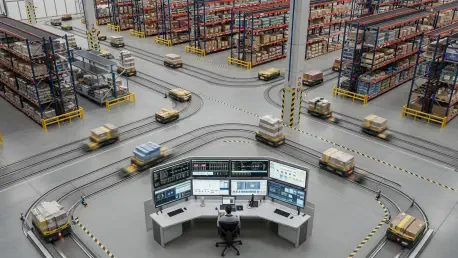
Robotics has successfully transitioned from being a high-tech novelty showcased at trade shows to becoming a fundamental, reliable component of daily warehouse operations across the globe. Autonomous mobile robots are no longer experimental additions; they are now essential tools that navigate complex environments alongside human workers to transport heavy loads and reduce physical strain. These machines leverage sophisticated lidar and AI-driven mapping to find the most efficient routes through a facility, which directly translates into higher productivity and fewer workplace accidents. The ability of these systems to handle repetitive and physically demanding tasks allows human employees to focus on more complex roles that require critical thinking and dexterity. This shift represents a broader cultural change within the industry, where technology is viewed as a supportive partner rather than a replacement for human talent. As these robotic fleets grow in size, their integration into standard operations is becoming a seamless part of the landscape.
Scaling these functional tools into large-scale operations requires a deep understanding of how various technologies interact within a shared digital ecosystem. Managers are increasingly focusing on the interoperability of different robotic platforms, ensuring that a picking robot from one vendor can communicate effectively with a sorting conveyor from another. This push for standardization is crucial for maintaining a flexible supply chain that is not beholden to a single manufacturer’s proprietary software. By building an open architecture, companies can swap out components or add new capabilities as their needs evolve, ensuring that their technological foundation remains robust. Moreover, the data generated by these machines provides invaluable insights into workflow inefficiencies that were previously hidden from view. Analyzing this information allows for continuous refinement of warehouse layouts and task assignments, driving further gains in efficiency. This iterative process of measurement and improvement distinguishes a modern operation.
Creating a Modern Operational Design
Strategic Safety: Protecting Personnel in Automated Environments
Modern warehouse design now treats safety as a foundational architectural element rather than an afterthought or a list of compliance regulations to be checked off after construction. By incorporating advanced sensor technology and smart physical barriers into the initial blueprint, organizations are creating environments where heavy machinery and human personnel can coexist with minimal risk. These systems utilize real-time location tracking and proximity alerts to automatically slow down or stop equipment when a person enters a designated hazard zone. This proactive approach significantly reduces the likelihood of collisions and injuries, fostering a culture of security and trust among the workforce. Additionally, fleet management software now includes detailed safety monitoring features that identify risky driving behaviors or mechanical issues before they lead to an incident. By integrating these safety protocols directly into the operational flow, companies ensure that high throughput does not come at the expense of employee well-being.
The evolution of safety technology also includes the use of digital twins, which are virtual representations of the warehouse used to simulate various scenarios and identify potential risks before any physical changes are made. These simulations allow managers to test the impact of new equipment or revised traffic patterns in a risk-free environment, ensuring that the final implementation is both efficient and safe. This level of detailed planning extends to the ergonomic design of workstations, where robotic assistants can adjust heights or provide lifting support based on the specific needs of the operator. By focusing on the human element within the automated system, businesses are reducing the incidence of long-term musculoskeletal injuries and fatigue. This holistic view of safety acknowledges that a truly productive facility is one where workers feel physically and mentally secure in their environment. As a result, safety has become a competitive advantage, attracting top-tier talent who prioritize working for organizations that invest in state-of-the-art protection.
Strategic Implementation: Adapting the Workforce for Growth
Connectivity has emerged as a cornerstone of modern logistics, where the seamless flow of data between software systems and physical hardware ensures that every movement is optimized for speed. The integration of Warehouse Management Systems with automated picking equipment provides managers with a granular, real-time view of inventory levels and order statuses. This visibility is essential for meeting the high expectations of contemporary consumers who demand rapid delivery and precise tracking information. By utilizing artificial intelligence to analyze incoming order data, facilities can predict demand surges and adjust their resource allocation accordingly, preventing bottlenecks before they occur. This type of connected fulfillment allows for a more responsive operation that can easily accommodate sudden changes in the market or disruptions in the transportation network. The ability to link physical assets with digital intelligence transforms a traditional warehouse into a dynamic, adaptive node within a larger ecosystem.
The transition beyond simple automation toward a more integrated and human-centric logistics model required a fundamental shift in how leadership approached technology and personnel. It was observed that the most successful implementations occurred when companies prioritized comprehensive training programs that empowered employees to work effectively alongside sophisticated machinery. Leadership recognized that the path to resilience involved developing a culture of continuous learning where workers were encouraged to acquire new skills in data analysis and robotics maintenance. It became clear that the goal of modernization was not to eliminate the human element but to elevate it by removing mundane tasks and providing tools that enhanced decision-making. Future investments were directed toward modular and interoperable systems that grew in parallel with the business, ensuring long-term flexibility. Decision-makers were advised to maintain a clear focus on the strategic business case for every new tool, ensuring technology served specific challenges while building a foundation for sustainable growth.