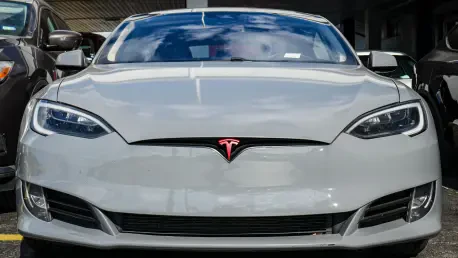

The completion of the ten-millionth electric vehicle at the Shanghai Gigafactory signifies a profound transformation in industrial history, demonstrating that the world has definitively moved past the era of internal combustion dominance. This milestone is not merely a reflection of high sales volume but serves as a testament to the radical efficiency of vertical integration and the successful scaling of complex battery technologies. While critics once questioned the feasibility of global mass production for high-performance electric cars, the rapid acceleration of output across multiple continents has silenced skepticism. The achievement underscores a shift in consumer behavior, where digital-first, sustainable transport is now the baseline expectation for new buyers. As the industry observes this transition, the focus moves from basic manufacturing viability to the optimization of global logistics and the refinement of software-driven features that define the modern ownership experience.
Global Manufacturing Excellence and Regional Scaling
Strategic Dominance of the Shanghai Production Hub
Giga Shanghai continues to function as the primary engine of global growth, utilizing a highly streamlined supply chain that minimizes reliance on external volatile markets. By sourcing nearly all critical components within a short radius of the facility, the plant has achieved a level of operational harmony that remains a benchmark for the entire automotive sector. The integration of advanced robotics with a skilled workforce allows for a continuous production cycle that adapts in real-time to shifting demand patterns across the Asian and European markets. This localized approach has effectively insulated the production process from broader macroeconomic shifts, ensuring that delivery targets are met with surgical precision. The factory’s ability to scale from its initial foundation to contributing significantly to the ten-millionth vehicle milestone highlights the effectiveness of the regional hub model. As this facility continues to evolve, it provides a blueprint for future sites.
Operational Scaling Across Texas and Berlin Facilities
The expansion into Western markets through the Texas and Berlin Gigafactory sites has provided the necessary geographic balance to support a truly global fleet. These facilities have pioneered the use of massive single-piece castings, which drastically reduce the number of welds and individual components required for the vehicle frame. This innovation not only simplifies the assembly process but also enhances the structural integrity and safety of the final product while significantly lowering overall manufacturing costs. By bringing battery cell production in-house at these locations, the organization has secured its most vital resource, ensuring that the pace of vehicle assembly is never throttled by third-party constraints. The synergy between these continental hubs allows for a more responsive distribution network, significantly reducing the time between order placement and customer delivery. This decentralized manufacturing strategy ensures the brand remains resilient against regional challenges.
Artificial Intelligence and Next Generation Platforms
Leveraging Massive Fleet Data for Autonomous Advancements
With ten million vehicles now traversing global roadways, the volume of real-world driving data available for neural network training is unprecedented in the history of artificial intelligence. Each vehicle acts as a mobile sensor, capturing complex traffic scenarios and edge cases that are impossible to simulate accurately in a laboratory setting. This massive data set allows for the continuous refinement of autonomous driving software, enabling systems to handle diverse environmental conditions and unpredictable human behaviors with increasing reliability. The advantage of this scale is a self-reinforcing loop where more vehicles on the road lead to better software, which in turn attracts more customers seeking the latest in safety technology. As the transition toward full autonomy nears its final stages, the existing fleet represents a latent network of potential robotaxis. This software-first philosophy transforms hardware into a sophisticated platform that improves through iteration.
Next-Gen Platforms and Universal Mobility
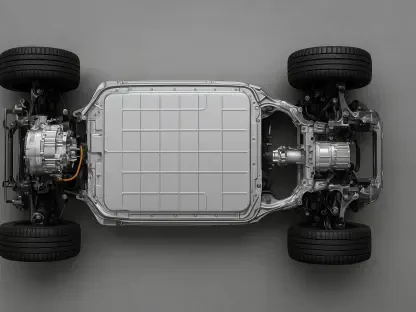
The focus shifted toward the deployment of a new architectural platform that prioritized extreme cost efficiency without compromising on the core technological advantages of the ecosystem. Engineers successfully implemented the unboxed manufacturing process, which allowed for various sub-assemblies to be completed in parallel before final integration, further reducing the factory footprint and capital expenditure. This breakthrough paved the way for more affordable models, ensuring that the benefits of electrification reached a broader demographic of global drivers. Strategic decisions were made to integrate power electronics and drivetrain components into a single, more efficient unit, which maximized range while minimizing material usage. Industry leaders recognized that the path forward required a relentless pursuit of simplicity in design to maintain a competitive edge. By finalizing these advancements, the groundwork was laid for the next ten million vehicles to be produced even faster in a shifting market.