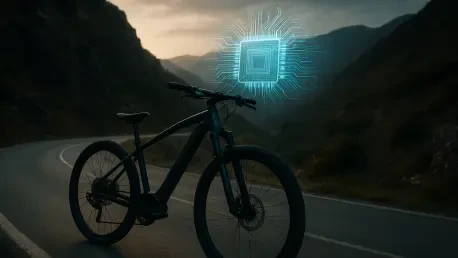

The mid-to-premium electric motorcycle segment, specifically those with 3 to 7 kW power ratings, is emerging as a primary commercial catalyst for advanced digital service adoption. This transition is not merely a cosmetic update to the dashboard but represents a fundamental shift in how riders interact with their vehicles on a daily basis. As of 2026, the global landscape for two-wheeled transportation is distancing itself from purely mechanical engineering, favoring a hybrid approach that merges high-performance hardware with intricate software ecosystems. Current market intelligence suggests that the sector, valued at approximately $0.52 billion this year, will likely swell to $3.30 billion by 2033, maintaining a compound annual growth rate of over 30 percent. This rapid escalation is being driven by the convergence of telematics and the Internet of Things, creating an environment where every mile ridden generates valuable data for both the user and the manufacturer. The integration of 5G connectivity and edge computing ensures that these motorcycles are no longer isolated machines but active nodes within a broader transportation network that prioritizes efficiency and real-time responsiveness.
Beyond the impressive growth figures, the very nature of the motorcycle is changing into a continuous source of critical vehicle and rider data. Modern units are equipped with sophisticated Engine Control Units and Global Navigation Satellite System modules that communicate constantly with centralized cloud servers. In the burgeoning electric vehicle sector, these systems are augmented by Battery Management Systems that provide granular insights into energy consumption, cell health, and thermal performance. This wealth of information allows for the implementation of real-time services such as remote diagnostics and predictive maintenance, which can identify a failing component before the rider even notices a drop in performance. By processing this data through telematics control units, manufacturers can offer a seamless ownership experience that includes over-the-air updates. This capability ensures the vehicle’s software remains optimized and secure throughout its lifecycle without the inconvenience of visiting a physical service center for routine digital maintenance.
Structural Integration: Powering the Future
The Move Toward Factory-Integrated Connectivity
A major trend currently reshaping the industry is the decisive shift toward integrated hardware architectures where connectivity is built directly into the vehicle’s core electrical system. Historically, connectivity was often an afterthought, provided via standalone aftermarket devices that offered limited functionality and questionable security. However, Original Equipment Manufacturers have now prioritized factory-fitted telematics control units and eSIM technology to ensure a more robust and reliable connection. This factory-integrated approach offers several advantages, most notably in the realm of cybersecurity and data ownership. By controlling the hardware from the assembly line, manufacturers can implement end-to-end encryption and maintain tighter control over the data generated by the vehicle. This move also reduces the overall complexity of the motorcycle’s wiring, which is a critical factor for the latest generation of lightweight electric motorcycles where every ounce of weight and every watt of power management matters for performance and range.
The integration of these systems into the motorcycle’s fundamental architecture also allows for a more intuitive user interface. By weaving connectivity into the vehicle’s DNA, brands like BMW Motorrad and Ducati have successfully linked their telematics hardware directly to high-resolution Thin-Film Transistor displays. This allows riders to access navigation, media, and vehicle settings without relying on cumbersome external mounts or third-party applications that may not communicate well with the bike’s internal sensors. Furthermore, integrated systems provide a significant hurdle for theft, as the tracking and immobilization features are deeply embedded within the vehicle’s electronic control systems rather than being easily removable components. For the consumer, this translates into a more cohesive and professional experience that justifies the premium price point of connected models. Manufacturers are finding that customers are increasingly likely to choose these high-trim levels when the digital features are presented as a standard, seamless part of the machine’s performance profile.
Electrification: A Catalyst for Growth
The surge in motorcycle electrification is a primary catalyst for the adoption of advanced digital services, particularly within the mid-to-premium segments. These motorcycles are often marketed as high-value personal mobility products rather than mere utility tools, which naturally aligns them with a tech-savvy demographic that expects a smartphone-like experience. Because these vehicles feature larger battery capacities and more advanced digital interfaces, the owners demonstrate a much higher willingness to pay for premium digital features. For the manufacturer, this segment represents a lucrative opportunity to move beyond one-time hardware sales toward recurring revenue models. Connectivity allows for subscription-based services that include everything from advanced turn-by-turn navigation to sophisticated theft protection and real-time battery health monitoring. This shift is turning the traditional motorcycle dealership model into a software-supported relationship where the manufacturer stays connected to the customer long after the initial sale has been finalized.
By utilizing cloud-connected platforms, companies can now optimize battery performance across entire fleets based on real-time data collected from individual riders. This data-driven approach is essential for the long-term viability of electric motorcycles, as it allows engineers to see how batteries perform in various climates and under different riding styles. For example, brands like Ather Energy and LiveWire have set benchmarks in this category by integrating performance-oriented powertrains with software-heavy architectures. This allows a rider to access detailed ride statistics and remote diagnostics via a dedicated mobile app, while the manufacturer can use the aggregated data to push firmware updates that improve efficiency. These improvements are often delivered through the cloud, meaning a motorcycle can actually become more efficient or gain new features over time. This continuous optimization not only enhances the value of the vehicle but also builds strong brand loyalty by providing the rider with a sense that their machine is constantly evolving and improving through the latest technological breakthroughs.
Regional Leadership: Market Dynamics and Competition
North AmericA Leading Role in Digital Adoption
North America is currently positioned as the fastest-growing region in the connected motorcycle market, a trend largely attributed to a unique riding culture that prizes premium touring and large-displacement bikes. In this market, motorcycles are often used for long-distance travel and recreation rather than just short-distance commuting, which makes features like continuous GPS tracking and sophisticated infotainment highly desirable. Riders in the United States and Canada have shown a strong preference for high-value features such as emergency assistance, which can automatically alert authorities in the event of an accident in a remote area. Furthermore, the relatively high price point of premium motorcycles in this region has led to an increased demand for robust anti-theft systems and remote vehicle monitoring. As regional manufacturers continue their transition toward electric models, they are leveraging cellular connectivity to address common consumer concerns regarding charging infrastructure and battery range, effectively using software to mitigate the practical challenges of electrification.
The convergence of the Internet of Things and high-performance engineering in the North American market has also led to a significant increase in the use of rider analytics. Enthusiasts are increasingly interested in tracking their performance, including lean angles, acceleration rates, and braking efficiency, all of which are made possible through the sensors integrated into connected motorcycles. This data is often shared through social platforms or used for self-improvement, further embedding the motorcycle into the rider’s digital life. Additionally, the prevalence of high-speed cellular networks across the continent provides the necessary infrastructure for these data-heavy features to function reliably. Manufacturers operating in this region are finding that the inclusion of advanced connectivity is no longer a luxury option but a standard requirement to remain competitive. By focusing on these high-demand features, brands are able to maintain their premium status while providing a level of safety and convenience that was previously unattainable in the two-wheeler segment.
The Shift: Full-Stack Technology Partners
The competitive landscape of the motorcycle industry is rapidly moving away from simple component providers toward technology partners who offer comprehensive full-stack solutions. These key players are no longer just selling individual sensors or hardware units; they are providing entire ecosystems that include telematics control units, secure eSIM connectivity, and cloud-based data management platforms. This holistic approach is essential for manufacturers who want to bring connected motorcycles to market quickly without developing the entire software stack from scratch. Companies such as KPIT Technologies and Comodule have become vital partners for traditional motorcycle brands, offering the technical expertise needed to bridge the gap between mechanical engineering and digital connectivity. The primary advantage in the current market lies in the ability to link vehicle-level data with user-facing applications and cloud infrastructure without friction, ensuring that the rider has a smooth and reliable experience across all digital touchpoints.
This synergy between hardware and software is especially vital for the management of electric motorcycle fleets, where monitoring battery health and range is a critical operational factor. For commercial operators and individual owners alike, having real-time access to the state of charge and estimated range is essential for planning daily activities and reducing range anxiety. Full-stack technology partners provide the secure back-end infrastructure needed to handle these massive data streams while ensuring that user privacy and cybersecurity protocols are strictly maintained. As the market continues to evolve, the ability to offer a secure and integrated platform will become a major differentiator for motorcycle brands. Manufacturers are increasingly seeking partners who can offer scalable solutions that will grow alongside their connected fleets, allowing them to add new features and services as consumer demands change. This collaborative approach is accelerating the pace of innovation across the industry, ensuring that the next generation of motorcycles is as technologically advanced as any modern smartphone or luxury automobile.
Future Trends: Prioritizing Safety and Security
Safety: The Primary Driver of Consumer Adoption
While infotainment and navigation features are popular among modern riders, the most significant drivers for the widespread adoption of connected motorcycles remain safety and security. Industry consensus suggests that connectivity has become a fundamental pillar of the riding experience, with a heavy emphasis on tools that protect both the rider and the vehicle. Automatic crash notifications, which use onboard accelerometers and gyroscopes to detect an accident and contact emergency services, have become one of the most sought-after features in the premium segment. Similarly, advanced theft recovery tools that allow a rider to track their vehicle’s location in real-time and remotely disable the engine have proven to be highly effective in reducing the impact of vehicle crime. These safety-focused technologies provide a tangible benefit that goes beyond simple convenience, offering peace of mind to owners who invest in expensive, high-performance machines.
The industry is also moving toward the concept of software-defined vehicles, where the performance and safety features of the motorcycle can be improved long after the initial sale. This allows for the continuous optimization of the vehicle’s traction control, ABS settings, and power delivery through remote software updates. By monitoring the health of a vehicle throughout its entire lifecycle, manufacturers can implement predictive maintenance schedules that reduce the total cost of ownership and prevent mechanical failures before they occur. This proactive approach to maintenance not only enhances the safety of the rider but also helps to maintain the resale value of the motorcycle. As these systems become more sophisticated, the data they generate will be used to create even more advanced safety features, such as vehicle-to-everything communication, which will allow motorcycles to interact with other vehicles and smart city infrastructure to avoid potential collisions.
Strategic Evolution: Preparing for a Connected Landscape
The motorcycle industry recognized that digital integration was the only viable path forward to maintain relevance in a rapidly changing global mobility market. Manufacturers successfully transitioned from being traditional hardware suppliers to becoming comprehensive service providers, emphasizing the importance of long-term software support and data-driven insights. By prioritizing user safety through automated emergency systems and enhancing security with advanced tracking, they built a new level of trust with a global consumer base. Stakeholders who invested early in full-stack connectivity solutions found themselves better positioned to handle the complexities of the electric transition, particularly in the management of large-scale battery data and the deployment of over-the-air updates. This strategic pivot allowed the industry to expand its market value significantly, reaching a point where connectivity became an expected standard rather than an optional luxury for the modern enthusiast.
Looking back at the progress made toward 2033, the focus shifted toward creating a unified ecosystem where the motorcycle, the rider’s mobile devices, and the smart city infrastructure worked in perfect harmony. This evolution was not just about adding new gadgets to the handlebars; it was a fundamental reimagining of the riding experience that prioritized efficiency, security, and performance optimization. The data generated by these connected fleets provided unprecedented value to the entire automotive supply chain, from engineers designing more durable components to insurers offering personalized rates based on riding behavior. These collective developments ensured that the decade was defined by a smarter and safer riding experience, proving that the integration of digital technology was the most significant advancement in the history of the motorcycle. For manufacturers, the next logical step involved deepening these digital relationships and exploring new ways to monetize the vast amounts of data generated by their connected fleets.