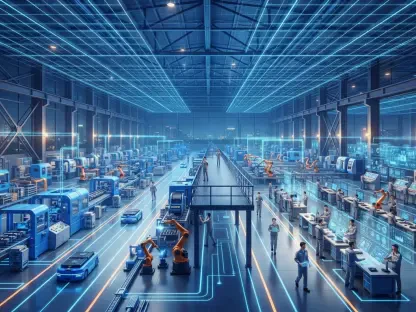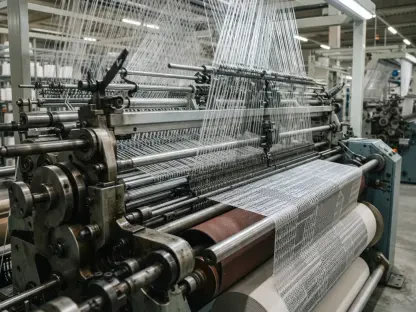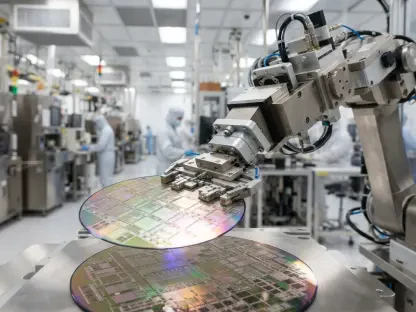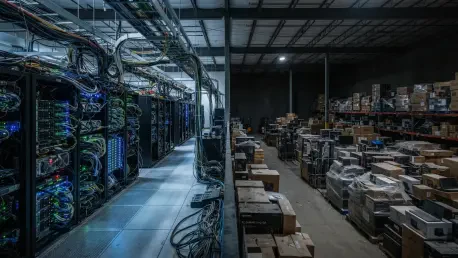

The stark contrast between a twenty percent drop in global PC sales and the thirty-one percent surge in server CPU demand highlights a major divergence in hardware investment. As the current fiscal year progresses, the computing landscape is grappling with a “Dr. Jekyll and Mr. Hyde” dynamic where traditional consumer electronics are withering while enterprise infrastructure explodes. This shift is not merely a seasonal fluctuation but represents a structural realignment of the global technology economy. Original equipment manufacturers are being forced to reconcile a reality where the personal device—once the crown jewel of the industry—is taking a backseat to the massive silicon arrays required to power the next generation of artificial intelligence. This environment places immense pressure on asset managers and technology vendors to pivot their business models toward backend services. The rapid transition underscores how the focus of digital innovation has moved from the pocket of the individual to the climate-controlled aisles of data centers.
The Stagnation of Consumer Hardware
The third quarter has witnessed a significant retreat in the smartphone market, as shipments reached a fourteen-year low point due to a convergence of economic pressures. A global shortage of memory components has persisted into the current months, driving up the average bill of materials for entry-level and mid-range devices. In response to these rising production costs, manufacturers have passed the burden to the consumer, leading to a noticeable elongation of device replacement cycles. Many users are now opting to repair or simply retain their existing hardware for several years longer than they did during the previous decade. This trend has been particularly devastating for the low-end market, where price sensitivity is most acute, leaving the premium segment as the only area of relative stability. High-value users continue to invest in top-tier technology, but their volume is insufficient to offset the massive contraction seen in the broader consumer base, forcing a strategic downsizing of mobile product portfolios.
Market Saturation and Inventory Challenges
Simultaneously, the personal computer sector is struggling to find its footing after a twenty percent year-over-year plunge in shipments to approximately sixty-two million units. This downturn is notably perplexing because it occurred during what should have been a robust back-to-school sales window. The anomaly stems from an inventory pull-forward that occurred earlier in the year, when vendors aggressively stocked shelves in anticipation of supply chain bottlenecks and potential price hikes. This maneuver led to a saturated retail channel and a subsequent lack of fresh demand as the year progressed. Despite these grim statistics, the industry is showing signs of maturation rather than collapse. PC manufacturers are increasingly repositioning themselves as holistic technology providers, integrating their specialized hardware with emerging AI software ecosystems to provide more value. By pivoting away from a reliance on sheer hardware volume, these companies are attempting to find a sustainable path forward that aligns with the broader enterprise movement.
The Infrastructure Boom and AI Demand
While consumer hardware languishes, the enterprise infrastructure sector is experiencing an unprecedented boom driven by the rapid deployment of agentic AI services. Server CPU shipments are on a trajectory to grow by thirty-one percent throughout this year, with even more aggressive acceleration anticipated as businesses transition from training large language models to active inference. This surge in demand is fundamentally altering the internal composition of the data center, requiring more powerful and energy-efficient processing units to handle complex real-time tasks. Organizations are no longer content with general-purpose hardware; they are seeking specialized silicon that can manage the massive data throughput required for autonomous digital agents. This transition has sparked a competitive race among semiconductor manufacturers to deliver higher core counts and integrated accelerators. Consequently, the revenue lost in the consumer sector is being rapidly reclaimed in the server market, though the technical requirements are more rigorous.
Architectural Shifts and the ARM Ascent
This infrastructure expansion is accompanied by a tectonic shift in computing architecture, as ARM-based processors aggressively penetrate the server market once dominated by x86 systems. Predictions suggest that ARM-based silicon will capture twenty percent of the server CPU market by the end of the year, with its share expected to reach thirty percent in the near future. This trend is largely propelled by major cloud service providers who are developing their own custom processors to optimize performance for specific AI workloads. By designing hardware in-house, these providers can achieve better power efficiency and lower operational costs compared to using off-the-shelf components. The result is a highly heterogeneous data center environment where proprietary silicon exists alongside traditional platforms. This diversification presents a challenge for software developers who must now ensure compatibility across a wider array of hardware architectures, but it also fosters a level of innovation and competition that has not been seen in the server industry for years.
Logistical Hurdles in IT Asset Disposition
The bifurcation of the computing market has created complex logistical hurdles for the IT asset disposition and recycling sectors. As consumers and businesses extend the life of their endpoint devices, the hardware eventually entering the recycling stream is significantly older than what was seen in previous cycles. This “graying” of the device pipeline means that refurbishers are receiving equipment with lower resale value, which in turn squeezes profit margins that were historically built on high-turnover consumer tech. The secondary market for smartphones and laptops is becoming increasingly difficult to navigate as the gap between the latest technology and decommissioned units continues to widen. Recycling firms must now find ways to extract value from aging components while managing the costs of processing hardware that may no longer meet modern performance standards. This shift necessitates a move away from volume-based processing toward more efficient material recovery strategies that can capitalize on the components found within these older devices.
The Maturation of Enterprise Recovery Solutions
Successful enterprises in this evolving landscape prioritized the development of specialized technical expertise capable of managing complex AI-centric infrastructure. The decommissioning of high-value server arrays provided a lucrative stream of specialized components, but harvesting this value required sophisticated testing and verification protocols. Organizations invested in rigorous data security standards to handle the sensitive information stored on enterprise-grade hardware. By implementing precise reporting on material recovery yields, recycling firms bridged the gap between asset disposal and the circular economy. These entities moved beyond simple logistics and became essential partners in the enterprise lifecycle, offering a level of security and technical depth that volume-based recyclers could not match. As the server boom matured, those who mastered the intricacies of proprietary silicon and heterogeneous hardware platforms secured a dominant position in the recovery market, ensuring that the hardware of the AI era was handled with efficiency.