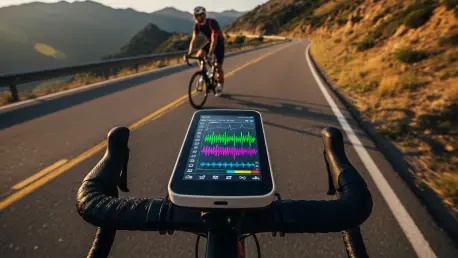

The grueling reality of a one-thousand-mile bicycle trek offers an unparalleled environment for testing the durability and accuracy of modern respiratory monitoring systems under sustained physiological stress. When an athlete traverses varying altitudes, the sheer volume of biometric data generated provides a unique blueprint for how medical technology might perform in the hands of a typical patient. This endeavor is not merely a feat of human strength but serves as a mobile laboratory for the latest advancements in MedTech, specifically focusing on how respiratory devices can transition from static clinical tools to dynamic daily companions. As these riders push through exhaustion, the sensors they carry must maintain high-fidelity readings of blood oxygen saturation and lung capacity without succumbing to the interference of sweat or shifting environmental pressures. Consequently, the insights gained from such extreme scenarios are currently reshaping the foundational designs of portable medical devices, ensuring they are both resilient and reliable.
Engineering Resilience: The Intersection of Performance and Technology
Robust Hardware: Adapting to Extreme Environmental Conditions
Developing medical sensors that survive a multi-day journey across diverse terrains requires a fundamental shift in how engineers approach material science and device architecture. In a traditional hospital setting, equipment is rarely subjected to the mechanical vibrations and rapid temperature fluctuations inherent in long-distance cycling. Identifying failure points in battery housing and sensor adhesion remains a priority during these high-stakes field tests that expose weaknesses in current commercial designs.
The necessity for lightweight designs in endurance sports mirrors the needs of elderly patients who require unobtrusive health monitoring. This synergy between athletic performance and clinical utility accelerates the production of hardware that is both high-performing and durable. Transitioning from high-stakes athletics to general medical practice is thus driven by a need for reliability that only real-world stress testing can provide to ensure the safety of every patient in the current healthcare landscape.
Data Integrity: Managing Signal Noise in High-Motion Scenarios
One of the most persistent challenges in wearable respiratory technology involves filtering out the noise created by rapid body movements and irregular breathing patterns. During a long ride, the cyclist’s body is in constant flux, creating motion artifacts that can be mistaken for distress by automated systems. To address this, developers are refining digital signal processing techniques that distinguish between the rhythmic vibrations of a bicycle and actual respiratory rates to ensure high accuracy for all users.
Beyond sensor accuracy, synchronizing massive datasets across varied geographical regions introduces complex logistical difficulties for data management. As the rider moves through areas with intermittent coverage, devices must possess intelligent buffering to prevent data loss. Implementing edge computing allows these wearables to process critical information locally, ensuring that immediate health insights are available regardless of location, which is vital for patients living in rural healthcare settings today.
Clinical Transformation: Scaling Specialized Tech for the General Population
Therapeutic Adherence: Enhancing the User Experience for Patients
The psychological impact of seeing cutting-edge medical technology utilized by elite endurance athletes cannot be understated in its ability to reduce the stigma associated with chronic illness. For many patients, a visible medical device can feel like a burden. However, when these technologies are showcased as essential tools for extreme performance, the narrative shifts from one of disability to one of empowerment and proactive health management that significantly improves patient morale and therapy compliance.
Manufacturers are responding to this trend by prioritizing aesthetics and ergonomics, ensuring that the next generation of monitors looks and feels more like a consumer wearable. Simplifying the user interface has also become a focus, resulting in intuitive dashboards that use color-coded indicators for easier interpretation. This evolution in user-centric design ensures that life-saving data is easily understood, allowing for quicker intervention when health metrics deviate from the established baseline.
Strategic Advancements: Integrating Predictive Analytics and Care
The massive influx of data from endurance-based testing is paving the way for predictive analytics models that can anticipate respiratory crises before they occur. By analyzing correlations between heart rate variability and peripheral oxygenation, machine learning algorithms can now identify early warning signs of pulmonary fatigue. This shift from reactive to proactive care is a cornerstone of current medical advancements, where intervention becomes a matter of prevention rather than emergency response.
Industry stakeholders successfully prioritized the development of interoperable data standards and invested in trials that utilized real-world environments. This strategic move allowed for the creation of devices that remained accurate under demanding circumstances. By embracing the challenges of the open road, the medical community established a new benchmark for device durability. These advancements provided a clear roadmap for future innovations, ensuring that chronic care became more personalized and resilient.