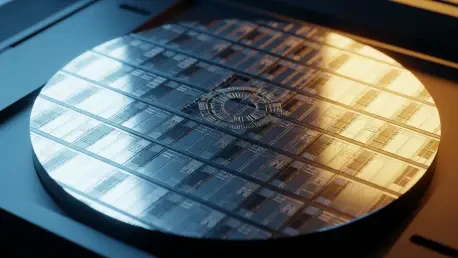

The semiconductor landscape is frequently defined by its relentless pursuit of high-speed, reprogrammable memory solutions like Flash and DRAM, yet a remarkably resilient segment known as Mask Read-Only Memory continues to thrive in the shadow of these modern giants. Unlike its electronically erasable counterparts, Mask Read-Only Memory, or Mask ROM, is a specialized non-volatile memory where data is permanently etched into the silicon during the fabrication process using a photographic mask. This “hard-wired” approach ensures that once the information is written, it remains immutable and stable throughout the entire lifecycle of the component. While the broader industry often focuses on the flexibility of software-defined hardware, the inherent permanence of Mask ROM offers a level of reliability and cost-efficiency that programmable alternatives simply cannot match at massive production scales. Consequently, this technology has moved from being viewed as a legacy solution to becoming a strategic cornerstone for high-volume manufacturing across a variety of industrial and consumer sectors.
The financial momentum behind this sector is currently reaching unprecedented levels as global demand for cost-effective, high-reliability memory continues to surge across diverse markets. Valued at approximately $78 billion in 2025, the global Mask ROM market has shown remarkable growth, with projections placing its valuation at over $93 billion as of early 2026. This upward trajectory is expected to accelerate dramatically over the coming decade, with industry experts forecasting a staggering market cap of $483.77 billion by the year 2035. This growth is underpinned by a compound annual growth rate of 20.1%, reflecting a shift in how manufacturers perceive long-term data stability. As the world becomes increasingly populated by billions of embedded systems, the need for memory that is both inexpensive to produce in bulk and immune to the corruption risks associated with rewritable storage has never been more critical. The current market dynamics suggest that rather than being replaced, Mask ROM is being reinvented as a vital component in the modern digital infrastructure.
Economic Superiority and the Power of Massive Scale
The primary driver of the sustained relevance of Mask ROM is its unparalleled cost efficiency when integrated into large-scale production environments. In the competitive world of consumer electronics, where profit margins are often razor-thin, the ability to reduce the cost-per-unit of memory is a significant competitive advantage. When production runs exceed one million units for a single design, the manufacturing costs associated with Mask ROM are roughly 40% lower than those of Flash memory or other programmable alternatives. This price disparity occurs because the data is integrated directly into the physical structure of the chip during the wafer fabrication process, eliminating the need for subsequent programming steps that add time and complexity to the assembly line. For nearly three-quarters of high-volume consumer electronics, this economic reality makes Mask ROM the default choice, allowing companies to allocate resources toward other hardware features while maintaining a low overall bill of materials.
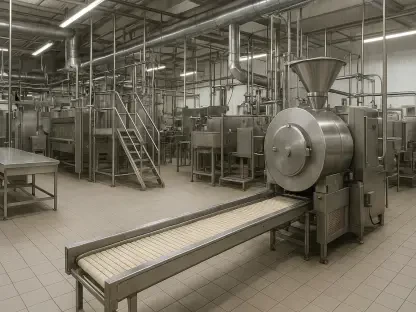
Beyond the immediate manufacturing savings, the utilization of legacy semiconductor fabrication nodes provides a secondary economic benefit that keeps the industry highly profitable. While the leading edge of the semiconductor world aggressively chases 3nm and 5nm process technologies for high-performance processors, the Mask ROM market thrives on established nodes, typically those above 90nm. This allows semiconductor foundries to keep older fabrication plants operational and productive, rather than decommissioning them as “obsolete” technology. Currently, nearly half of the world’s legacy fabrication capacity is dedicated to producing these essential memory chips, ensuring a steady supply for the market. By leveraging fully depreciated equipment and well-understood manufacturing processes, suppliers can offer high-quality memory at prices that are essentially impossible for newer, more complex memory technologies to match, creating a robust barrier to entry for many competitors.
Technical Integrity and Hardware-Level Security Measures
Reliability and data integrity serve as the fundamental technical pillars that support the enduring relevance of Mask ROM in an increasingly volatile digital landscape. Because the data is physically etched into the hardware at the atomic level, it is fundamentally immune to the wide range of software glitches, malicious viruses, and accidental power surges that can corrupt rewritable memory. This physical permanence creates a “root of trust” that is highly valued in industries where system failure is not an option. In safety-critical environments, such as the automotive and aerospace sectors, the inherent security of Mask ROM results in hardware failure rates that stay consistently below 0.01%. This is a crucial metric for engineers who must ensure that the core firmware governing braking systems, engine timing, or flight controls remains unchanged and functional regardless of external electronic interference or software-based attacks.
Furthermore, the energy optimization provided by Mask ROM offers a distinct technical edge, particularly as the global economy pivots toward portable and battery-powered electronics. Mask ROM chips consume approximately 35% less power than EEPROM during read operations, a characteristic that stems from their simpler circuit architecture and the absence of complex charge-trapping mechanisms. This efficiency is a decisive factor for manufacturers of embedded systems, particularly in the consumer sector where battery life is a key selling point. From household remote controls to sophisticated interactive children’s toys, the ability to operate for years on a single battery cell is often made possible by the low power draw of the underlying memory. As designers continue to push the boundaries of what small-form-factor devices can achieve, the energy-saving profile of Mask ROM remains a critical tool for managing the power budgets of the next generation of smart gadgets.
Diversification of Memory Types and Specialized Functionalities
The strategic segmentation of the Mask ROM market into distinct categories, such as Voice IC Masks and Image Masks, highlights how the technology has evolved to meet specific functional requirements. Voice IC Masks currently command a 55% share of the total market, acting as the primary audio storage solution for a vast array of sound-enabled products. These chips are specifically optimized for storing compressed audio data in capacities ranging from 64 KB to 8 MB, which is sufficient for greeting cards, industrial alarm systems, and interactive educational tools. Because these applications require consistent, high-quality audio playback without the need for updates, the permanence of the Mask ROM format is ideal. The sheer volume of units produced annually—measured in the billions—demonstrates that the demand for simple, reliable sound storage is not only stable but growing as more everyday objects incorporate audio feedback.
In contrast, the Image Mask segment, which accounts for roughly 45% of the market, focuses on the storage of fixed graphical data and character sets. These chips are essential for devices that require consistent visual output, such as font libraries in high-speed printers, static icons for digital instrumentation, and fixed user interface elements in automotive dashboards. By providing pre-rendered graphical elements directly from the hardware, Image Masks can reduce the overall processing load on the system’s main microcontroller by nearly 30%. This offloading of graphical tasks allows for smoother performance and more responsive interfaces in cost-sensitive devices. As embedded displays become more common in everything from kitchen appliances to industrial control panels, the role of Image Masks in maintaining visual consistency while minimizing system complexity continues to expand, cementing their place as a vital sub-sector of the memory industry.
Industrial Applications and Sector-Specific Adoption Trends
The dominance of sound storage applications is a clear indicator of the consumer market’s reliance on cost-effective audio solutions. In the toy industry, for example, the vast majority of electronic products utilize Mask ROM to deliver pre-recorded voices and music. Manufacturers favor this technology because it allows them to maintain a low price point while ensuring that the product will remain functional for its entire expected lifespan. The stability of the memory ensures that the audio data does not degrade over time, which is a common issue with older flash-based memory that might suffer from charge leakage after years of sitting in a warehouse or a playroom. This reliability ensures that the consumer experience remains consistent from the moment the toy is unboxed until it is eventually decommissioned, a factor that is vital for brand reputation in the competitive toy market.
Beyond consumer playthings, the automotive sector has become one of the most critical adopters of Mask ROM for image processing and dashboard consistency. In modern vehicle design, where digital displays have replaced traditional mechanical gauges, ensuring that critical warning icons and gauges remain visible and uncorrupted is a matter of safety. Over half of the digital dashboard systems currently on the road utilize Mask ROM to store the fundamental graphics of the vehicle’s operating system. This ensures that even if the primary entertainment software crashes or requires a reboot, the essential safety icons—such as the oil pressure light or engine temperature gauge—remain hard-coded into the hardware. This application of Mask ROM as a fail-safe graphical layer provides an additional level of security that automotive engineers prioritize over the flexibility of being able to update icons via a software patch.
Geopolitical Dynamics and Regional Manufacturing Hubs
The Asia-Pacific region stands as the undisputed center of gravity for the global Mask ROM market, currently holding a 39% share of the total valuation. This dominance is the result of decades of investment in semiconductor infrastructure and a massive local consumer electronics assembly industry. Proximity to the world’s largest electronics manufacturers allows for a highly integrated supply chain, where memory chips can be fabricated, tested, and integrated into final products within the same geographic corridor. This region alone accounts for nearly 70% of the world’s electronic device production, and its manufacturing efficiency is unmatched. With a high concentration of patents in embedded memory and a workforce skilled in legacy node optimization, Asia-Pacific remains the primary driver of both production volume and technical innovation within the Mask ROM space.
While Asia-Pacific leads in volume, North America maintains a strong 28% market share by focusing on high-reliability applications within the automotive and industrial sectors. The United States, in particular, serves as a major hub for the development of specialized memory solutions used in aerospace and defense, where “zero-risk” hardware is a mandatory requirement. With over 70 fabrication facilities still operating within the region, North American companies often prioritize the security and stability of Mask ROM for safety-critical functions. This regional preference for hardware-level immutability is reflected in the fact that more than half of the electronic modules in American-made vehicles incorporate Mask ROM. This strategic focus on high-value, high-reliability niches ensures that North America remains a vital player in the global market, even as mass-market consumer production remains concentrated in other regions.
Navigating the Challenges of Inflexibility and Initial Investment
One of the most significant challenges facing the Mask ROM industry is the inherent inflexibility of a technology that cannot be updated after it leaves the factory. In an era where “software-defined” features are becoming the industry standard, the inability to patch a bug or add a new feature via an over-the-air update is a notable drawback. This limitation forces manufacturers to be extremely diligent during the design and verification phases of product development. If a coding error is discovered after the silicon has been etched, the entire batch of chips must be discarded, as there is no way to electronically overwrite the mistake. This lack of flexibility has led some manufacturers to opt for more expensive Flash memory for products that are likely to require frequent updates or those that are released with aggressive deadlines before the software is fully matured.
The financial risk associated with Non-Recurring Engineering costs also acts as a significant barrier for smaller companies or low-volume products. While the cost per unit is exceptionally low at high volumes, the initial investment required to design and produce the physical masks can be substantial, often reaching hundreds of thousands of dollars. This means that if a product fails to reach its projected sales volume, the initial investment in Mask ROM may never be recovered. Consequently, the use of this technology is largely restricted to established products with predictable, long-term demand. The impact of these high entry costs means that Mask ROM is a game for the “heavy hitters” of the electronics world—companies that can guarantee production runs in the millions and have the rigorous quality control processes necessary to ensure that the code is perfect before it is permanently committed to silicon.
Emerging Opportunities in IoT and Hybrid Architectures
The explosive growth of the Internet of Things has created a massive new opportunity for Mask ROM, particularly for simple sensors and edge devices that do not require complex software updates. Many IoT devices are designed to perform a single, specific task for their entire operational life, such as monitoring soil moisture levels or tracking the movement of cargo containers. For these “deploy and forget” devices, the low power consumption and low cost of Mask ROM are far more valuable than the ability to reprogram the firmware. This has led to a 65% increase in the usage of Mask ROM within the IoT sector, as companies look for ways to scale their sensor networks while keeping maintenance and hardware costs to a minimum. The permanence of the memory also acts as a security feature, preventing hackers from overwriting the sensor’s firmware to gain unauthorized access to a network.
Another significant trend that is reshaping the market is the rise of hybrid memory architectures. Manufacturers are increasingly using a small amount of Mask ROM to store the core “boot code” or basic input/output system of a device, while using a separate, smaller Flash memory chip for secondary updates and user data. This approach offers the best of both worlds: the device is guaranteed to boot up safely using its hard-wired, uncorruptible ROM, but it still retains the flexibility to receive software patches or feature updates through its programmable memory. Currently, nearly 60% of new product designs in the industrial and automotive sectors are moving toward these hybrid configurations. This strategic evolution allows the industry to maintain the cost and reliability benefits of Mask ROM while effectively addressing the modern demand for software flexibility, ensuring the technology’s continued relevance in a rapidly changing hardware landscape.
Competitive Landscape and Strategic Industry Consolidation
The competitive landscape of the Mask ROM market is characterized by a high degree of consolidation, with a few major semiconductor companies controlling the vast majority of production and intellectual property. Samsung Group and Renesas Electronics stand out as the dominant forces in the industry, though they focus on slightly different market segments. Samsung leverages its massive global fabrication infrastructure to provide high-volume memory for the consumer electronics and mobile peripheral markets, where its ability to manufacture at scale is a primary advantage. Meanwhile, Renesas has positioned itself as a leader in the automotive and industrial sectors, where long-term product support and extreme reliability are the most important factors for customers. This concentration of power allows these major players to invest heavily in refining their manufacturing processes, ensuring that they can continue to drive down costs while maintaining high quality standards.
There is also a noticeable trend of reinvestment in the legacy infrastructure required to produce these essential chips. Rather than abandoning older manufacturing technologies, a majority of companies in the sector are funding improvements to fabrication facilities that specialize in nodes above 90nm. These investments are focused on increasing wafer yield and reducing the physical footprint of the chips, which helps to further lower the cost per unit. Furthermore, current research and development efforts are aimed at increasing the storage density of Mask ROM without significantly increasing the manufacturing complexity. By striving to reduce power consumption by an additional 30% over the next several years, manufacturers are preparing to meet the increasingly stringent efficiency standards of the global electronics market. This focus on incremental improvement and infrastructure maintenance ensures that the supply of Mask ROM remains stable and cost-effective for decades to come.
Future Trajectory and Evolving Technological Standards
The long-term outlook for the Mask ROM industry suggests that it will remain a cornerstone of the global semiconductor ecosystem well into the next decade. As the world moves toward the $484 billion valuation projected for 2035, the technology will continue to evolve, finding new applications in areas like medical diagnostics and smart city infrastructure. In the medical field, the demand for unchangeable firmware is particularly high, as regulatory bodies require that the core functions of life-support equipment and diagnostic tools be protected from any form of accidental or malicious alteration. The use of Mask ROM in these devices provides a hardware-level guarantee of compliance and patient safety. Similarly, as smart cities deploy millions of infrastructure sensors, the need for memory that is both inexpensive and rugged enough to survive for decades in harsh environments will continue to drive market growth.
In conclusion, the trajectory of the Mask ROM market was shaped by a strategic return to hardware fundamentals in an era of digital volatility. By prioritizing cost efficiency, physical security, and energy optimization, the industry managed to transform what was once considered a legacy technology into a vital component of modern infrastructure. The shift toward hybrid memory architectures and the massive expansion into the IoT sector provided a clear path forward for manufacturers who required a balance of stability and flexibility. As production processes for legacy nodes were refined and optimized, the financial barriers to entry remained high, yet the rewards for established players continued to grow. Ultimately, the industry moved toward a future where the permanence of silicon-etched data served as the reliable foundation for a world of increasingly complex and interconnected electronic systems.