
The rapid integration of generative artificial intelligence into every facet of consumer technology has triggered an unprecedented shift in how manufacturers price their flagship products. While the promise of real-time translation, on-device creative tools, and proactive digital assistants is undeniably alluring, the specialized silicon required to run these models locally has added significant manufacturing overhead that is being passed directly to the buyer. The industry is witnessing a transition where the standard smartphone is no longer just a communication tool but a personal supercomputer requiring high-performance neural processing units. This technological leap comes at a time when global supply chains are already strained by the demand for advanced semiconductors, leading to a hike in MSRPs. If the current trajectory continues, the entry price for a “smart” device might soon exceed the monthly budget of many households, creating a market where innovations are reserved for a wealthy elite rather than the general public.
The Financial Impact of Advanced Hardware
The Silicon Premium: Manufacturing and Yield Challenges
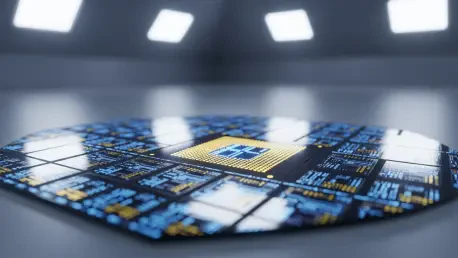
The heart of the current pricing crisis lies in the architecture of modern chips, which now prioritize artificial intelligence capabilities. To achieve necessary performance for on-device tasks, manufacturers utilize the latest fabrication processes, which are significantly more expensive than older nodes. These advanced lithography techniques require massive investments, a cost that is inevitably passed to the end consumer who seeks the latest features. High-end silicon has become the primary driver of device inflation in this sector.
Furthermore, the physical size of the die has increased to accommodate neural engines, reducing the total yield per wafer. This combination of high development costs and lower manufacturing efficiency has created a floor price for processors that makes affordable flagships a thing of the past. Consequently, brands are forced to rethink their product tiers, as they must now balance innovation costs with the purchasing power of consumers. This indicates that the era of cheap, high-performance electronics is effectively over for most buyers.
Memory and Power: The Hidden Drivers of Component Costs
Memory requirements have also undergone a radical transformation, as running large language models locally necessitates significantly higher bandwidth and capacity. Current industry standards are shifting toward specialized memory variants previously reserved for high-end server environments. This surge in demand for premium memory has tightened global supply, causing prices to spike even for devices that do not fully utilize these advanced features. Manufacturers find it difficult to offer budget models without severely handicapping modern intelligence features.
Additionally, the power demands of these sophisticated chips require more advanced cooling systems and high-density battery technologies to maintain acceptable runtimes. Thermal management has become a significant engineering challenge, necessitating the use of vapor chambers and exotic materials that further drive up the bill of materials. As devices work harder to process data locally, the hardware must be more robust, leading to a cascade of price increases. The result is a premium product that reflects the complexity of its internal AI-ready design.
Market Evolution and Consumer Barriers
Software Subscriptions: The Hidden Cost of Ownership
To combat the sticker shock of expensive devices, many tech giants are pivoting toward service-based revenue streams that subsidize the initial purchase price. This strategy involves offering the physical device at a lower margin while locking the most advanced AI features behind a monthly subscription paywall. Such a shift changes the ownership experience from a one-time transaction to an ongoing financial commitment, increasing the total cost of ownership. Consumers now face the choice of buying hardware that is essentially limited without a paid plan.
Furthermore, the integration of these services introduces a level of planned obsolescence that was less prevalent in the hardware-focused eras. As AI models evolve and require more compute power, companies may decide to sunset support for older hardware, rendering the local components ineffective. This dynamic forces a faster upgrade cycle, as users seek to maintain access to the latest productivity tools and security enhancements. Value is no longer found in the physical object but in the continuous stream of data and services it facilitates daily.
Navigating the Future: Strategic Recommendations for 2027
Consumers and businesses alike were forced to reconsider their procurement strategies as the initial wave of AI-driven inflation hit the sector during 2026. One effective approach involved prioritizing modularity and longevity by selecting hardware with robust secondary market support. It became clear that investing in a device with a longer lifespan was more cost-effective than frequently buying mid-tier products that lacked sufficient NPU capabilities. Furthermore, savvy buyers looked toward hybrid models that utilized cloud-based offloading to save costs.
Industry leaders eventually recognized that sustainable growth required a more inclusive approach to design, leading to the development of standardized AI benchmarks. These benchmarks allowed consumers to compare the intelligence of a device easily, fostering a more transparent marketplace. Developers also prioritized cross-platform optimization, ensuring that critical AI-driven tools functioned reliably across a broader range of price points. This movement helped mitigate the digital divide and ensured that innovation was not confined to the premium segment.