
Kwame Zaire is a seasoned authority in the manufacturing and equipment sectors, specializing in the complex interplay between production management and international trade policy. With years spent on factory floors and in executive boardrooms, he brings a pragmatic perspective to the shifting landscape of global tariffs and industrial safety. This discussion explores the recent executive order modifying duties on agricultural and industrial machinery, the incentives designed to favor American smelting, and the political undercurrents driving these late-term economic pivots.
How do you interpret the sudden shift in tariff strategy for agricultural machinery and HVAC systems, and what does this mean for manufacturers on the ground?
The reduction from a steep 25% down to 15% feels like a desperate release of pressure for the manufacturing and farming sectors. When you look at the heavy harvesters and massive combines sitting in dealerships, that 10% difference translates to tens of thousands of dollars in potential savings or costs passed to the consumer. This adjustment isn’t permanent, as it’s set to expire at the end of 2027, which creates a frantic window for domestic producers to ramp up operations. It is a calculated move to boost “productive economic activity” while the industry is still reeling from the volatility of previous trade cycles.
With the expansion of the 15% rate to include mobile industrial equipment like bulldozers and forklifts, how will trade agreements dictate which players actually benefit from these lower costs?
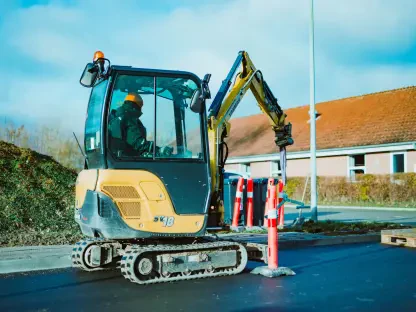
This expansion is specifically targeted at countries that have managed to maintain a formal trade deal with the United States. If you are importing a fleet of forklifts or rugged bulldozers from a partner nation, you now face a much more manageable 15% tariff instead of the punishing levels we have seen recently. It creates a tiered system where diplomacy directly impacts the bottom line of a construction site or a logistics warehouse. This move essentially rewards those who play by the rules of established trade pacts while keeping the door slightly ajar for industrial growth through 2027.
The new order introduces a 10% duty rate for those using 85% melted and poured American metals; how realistic is it for global manufacturers to meet these strict requirements?
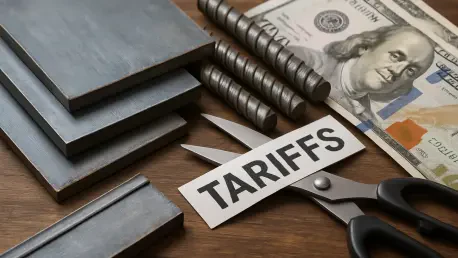
Meeting that 85% threshold by weight of melted and poured steel or aluminum is a massive technical hurdle for any international manufacturer. It requires a deep commitment to sourcing U.S. metals, essentially turning foreign factories into extensions of the American smelting industry. If they can achieve this, the reward is a significantly lower 10% duty rate, which is a powerful carrot compared to the 25% or 50% sticks used elsewhere. You can almost feel the heat of the foundry when thinking about the logistical shifts required to verify that nearly every pound of metal in a machine was cast or smelted domestically.
Reflecting on the history of Section 232 since 2018, how has the fluctuation between the 50% hikes in 2025 and the derivative product rates in 2026 shaped current market stability?
The history of these tariffs is a rollercoaster of numbers that has left many in the industry with a sense of policy whiplash. We saw a punishing hike to 50% on almost all steel and aluminum in June 2025, followed by a more nuanced approach in April 2026 that separated raw coils from derivative products at a 25% rate. These shifts were rooted in the Trade Expansion Act of 1962, citing national security, but the sheer speed of change has made long-term planning nearly impossible. Manufacturers have had to navigate a landscape where a product made “substantially” of metal could see its cost double or drop by 25% based on a single executive order.
Critics suggest these adjustments are more about the upcoming midterm elections than long-term economic relief; what is your take on the declining farm sentiment and the soaring bankruptcy rates?
There is a palpable sense of anxiety across the rural landscape, where farm bankruptcies are soaring and the general mood is darkening significantly. Republican senators have been vocal about the risk of losing ground in key agricultural states, leading many to see this tariff reduction as a tactical “bone” thrown to the farm belt. While the drop to 15% provides immediate breathing room for those needing new combines, it does not necessarily solve the systemic issues that led to declining farm sentiment. It feels like a temporary balm applied to a deep wound just before voters head to the polls to decide the political future of the region.
What is your forecast for the future of heavy machinery manufacturing under these expiring trade conditions?
I expect to see a surge in import activity and equipment purchasing through the end of 2027 as companies rush to capitalize on the 15% and 10% rates before they vanish. However, this will likely be followed by a period of extreme caution and hoarding as the expiration date approaches, potentially leading to a market glut. Manufacturers will prioritize regionalizing their supply chains to meet the 85% U.S. metal requirement, ensuring they are insulated against the potential return of 50% punishing tariffs. Ultimately, the stability of the sector depends on whether these temporary measures are replaced by a permanent, predictable framework or if we return to the era of emergency executive orders.