
The recent announcement from Evonik Industries AG regarding its radical pivot signals a desperate yet calculated attempt to maintain its footing in an increasingly volatile global chemical market that has grown hostile to traditional manufacturing giants. This strategy update, released in June 2026, marks a fundamental shift as the company commits to an aggressive reduction in its global workforce and a complete abandonment of its legacy polyester division. While leadership frames these maneuvers as essential for securing long-term viability, the initial reaction from the financial markets suggests a deep-seated anxiety about the economic health of the German industrial heartland. Shares dipped by approximately three percent immediately following the news, indicating that investors remain unconvinced that mere austerity can overcome the massive structural headwinds posed by rising energy costs and stagnant regional growth. The company is essentially trying to trade its historical identity for a leaner, more specialized profile that might actually survive the decade.
Streamlining the Workforce: The High Price of Organizational Agility
Central to this organizational overhaul is a significant reduction in headcount, with the firm planning to eliminate approximately 3,200 additional positions between 2027 and 2029. This new phase of layoffs targets a workforce that recently exceeded 31,000 employees, representing a profound shrinking of the corporate footprint in response to modern market pressures. These cuts are not merely about saving on wages but are designed to dismantle complex layers of middle management that have long hindered the speed of decision-making. In an era where market shifts happen almost overnight, the company can no longer afford the bureaucratic drag that characterized its operations during the stable decades of the early 2000s. Roughly two-thirds of these redundancies will occur within Germany, reflecting a difficult reality for a nation that once prided itself on industrial stability. By centralizing core functions, the company intends to create a much more responsive corporate architecture for the future.
The focus on internal efficiency aims to mitigate the structural disadvantages inherent in operating within the European Union, specifically high labor costs and stringent regulatory frameworks. Management believes that a flatter hierarchy will foster a culture of accountability and innovation that was previously stifled by redundant reporting lines and administrative overhead. This transition is not without its risks, as the loss of veteran personnel could lead to a temporary drain on institutional knowledge and specialized technical expertise. However, the leadership team argues that the cost of inaction far outweighs the localized pain of restructuring, as the current model is simply not sustainable under modern economic conditions. To support the remaining workforce, the company plans to reinvest a portion of the savings into upskilling programs, ensuring that the staff who remain are equipped with the digital fluencies required for a modernized production environment. This shift transforms the giant from a legacy player into a technology leader.
Strategic Divestment: Moving Beyond Legacy Polyester Production
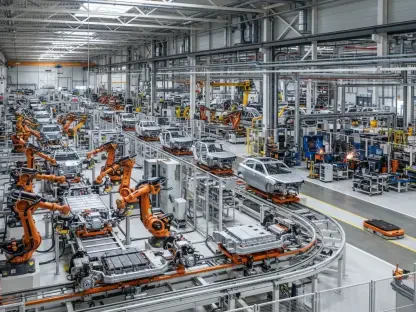
Evonik is aggressively pruning its portfolio by executing a complete withdrawal from its polyester business, a move that signals the end of an era for its diversified chemical production. The decision to exit this sector by 2027 involves the scheduled closure of its facility in Witten, Germany, alongside significant staff reductions at major sites in Marl and Shanghai. While the polyester division generated substantial revenue, its profit margins have consistently lagged behind the more lucrative specialty chemical segments that the company now prioritizes. This divestment represents a clear admission that the firm can no longer compete in commodity-like markets where low-cost international producers enjoy significant advantages in energy pricing and raw material access. By shedding these low-yield assets, the organization is freeing up billions in capital that can be redirected toward higher-value research and development. This strategic focus is essential for maintaining a competitive edge against burgeoning chemical sectors.
Beyond the immediate financial metrics, there is a growing narrative of regional de-industrialization that haunts the German chemical giant and its peers across the European continent. High regulatory burdens, combined with an aging infrastructure and a shrinking pool of skilled labor, have made Germany an increasingly difficult place to sustain large-scale industrial activity. Evonik’s decision to scale back its domestic footprint is a pragmatic response to these realities, but it also accelerates the very decline it seeks to survive. As the industrial ecosystem thins out, the secondary suppliers and service providers that support major chemical plants also face existential threats, creating a negative feedback loop that weakens the entire regional economy. To counter this, the company is looking toward a more globalized operational model where production is increasingly decoupled from its German roots. This strategy involves shifting more responsibility to international hubs while maintaining a core of high-level management.
Financial Goals: Driving Innovation Through Advanced Technology
To provide a concrete roadmap for its recovery, leadership established a rigorous financial target of increasing core earnings by one billion Euros by 2027. This ambitious goal is predicated on a fifty-fifty split, where half of the gains are expected to come from internal efficiency and cost-saving measures, such as the polyester exit and workforce reductions. The remaining half is projected to stem from organic growth, driven by the expansion of specialty chemical lines and the successful commercialization of new research projects. This balanced approach is intended to demonstrate to shareholders that the company is not just cutting its way to profitability but is also actively investing in its future revenue streams. Achieving this target will require a flawless execution of the restructuring plan, leaving very little room for error in a global economy that remains plagued by geopolitical tensions. Management is betting that this clearly defined financial objective will restore investor confidence by providing a metric.
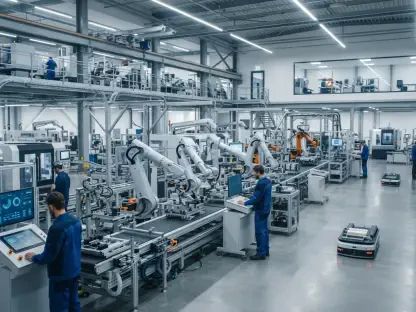
A cornerstone of this modernization effort is the integration of artificial intelligence and advanced data analytics across the entire corporate structure to unlock hidden operational efficiencies. The company is deploying sophisticated algorithms to optimize supply chain management, predict market fluctuations, and identify bottlenecks in administrative workflows that were previously invisible to human managers. This digital transformation is not just about replacing labor with automation; it is about providing the remaining workforce with the tools necessary to make faster, more data-driven decisions. By digitizing its core processes, Evonik aims to achieve a level of organizational flexibility that was impossible under its previous legacy systems. These technologies allow the firm to manage a smaller, more complex portfolio with greater precision, ensuring that resources are always allocated to the most profitable opportunities. This focus on high-tech tools is the primary way to offset the inherent cost disadvantages of the European market.
Strategic Outcomes: Navigating the Path Toward Industrial Recovery
The restructuring efforts undertaken by the chemical giant established a clear precedent for how legacy industrial firms adapted to survive in a post-globalization world. Decision-makers realized that the old model of high-volume, low-margin production was no longer viable in a region characterized by high costs and shifting energy priorities. By prioritizing specialty chemicals and leveraging advanced digital tools, the company redefined its role within the global supply chain as a provider of high-value expertise rather than just raw materials. This transition required a painful reassessment of historical strengths and a willingness to abandon long-standing divisions that no longer served the bottom line. The initial steps focused on stabilization, ensuring that the company possessed the liquidity and structural agility to weather economic storms. These actions demonstrated a commitment to radical change that many observers believed was necessary for long-term health. The path forward involved a relentless focus on maintaining this new, leaner identity.
Future success depended on how effectively firms balanced immediate cost control with long-term investment in emerging technologies and sustainable practices. Industry leaders recognized that the period of transition required not only internal changes but also a broader conversation regarding the future of European manufacturing. Companies that successfully integrated data analytics and decentralized their operations found themselves better equipped to handle the volatility of the global marketplace. The lessons learned from this restructuring phase suggested that agility and technological specialization were the only reliable defenses against regional economic decline. Moving forward, the emphasis shifted toward fostering a more collaborative industrial ecosystem that could withstand external shocks while driving innovation in green chemistry. This proactive approach remained the most viable strategy for navigating the complexities of the modern industrial world, ultimately proving that even the largest organizations were capable of reinventing themselves when faced with existential challenges.