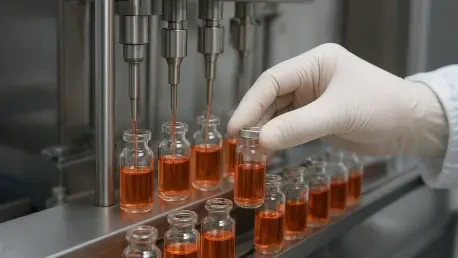

The search for the first muscle-targeted therapy for spinal muscular atrophy now hinges on the successful validation of a new sterile packaging and sterilization facility. While the medical community has celebrated significant breakthroughs in treating this genetic disorder over the last few years, most existing interventions focus exclusively on boosting survival motor neuron protein levels to prevent further nerve degeneration. However, for many patients, the reality remains one of persistent muscle weakness and limited mobility even after successful gene or protein therapy. This is where apitegromab enters the landscape as a potential game-changer. By specifically inhibiting the activation of myostatin, this monoclonal antibody aims to directly improve muscle mass and physical function. The recent results from the SAPPHIRE Phase 3 trial provided the necessary clinical evidence, showing that patients receiving the drug experienced meaningful improvements in motor function scales compared to those on a placebo.
Navigating Regulatory and Logistical Obstacles
Addressing Manufacturing Site Deficiencies
The journey toward a commercial launch encountered a significant setback during the regulatory review phase, centered on a specific fill-finish site. This facility, located in Indiana and managed by a subsidiary of a major industry partner, came under intense scrutiny from the Food and Drug Administration due to lapses in maintaining sterile environments and proper documentation. Following a series of rigorous inspections, the federal agency classified the location under an Official Action Indicated status, which effectively halted any new drug approvals linked to the site until systemic issues were remediated. For a specialized therapy like apitegromab, which requires precise handling to maintain biological integrity, such a classification presented an immediate threat to the projected rollout. The deficiencies cited were not related to the drug’s chemical composition but rather to the physical processes involved in placing the medication into vials and ensuring complete sterility.
Implementing a Strategic Manufacturing Pivot
To prevent a prolonged delay that could leave thousands of patients without access to treatment, the decision was made to pivot the entire supply chain strategy. This involved the formal removal of the non-compliant Indiana site from the Biologics License Application and the immediate prioritization of a secondary, pre-vetted facility. This alternative site has a long-standing record of excellence, having successfully navigated multiple inspections from both American and European health authorities in recent years. By shifting focus to this redundant manufacturing stream, the company sought to provide the regulatory agencies with a clean, high-quality data package that met all safety standards. This tactical move required a rapid transfer of technical protocols and the verification of production batches to ensure consistency between the two sites. The goal of this maneuver was to bypass the administrative logjam at the first facility while demonstrating a commitment to the highest levels of quality control.
Ensuring Global Access and Market Readiness
Streamlining the International Regulatory Process
The challenges associated with the initial manufacturing site were not confined to the United States, as they also created ripples across the Atlantic. The European Medicines Agency had previously placed its review of the marketing authorization on hold, citing concerns over the Indiana facility’s ability to meet strict European Union manufacturing standards. This pause highlighted the interconnected nature of modern drug development, where a single localized failure can disrupt global availability. In response, the updated filing now includes the secondary facility as the primary production source for the European market as well. This alignment is intended to synchronize the approval timelines across different regions, ensuring that patients in Europe do not face additional months of waiting. By streamlining the international regulatory process through a unified manufacturing strategy, the focus remains on the broader mission of providing a therapeutic solution that addresses the physical decline associated with SMA.
Securing the Supply Chain for Future Access
The strategy for long-term success moved beyond regulatory compliance and into the realm of proactive logistics and inventory management. Stakeholders recognized that obtaining approval was only half the battle; the ability to meet immediate market demand upon clearance remained equally vital. Consequently, a robust supply of the medication was produced and stored at a secure third-party location, ready for immediate labeling and shipping. This move effectively decoupled the manufacturing timeline from the final regulatory decision, allowing for a rapid response once the green light was given. In the final analysis, the project overcame these industrial hurdles by prioritizing transparency with regulators and investing in infrastructure redundancy well in advance. This approach provided a clear roadmap for other biotechnology firms facing similar manufacturing bottlenecks. By focusing on operational resilience and patient-centered outcomes, the initiative established a sustainable path for delivery.