
Replacing coal with green hydrogen in the iron reduction process creates a closed-loop system where water vapor is the only byproduct. This radical shift in chemistry represents the most significant technological leap for an industry that has relied on carbon-heavy methods for centuries. As of 2024, the global demand for steel remains high at nearly two billion metric tons, serving as the essential skeleton for modern cities, bridges, and energy grids. However, this indispensable utility comes with a heavy environmental price tag, as the sector accounts for approximately 8% to 11% of total global carbon dioxide emissions. The urgency of the climate crisis has transformed what was once a theoretical discussion into an immediate industrial mandate, forcing a re-evaluation of every stage of the manufacturing process. From the massive blast furnaces of the past to the high-tech electrolyzers of the present, the industry is currently navigating a period of unprecedented transformation to reconcile its massive output with the necessity of achieving net-zero targets in a world that can no longer afford the carbon cost of traditional production.
The Chemistry of Traditional Manufacturing
The Role: Carbon in Smelting
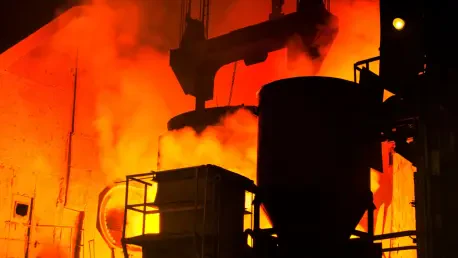
To appreciate the difficulty of decarbonizing this sector, one must understand that carbon is not just an energy source but a chemical necessity in traditional ironmaking. Steel is essentially a refined alloy of iron and a tiny fraction of carbon, typically between 0.1% and 2%, which provides the material with its characteristic strength and durability. In the conventional blast furnace pathway, carbon-rich coke serves a dual purpose as both a high-heat fuel and a chemical reductant. This process is designed to strip oxygen away from iron ore, primarily magnetite or hematite, to produce the elemental iron required for steelmaking. The chemical reaction between the carbon and the oxygen in the ore inherently releases massive quantities of carbon dioxide as a direct byproduct of the smelting process, making the emission of greenhouse gases an unavoidable part of the current metallurgical equation.
The refinement of these alloys requires precise control over the chemical composition to ensure that the resulting steel meets rigorous engineering standards. Even the slightest variation in carbon content or the presence of impurities can significantly alter the mechanical properties of the metal, such as its elasticity or tensile strength. Because traditional blast furnaces are designed around the specific thermodynamic properties of coal and coke, switching to alternative reduction agents requires a complete redesign of the furnace architecture. The metallurgical industry is currently grappling with how to maintain these exacting standards while moving away from the carbon-based chemistry that has defined it since the Industrial Revolution. This challenge is further complicated by the fact that the high temperatures required for smelting are difficult to achieve and maintain using current electrical heating technologies alone, reinforcing the long-standing dependence on fossil fuels.
The Problem: Coal and Coke Production
The preparation of metallurgical coal into coke is an environmentally taxing process even before it reaches the blast furnace. Coal must be baked at extreme temperatures in oxygen-free ovens to remove impurities and concentrate the carbon, a stage that releases significant amounts of volatile organic compounds, hydrogen, and various toxic gases. This coking process is not only energy-intensive but also contributes to localized air pollution and the broader carbon footprint of the steel mill. Because the reduction of iron ore is the most energy-intensive and carbon-heavy phase of the entire value chain, any meaningful solution must address the emissions generated during this initial preparation phase. The industry recognizes that as long as coal remains the primary feedstock for iron reduction, the goal of achieving a net-zero future will remain out of reach for global manufacturers.
Furthermore, the logistical infrastructure required to support coal-based steelmaking is immense, involving complex supply chains that span continents. The environmental impact of mining and transporting millions of tons of metallurgical coal adds another layer of carbon intensity to the final product. Transitioning away from this model requires a systemic change that affects not just the steel mills themselves, but the entire global energy and mining landscape. In 2026, many companies are looking for ways to bypass the coking stage entirely, exploring technologies that can process iron ore using gases or electricity. However, the legacy of coal-based infrastructure remains a significant barrier, as the capital already invested in traditional coke ovens and blast furnaces represents trillions of dollars in assets that cannot be abandoned overnight without massive economic disruption to industrial regions.
The Transition to Electric Arc Furnaces
Recycled Steel: The Circular Economy
One of the most immediate and effective tools for emission reduction is the shift toward Electric Arc Furnaces. Unlike traditional blast furnaces that process raw iron ore, these units primarily melt down recycled scrap steel using high-voltage electricity. This method fits perfectly into the principles of a circular economy, as it allows existing steel to be repurposed indefinitely without losing its structural integrity. By utilizing scrap instead of virgin ore, the industry can reduce its carbon emissions by as much as 90% when compared to coal-dependent methods. This transition is already visible in major industrial hubs, where manufacturers are increasingly dismantling their old, coal-fired units in favor of cleaner, more flexible electrical alternatives. The expansion of the recycling infrastructure is seen as a vital component of the strategy to reach net-zero targets over the next few years.
The adoption of this technology also provides a unique opportunity to integrate renewable energy into the manufacturing process. Because these furnaces rely on electricity rather than the combustion of fossil fuels, they can be powered by wind, solar, or hydroelectric sources, effectively decoupling steel production from the carbon grid. In regions with high renewable penetration, the carbon footprint of producing a ton of steel has plummeted to record lows. Furthermore, the flexibility of electrical furnaces allows producers to adjust their output based on the availability of green power, providing a stabilizing effect on the electrical grid. This synergy between the steel industry and the renewable energy sector is creating a new blueprint for heavy industry, proving that it is possible to maintain high-level manufacturing while adhering to strict environmental standards and reducing reliance on imported fossil fuels.
The Technical Barriers: Scrap and Contamination
Despite its potential, the expansion of recycling technology faces a significant “scrap ceiling” that prevents it from becoming a total solution for the global market. Total worldwide supplies of high-quality scrap steel are simply insufficient to meet the annual demand for two billion tons of new material. While some developed nations produce enough scrap to cover their internal needs, growing economies still require massive amounts of virgin iron to build out their infrastructure. Furthermore, the logistical challenge of collecting, sorting, and transporting scrap across the globe adds to the overall cost and complexity of the process. Unless the global supply of reclaimed metal increases dramatically, the industry will continue to rely on the extraction of raw iron ore to satisfy the world’s hunger for new construction and manufacturing materials.
A secondary but critical technical hurdle involves the presence of contaminants like copper, which are often found in reclaimed steel from automobiles and demolished buildings. Copper is notoriously difficult to remove during the melting process, and even trace amounts can lead to surface defects that make the steel unsuitable for high-performance applications such as aerospace components or automotive body panels. This “downcycling” problem means that much of the recycled steel is relegated to lower-grade construction materials rather than being used for high-value engineering. Metallurgical researchers at institutions like the University of Warwick are currently investigating new ways to manage these residuals, such as adding nickel to mitigate the effects of copper. However, until these chemical innovations are perfected and scaled, the reliance on high-purity virgin iron remains a necessity for the world’s most demanding technological applications.
Bridging the Gap with Direct Reduced Iron
Natural Gas: A Transitional Technology
Since the world cannot satisfy its requirements through scrap recycling alone, the industry must still produce virgin iron from raw ore, leading to the rise of Direct Reduced Iron technology. First developed decades ago, gas-based ironmaking uses a mixture of carbon monoxide and hydrogen derived from natural gas to process iron ore pellets. This method bypasses the blast furnace entirely and offers a 40% reduction in carbon intensity compared to traditional coal-based smelting. In 2026, this technology accounts for a growing percentage of global iron production, serving as a helpful bridge for manufacturers who are not yet ready to transition to full hydrogen usage. It allows companies to significantly lower their emissions profile while utilizing existing natural gas infrastructure, providing a pragmatic pathway for decarbonization in the short term.
However, while natural gas is cleaner than coal, it is still a fossil fuel that releases carbon dioxide during the reduction process. This makes the current iteration of the technology a transitional step rather than a final destination for reaching absolute net-zero goals. Many industrial leaders view natural gas as a necessary compromise that allows for immediate improvements while the infrastructure for green hydrogen is still being built. The current focus is on designing these plants to be “hydrogen-ready,” ensuring that they can eventually switch to 100% clean fuels without requiring a total rebuild of the facility. This forward-thinking approach is essential for preventing the stranding of industrial assets as environmental regulations continue to tighten. The evolution of these plants over the period from 2026 to 2030 will likely determine how quickly the industry can exit the fossil fuel era.
Hydrogen: The Gold Standard for Green Iron
The most promising path to truly green steel involves using pure hydrogen in the iron reduction process, which eliminates carbon emissions entirely by producing only water vapor as a byproduct. Pioneering projects in regions like northern Sweden have already demonstrated that when hydrogen is produced via large-scale electrolysis powered by renewable electricity, the entire ironmaking process can become virtually carbon-free. This “hydrogen-based” approach represents the peak of metallurgical innovation, offering a way to produce high-purity virgin iron without the environmental baggage of coal or natural gas. As these pilot projects move into full-scale commercial production, they are setting a new standard for the industry and proving that the engineering challenges of hydrogen reduction are solvable at a massive industrial scale.
Despite the technical success of these initiatives, the global adoption of hydrogen-based ironmaking is currently limited by regional geography and energy economics. The process requires vast amounts of cheap, renewable electricity to generate the necessary hydrogen, making it most viable in areas with abundant wind, solar, or hydroelectric resources. For industrial heartlands that lack these natural advantages, the cost of producing or transporting green hydrogen remains a formidable barrier to entry. Consequently, the future map of the global steel industry may look very different, with production hubs migrating toward energy-rich regions that can provide the green fuel required for carbon-neutral operations. This shift is already sparking a geopolitical race to secure green energy corridors and establish the infrastructure needed to support the next generation of clean industrial manufacturing.
Emerging Disruptive Technologies in Metallurgy
Low-Temperature Electrowinning Solutions
Innovation is also occurring at the level of basic physics, with several startups and academic labs exploring “electrowinning” to extract iron at room temperature. This hydrometallurgical approach involves dissolving iron ore in an acidic solution and then using an electrical current to deposit pure metal onto a cathode. Unlike traditional methods that require extreme heat to melt the material, electrowinning operates at a fraction of the temperature, drastically reducing the overall energy demand of the facility. This process is particularly attractive because it can be easily powered by intermittent renewable sources like wind and solar, as the electrical load can be adjusted in real-time without the risk of damaging a high-heat furnace. This flexibility makes it an ideal fit for a future grid dominated by variable green energy.
Furthermore, this low-temperature approach allows for the processing of lower-grade iron ores that are typically discarded as waste by traditional mills. By extracting iron from ores with less than 60% purity, companies can extend the life of existing mines and reduce the environmental impact of new mining operations. As of 2026, companies like Electra are moving from laboratory prototypes to industrial-scale demonstration plants, aiming to prove that this radical departure from smelting is economically competitive. If successful, electrowinning could decentralize steel production, allowing smaller, modular plants to be built closer to both ore deposits and renewable energy sources. This shift would fundamentally change the economics of the industry, lowering the barriers to entry and fostering a more competitive and diverse market for green metals.
Microwave-Assisted BioIron Innovations
Another experimental approach gaining traction involves the use of microwave and radiowave technology to achieve volumetric heating, which warms the iron ore from the inside out rather than relying on external heat sources. This method is significantly more energy-efficient than a traditional furnace because it targets the material directly, minimizing heat loss to the surrounding environment. When combined with agricultural waste or biomass instead of coal, this microwave-assisted process creates a carbon-neutral cycle, as the carbon released during processing was originally captured from the atmosphere by the plants used for the biomass. Researchers are currently working to scale this technology, focusing on the development of “BioIron” facilities that can operate with a much smaller physical footprint than conventional industrial complexes.
These disruptive technologies represent a significant departure from the heavy infrastructure of the past, offering a vision of steelmaking that is cleaner, smaller, and more adaptable. The use of biomass as a reduction agent provides a pathway for regions that lack the massive electrical capacity for hydrogen production but have a surplus of agricultural residues. By diversifying the technological portfolio of the industry, these innovations ensure that different regions can choose the path to decarbonization that best suits their local resources. While still in the early stages of commercialization, the progress made in microwave heating and biomass reduction over the last few years suggests that the industry is on the verge of a major technological breakthrough. The challenge now lies in integrating these niche solutions into the broader global supply chain to maximize their impact on total emission reductions.
Navigating Economic and Geopolitical Realities
Financial Burdens: Policy Frameworks
Even with proven technological solutions, the transition to green steel is slowed by the harsh economic realities of a global market that operates on razor-thin profit margins. Building new hydrogen-ready plants or large-scale electric furnaces requires billions of dollars in capital expenditure, a daunting prospect for companies already struggling with global oversupply and fluctuating commodity prices. In many parts of the world, high electricity prices make green production significantly more expensive than traditional coal-based methods. This creates a severe competitive disadvantage for domestic producers who invest in clean technology but must compete against cheaper, high-carbon imports from countries with laxer environmental regulations. Without significant financial incentives or government support, the pace of the transition remains tethered to the slow cycle of capital reinvestment.
To address this “level playing field” problem, many regions are implementing policies like the Carbon Border Adjustment Mechanism to protect their domestic manufacturers. These levies impose a carbon cost on imported goods, ensuring that green producers are not undercut by “dirty” steel from abroad. This alignment of market economics with environmental goals is essential for creating a sustainable business model for green metallurgy. Additionally, governments are providing direct subsidies and tax credits to help offset the massive costs of upgrading legacy infrastructure. These policy frameworks are designed to de-risk the transition for private investors and accelerate the deployment of clean technologies. As these regulations take full effect, the economic incentives for staying with coal are rapidly disappearing, forcing the entire industry to adapt or face increasing financial penalties and market exclusion.
Future Energy: Global Cooperation
The ultimate success of a net-zero steel industry is inextricably linked to the broader global energy transition and the availability of reliable green grids. The move toward hydrogen and electricity means that the future hubs of steel production will likely migrate toward regions that can provide the most affordable and abundant renewable power. For traditional industrial heartlands to survive this shift, they must secure massive investments in their energy infrastructure to sustain the electrical loads required by modern furnaces. This transformation is not just a technological challenge but a geopolitical one, as nations compete to become the leaders in the new green economy. Cooperation between governments, energy providers, and industrial manufacturers is the only way to ensure that the necessary power is available where and when it is needed most.
The global transition toward carbon-free ironmaking ultimately relied on a fundamental shift in how industrial assets were valued and operated. Decisions made by policymakers and corporate boards prioritized long-term ecological stability over immediate quarterly dividends, paving the way for the massive infrastructure projects seen today. As regional energy grids evolved to support these high-intensity loads, the steel industry successfully decoupled its production growth from greenhouse gas emissions. The integration of circular economy principles and advanced chemical reduction methods proved that even the most carbon-intensive sectors could adapt when technological innovation was paired with systemic economic reform. Moving forward, the focus shifted toward optimizing these green corridors and expanding the reach of low-temperature metallurgy to every corner of the global market, ensuring that the foundational material of civilization no longer jeopardized the planetary climate.