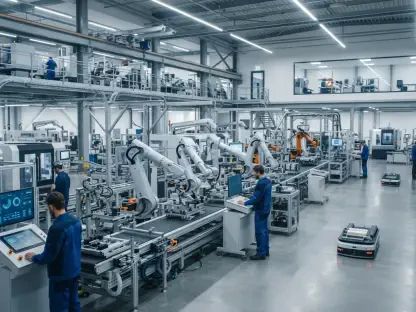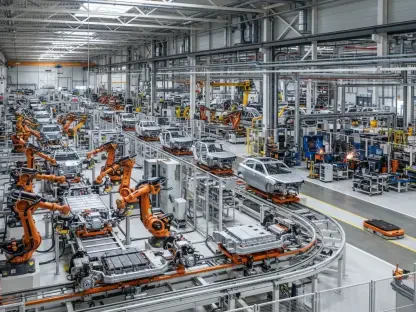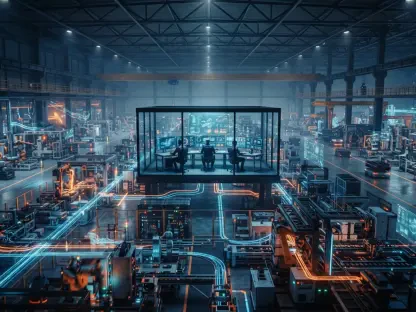

Small and mid-sized businesses are gaining a competitive advantage by integrating CNC machines and lasers that grant them industrial autonomy. This transition marks a departure from the traditional reliance on massive, centralized overseas factories that once dominated the manufacturing landscape through sheer volume. In the current economic climate, the hidden costs of offshoring—ranging from logistics bottlenecks to geopolitical instability—have made the pursuit of local production more than just a trend; it is a necessity for survival. By adopting digital fabrication technologies, companies are effectively bypassing the rigid requirements of physical molds and high minimum order quantities. Instead of waiting weeks for a container ship to cross the ocean, modern workshops are using software-driven equipment to produce components in real-time. This shift not only reduces waste but also allows for a level of customization that was previously impossible for smaller entities to achieve without significant capital investment in static tooling or massive production runs.
Maximizing Agility: Advanced Tooling Solutions
Speed and Resilience: Compressing Lead Times
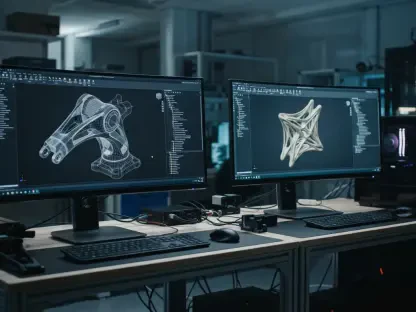
The velocity of modern commerce requires a supply chain that responds to shifts in consumer demand almost instantly. Relying on international shipping routes has become a substantial liability, especially when unforeseen delays can stall entire product launches or seasonal marketing campaigns. By fabricating goods on-site or through local micro-factories, businesses are insulating themselves from the volatility of global trade. This proximity to the point of sale ensures that inventory levels remain lean, reducing the financial burden of storing unsold stock in expensive warehouses. The ability to pivot production within hours rather than months represents a fundamental change in how risk is managed across the industry. Furthermore, the integration of these advanced tools into daily operations allows for a more resilient business model that can withstand external shocks while maintaining a consistent flow of high-quality products. Rapid design iteration has emerged as a cornerstone of competitive strategy for those utilizing digital fabrication.
Case Study: Precision Acrylic Fabrication
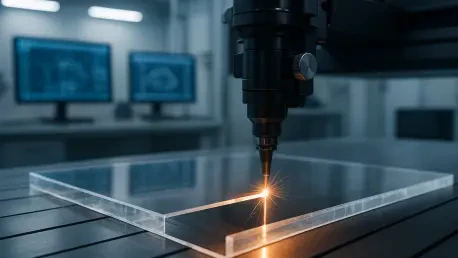
Looking at the retail signage and display sector provides a vivid illustration of how CO2 laser systems have transformed material handling. Acrylic, often known as plexiglass, has long been a staple in high-end displays due to its clarity and durability. Historically, however, working with this material required highly specialized manual labor to cut and polish edges to an acceptable standard. Modern digital lasers have changed this dynamic by offering high-precision cutting that results in a flame-polished edge directly from the machine. This eliminates several secondary finishing steps, significantly lowering the barrier to entry for producing complex, aesthetic components. Software integration allows for the nesting of parts, which maximizes material usage and reduces scrap, contributing to both environmental sustainability and cost efficiency. As a result, even small boutique firms can now produce industrial-grade signage that meets the rigorous demands of global luxury brands while maintaining the agility to handle last-minute design changes.
Economic Strategy: The Shift to Local Production
Assessing Costs: The Make-versus-Buy Analysis
The decision to internalize production is often driven by a sophisticated make-versus-buy analysis that looks far beyond the initial unit price. While an overseas factory might quote a lower price per part, that figure rarely accounts for the full spectrum of expenses involved in international trade. Forward-thinking executives are now meticulously calculating the total landed cost, which includes shipping fees, import tariffs, insurance, and the costs associated with inventory holding. When these variables are factored in, the financial advantage of offshoring frequently evaporates, particularly for high-value or low-volume goods. Moreover, the hidden cost of lost opportunities—due to being out of stock or unable to react to a sudden trend—can be devastating to a brand’s reputation and bottom line. By localizing production, companies can maintain tighter control over their financial health and ensure that capital is not tied up in transit for months at a time, allowing for more aggressive reinvestment in local growth.
A Future Perspective: Distributed Manufacturing Models
Decision-makers who adopted these digital fabrication strategies established a clear path toward long-term resilience and industrial independence. They moved away from rigid supply structures and invested in the technical training required to master sophisticated CNC and laser hardware. This shift enabled companies to internalize the entire product lifecycle, from initial concept to final assembly, ensuring that quality standards remained high throughout every stage. Industry leaders focused on developing a versatile workforce capable of navigating software-driven environments, which proved essential for maintaining a competitive edge. By prioritizing the integration of autonomous machinery, these businesses secured their ability to scale production as market conditions dictated. The transition to local manufacturing served as a vital solution for those seeking to mitigate risks associated with international logistics. Ultimately, the successful implementation of these technologies provided a robust framework for navigating the complexities of the modern global economy.