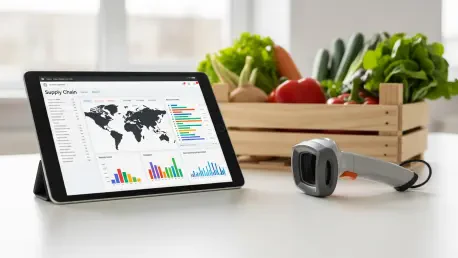

A single shipment of perishable goods can traverse three continents and dozens of individual handlers before reaching a grocery shelf, highlighting the precarious nature of the modern global food network. In this high-stakes environment, the ability to pinpoint the origin of a single ingredient is no longer just a legal requirement but a vital component of brand survival and public safety. As international trade routes grow increasingly dense and volatile, the traditional methods of tracking—often a patchwork of paper logs and siloed spreadsheets—have proven insufficient to meet the demands of a rapid-response market. Consequently, the industry is seeing a massive migration toward automated, real-time tracking solutions that provide a granular view of every transaction. This evolution ensures that when a safety issue arises, it is handled with surgical precision rather than a broad, wasteful withdrawal. By integrating transparency into the very fabric of operations, companies can mitigate the risks of foodborne illness while simultaneously streamlining their logistical efficiency.
Navigating the Complexities of Modern Supply Chains
Three-Way Visibility: Mapping the Path of Ingredients
Managing the immense risks associated with international food distribution requires a nuanced understanding of three distinct operational flows: backward, internal, and forward traceability. Backward traceability allows investigators to look upstream, tracing a finished product back to its specific farm or processing plant to identify the source of contamination. Internal traceability is equally crucial, as it monitors the movement of ingredients within a single facility, ensuring that raw materials are properly handled and that no cross-contamination occurs during production. Forward traceability completes the loop by identifying every retail outlet and restaurant that received the finalized goods. By mastering these three disciplines, organizations can execute targeted recalls that remove only the compromised items from the market. This specific focus prevents the massive economic losses associated with sweeping, region-wide bans that often occur when data is incomplete or disorganized.
Regulatory Compliance: Meeting the Standards of Rule 204
The regulatory environment has entered a new phase of rigor, exemplified by the mandate of the U.S. Food and Drug Administration’s Rule 204 under the Food Safety Modernization Act. This specific regulation targets high-risk foods—ranging from leafy greens and soft cheeses to seafood—requiring businesses to maintain detailed records of Critical Tracking Events and Key Data Elements. Every time a product changes hands, is transformed into a new item, or is shipped to a new location, a digital record must be updated to reflect its journey. This shift effectively transforms food safety into a data-driven science, where the burden of proof lies in a company’s ability to produce a comprehensive traceability lot code at a moment’s notice. The implementation of these standards between 2026 and 2028 is expected to significantly reduce the time needed to investigate outbreaks, potentially saving thousands of lives and billions of dollars in healthcare costs related to preventable illnesses.
Building a Foundation of Digital Trust and Accountability
Universal Communication: The Role of Standardized Data
For digital traceability to be truly effective, it must rely on a universal language that allows disparate technology systems to communicate without friction or data loss. Standardized formats, such as GS1, provide a globally recognized framework for identifying products, locations, and assets, ensuring that a barcode scanned in a warehouse in South America is immediately readable by a retailer in Europe. This level of interoperability is the cornerstone of a modern supply chain, as it eliminates the bottlenecks caused by manual data entry and reduces the likelihood of human error that often plagues traditional record-keeping. By adopting these unified standards, companies can create a seamless flow of information that persists even as products pass through various wholesalers and distributors. The result is a transparent ecosystem where data moves as fast as the physical goods, providing real-time insights that were previously impossible to achieve.
Long-Term Resilience: Establishing a Modern Safety Culture
The shift toward comprehensive digital monitoring fundamentally altered how the industry approached safety, moving it from a reactive burden to a proactive competitive advantage. Organizations that prioritized the integration of advanced cloud-based ledgers found themselves better equipped to withstand the pressures of a more scrutinized marketplace. Industry leaders recommended that businesses begin by auditing their current data silos and identifying gaps where manual processes were still slowing down response times. It was essential to foster a culture of accountability where every employee understood the direct link between accurate documentation and consumer health. Moving forward, the focus was placed on expanding these capabilities to include sustainability metrics, such as carbon footprint and ethical labor practices, further strengthening the bond between producers and their customers. By treating traceability as a living operational pillar, the global food system became more resilient and safer.