
The ubiquitous presence of sugar in American pantries often masks a harrowing supply chain that stretches from the Florida Everglades to the sun-scorched plantations of the Dominican Republic. Behind the glossy packaging of snacks and beverages lies a complex web of labor exploitation and corporate dominance. The Central Romana Corporation, which manages 173,700 acres of prime agricultural land, serves as a primary source for this demand, yet its operations remain clouded by accusations of modern-day slavery. Consumers rarely consider that the low cost of a household staple might be subsidized by the systemic deprivation of thousands of field workers. This paradox highlights a tension between trade efficiency and the humanitarian costs of mass production.
The Bittersweet Reality of the American Sugar Supply
The sweet taste of Dominican exports often carries a bitter legacy of systemic human rights violations. Central Romana maintains a massive presence in the global market, yet its success is increasingly overshadowed by reports of worker abuse. U.S. consumer demand fuels this engine, making the American market a critical player in the company’s survival. However, the connection between these imports and the reported conditions on the ground suggests that the sweetness of the product comes at a significant moral cost.
The scale of the operation is immense, but the benefits do not reach those who toil in the fields. While the corporation generates substantial revenue, the workers who cut the cane struggle to meet their most basic needs. This disconnect between corporate profit and worker welfare has prompted growing calls for transparency in the global supply chain. The international community now faces the challenge of reconciling the demand for cheap commodities with the ethical obligation to protect the vulnerable people who produce them.
Land, Power, and the Plight of the Stateless Worker
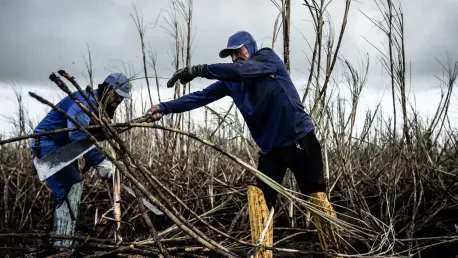
Central Romana stands as the largest employer and landowner in the Dominican Republic, wielding immense influence over the national economy. This power creates a profound imbalance for the 8,000 workers, primarily Haitian migrants and their descendants, who harvest the cane. These individuals often live in “bateyes”—company-owned communities that frequently lack electricity, potable water, or basic sanitation. Without legal documentation, these workers exist in a state of statelessness, leaving them with no recourse against the corporation’s demands.
A climate of fear persists, preventing workers from seeking social security or fundamental rights, as the threat of deportation or eviction looms over every interaction with management. This systemic vulnerability is not accidental; it is a byproduct of a landscape where workers are isolated and denied the tools to organize. The lack of legal status ensures that laborers remain trapped in a cycle of poverty, unable to leave the plantations or seek better opportunities elsewhere.
The Intersection of Corporate Interests and U.S. Political Influence
The narrative of Dominican sugar is inseparable from American interests, specifically through the Florida-based Fanjul Corp. This ownership link brings the struggle for labor rights into the halls of U.S. power, where high-level lobbying often dictates trade access. While U.S. trade policy officially promotes fair labor, critics argue that consistent market access for Central Romana effectively rewards exploitative practices. The vulnerability of elderly cutters is particularly acute, as many are denied pensions despite decades of service.
The lack of independent unions further isolates the workforce, ensuring that corporate interests remain prioritized over the basic dignity of the men and women sustaining the industry. Political connections in Washington have historically served as a buffer against regulatory pressure, allowing the status quo to persist despite mounting evidence of abuse. This dynamic illustrates how corporate influence can undermine international labor standards, leaving marginalized workers without a voice in the systems that govern their lives.
Evidence of Exploitation: The Corporate Accountability Lab’s Investigation
A comprehensive three-year investigation by the Corporate Accountability Lab provided the catalyst for international scrutiny. The findings detailed a landscape of “inhumane” conditions, including withheld wages and forced overtime, which eventually led to a 2022 U.S. import ban. However, the enforcement of such regulations has fluctuated wildly depending on the political landscape in Washington. Despite the evidence of abuse, the shifting regulatory environment often provided the corporation with pathways to circumvent long-term accountability while maintaining its lucrative export routes.
Direct testimonies from the fields confirmed that the denial of pensions and basic healthcare remained standard practice for the most marginalized laborers. These workers described a life of perpetual debt and physical exhaustion, where their survival depended entirely on the whims of the corporation. The investigation shed light on the reality that isolation is a deliberate tool of control, used to prevent the outside world from seeing the true cost of production.
A Policy Roadmap for Severing the Link to Forced Labor
The path forward required a fundamental shift from corporate self-regulation toward enforceable international standards. Strengthening federal import bans acted as a necessary lever to force compliance with global human rights laws. Experts suggested that regularizing the immigration status of field workers provided the legal standing necessary to challenge systemic abuses in court. This legal empowerment was seen as a prerequisite for any meaningful change in the living and working conditions within the bateyes.
Ultimately, the transition to a living wage framework and worker-led oversight committees established a new paradigm for the industry. These efforts ensured that the global sugar trade no longer relied on the exploitation of the stateless, creating a blueprint for ethical agricultural production from 2026 to 2028. International intervention became the primary mechanism for holding multinational corporations accountable, proving that economic pressure could successfully champion the fundamental rights of the marginalized workforce.