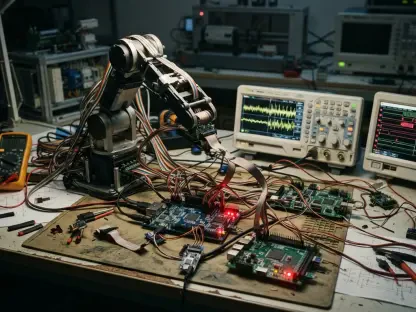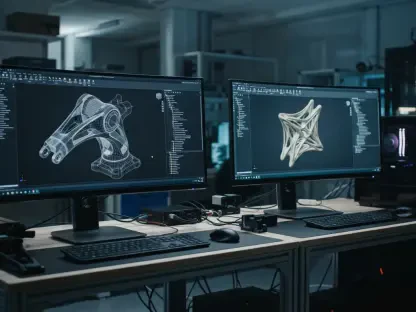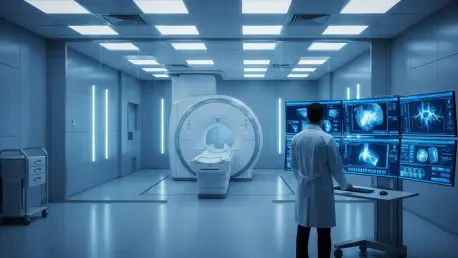

The seamless integration of sophisticated electrical hardware into the daily fabric of clinical decision-making has fundamentally transformed the modern hospital from a facility of care into a high-tech engine of diagnostic precision. This global electro medical and electrotherapeutic apparatus market represents a highly specialized intersection where electrical engineering, digital informatics, and clinical medicine converge to address the most pressing challenges in patient care. The sector encompasses a wide array of hardware designed to support the entire continuum of clinical activity, ranging from early diagnosis and continuous physiological monitoring to complex surgical interventions and long-term rehabilitation efforts. By embedding electrical components directly into the core of clinical utility, these systems have become indispensable tools within contemporary healthcare environments, providing the technical foundation for nearly every modern medical breakthrough. Unlike general-purpose hospital software, which may handle administrative tasks, the equipment within this market focuses on integrated systems where hardware and electrical functions are central to the final medical outcome. This ensures that the industry remains focused on tangible, high-performance machinery that drives actual clinical progress and enhances the ability of practitioners to intervene effectively.
The current scope of the electro medical industry is vast, covering everything from diagnostic imaging systems and cardiac rhythm management devices to advanced neurological stimulators. This specialized focus targets equipment that interfaces directly with the human body, providing data or therapeutic energy that facilitates recovery or diagnosis. As healthcare systems globally continue to evolve, these devices are increasingly being deployed for chronic pain management and specialized patient-assistive roles. The transition toward these advanced systems is fueled by a concerted global effort to improve patient outcomes while creating more efficient diagnostic pathways that can handle higher volumes of complex cases. Consequently, the electro medical field is no longer defined by stand-alone tools but by integrated platforms that redefine the therapeutic experience for both providers and patients. These platforms allow for a higher degree of precision in treatment while offering a level of data integration that was previously impossible, ensuring that every piece of electrical medical equipment serves as a node in a larger, data-driven healthcare network.
Strategic Growth: Valuation Pathways Toward 2036
The ten-year period between 2026 and 2036 is positioned to be a time of steady and resilient growth for the global electro medical sector, beginning with an initial valuation of approximately $7.4 billion. Market analysis suggests that by the end of this decade, the total value of the sector will reach $13.5 billion, reflecting a consistent compound annual growth rate of 6.2%. This upward trajectory signals a robust and sustained appetite for technological advancement within the global medical community, even as economic conditions fluctuate in other sectors. The primary engine behind this significant value appreciation is the transition from traditional analog systems to sophisticated digital and AI-integrated platforms. This shift is not merely a reflection of rising healthcare expenditures but is a direct byproduct of intensive modernization efforts occurring within hospital infrastructures across the globe. Strategic priorities are clearly shifting toward the systematic replacement of aging equipment fleets to ensure both patient safety and operational reliability in an era where technical failure is increasingly unacceptable.
Modernization is no longer viewed as an optional upgrade but is treated as a fundamental necessity to maintain clinical standards in an increasingly digital world. As healthcare institutions look to optimize their long-term capital expenditures, they are prioritizing hardware that offers extended value through frequent software updates and improved data integration capabilities. This systematic replacement of legacy systems ensures that the market remains active even in mature economies where the initial rollout of basic medical technology has long been completed. The focus has moved from simple acquisition to life-cycle management, where the ability of a device to integrate with existing hospital information systems becomes a primary selling point. This trend is particularly evident in high-income nations where the density of specialized medical facilities requires a constant influx of the latest electrical diagnostic tools to remain competitive. By focusing on systems that can evolve with the hospital’s needs, manufacturers are securing their place in a market that rewards adaptability and long-term performance over short-term cost savings.
Innovation Drivers: Regulatory Acceleration and Operational Efficiency
The velocity of innovation acts as a primary catalyst for global demand, particularly when considering the accelerating pace of regulatory approvals in major markets. For instance, regulatory bodies such as the U.S. Food and Drug Administration have streamlined their processes to a point where they are now approving or modifying approximately 12 devices every business day. This rapid cycle of innovation forces healthcare providers to significantly shorten their equipment replacement schedules to remain competitive and ensure they are providing the highest possible standards of care. When new technologies that offer better resolution, faster processing, or lower energy consumption hit the market daily, staying with decade-old equipment becomes a liability for hospital systems. This environment creates a virtuous cycle where manufacturer innovation drives regulatory speed, which in turn drives hospital procurement, ensuring that the latest electrical medical technologies reach the clinical floor faster than ever before.
Beyond the regulatory environment, the expansion of clinical services into specialized fields is another major driver of market growth. Healthcare networks are increasingly building out dedicated lines for oncology, cardiology, and neurology, each of which requires its own suite of specialized electrical diagnostic and treatment equipment. As these specialized facilities proliferate, the demand for integrated electrical platforms follows suit, with hospitals allocating multi-disciplinary budgets to acquire hardware capable of handling high patient volumes across different medical specialties. Efficiency requirements have become indispensable in a landscape defined by significant specialist staffing shortages, leading to a high demand for apparatus featuring AI-driven protocol selection and automated measurement functions. These improvements do more than just enhance the patient experience; they fundamentally increase the reporting capacity of clinical staff by reducing scan times and automating repetitive tasks. This allows for higher patient throughput without compromising the accuracy of the diagnostics, effectively allowing hospital departments to do more with fewer personnel.
Product Standards: Dominance of Digital Diagnostic Systems
Diagnostic equipment currently represents the largest single product segment within the market, accounting for approximately 39% of the total share. Within this category, the primary focus for manufacturers and clinicians alike is on image consistency and the repeatability of measurements across different patient populations. Modern digital X-ray units provide a perfect example of this trend, as they utilize automated positioning and intelligent sensor technology to reduce the manual labor previously required from technicians. Such features are highly attractive to facilities dealing with high patient volumes and limited staffing resources, as they minimize the likelihood of human error while speeding up the workflow. The reliability of these diagnostic outputs is the cornerstone of modern clinical practice, as nearly every surgical or therapeutic intervention relies on the initial data provided by these sophisticated electrical systems. Consequently, the investment in high-end diagnostic hardware remains a top priority for healthcare administrators looking to build a foundation of clinical excellence.
In addition to diagnostics, the therapeutic and surgical equipment segments are seeing rapid development, focusing on direct interventions that range from deep brain stimulation for neurological disorders to electrical tools used in minimally invasive surgeries. At the same time, patient-assistive devices are bridging the critical gap between acute care and long-term rehabilitation by providing essential respiratory support and mobility assistance. These systems are designed to extend the reach of clinical care into the recovery phase, ensuring that patients receive the same level of technological support outside of the operating room as they do within it. From a technological standpoint, digital systems have become the industry standard-bearer, now holding a dominant 44% share of the total market. The inherent value of these systems lies in their ability to manage complex clinical protocols and facilitate the seamless exchange of structured data across different departments. While analog and hybrid systems still exist for specific workflows, they are being phased out in favor of connected, digital-first solutions that can participate in the broader hospital ecosystem.
Application Dynamics: Cardiology Leads the Technological Charge
Cardiology remains the dominant application for electro medical devices, currently accounting for 26% of the total market share. This dominance is driven by the constant and growing need for advanced ECG monitoring and cardiac rhythm management in an aging global population. The integration of artificial intelligence into cardiac ultrasound and monitoring systems has emerged as a major trend, allowing for faster diagnostics and more precise long-term monitoring of heart health. These devices are no longer just passive monitors; they are active diagnostic partners that can alert clinicians to subtle changes in cardiac function long before they become life-threatening. The push for more portable and integrated cardiac hardware is also expanding the use of these devices outside of the traditional hospital setting, allowing for continuous care that follows the patient from the clinic to the home. This ubiquity ensures that the cardiology segment remains at the forefront of the electro medical market’s growth and innovation.
The fields of neurology and orthopedics are also experiencing a surge in the adoption of electrotherapeutic solutions, driven by breakthroughs in how we understand and interface with the human nervous system. Innovations such as closed-loop stimulation systems, which can adjust electrical output in real-time based on a patient’s specific brain activity or physiological feedback, are becoming increasingly common. These advancements allow for a level of personalized treatment that was once the stuff of science fiction, providing adaptive therapies for conditions like Parkinson’s disease or chronic pain. In oncology and chronic pain management, demand is similarly driven by the necessity for precise treatment planning and non-invasive symptom control. Electrical modalities offer a way to manage these complex conditions with minimal side effects compared to traditional pharmaceutical interventions. As the global population continues to age and the prevalence of chronic conditions rises, the demand for these targeted, technologically advanced therapeutic interventions is expected to grow significantly across all major medical specialties.
Procurement Models: Direct Sales and Value-Based Partnerships
Hospitals remain the primary end users of electro medical equipment, accounting for 48% of the market share because they serve as the central hubs for imaging, monitoring, and complex interventions. There is a noticeable and growing trend among these large institutions to move away from fragmented, one-off equipment sourcing in favor of more comprehensive procurement strategies. Instead of buying individual machines, many hospitals are now entering into long-term value partnerships that cover entire diagnostic or therapeutic domains across multiple facilities within a single network. These agreements often include provisions for regular hardware upgrades, continuous staff training, and integrated service contracts, ensuring that the hospital’s technological infrastructure remains current without requiring massive, unpredictable capital outlays. This shift reflects a broader move toward value-based healthcare, where the focus is on the total cost of ownership and the clinical outcomes achieved rather than the initial price tag of the hardware.
Direct sales dominate the distribution landscape for these complex devices, representing 53% of all transactions globally. Because electro medical devices are technically sophisticated and often require bespoke installation, calibration, and extensive clinical training, manufacturers generally prefer to deal directly with healthcare providers. This model allows for the establishment of long-duration agreements that can cover the entire lifecycle of a device, often spanning a decade or more. By maintaining a direct relationship with the end user, manufacturers can provide better technical support and gather valuable feedback that informs the next generation of product development. This direct-to-provider approach also facilitates more complex financing arrangements, such as leasing or pay-per-use models, which can help hospitals manage their budgets more effectively while still accessing the latest technology. This deep integration between manufacturer and provider is a hallmark of the electro medical industry, where the success of a device is measured not just by its sale, but by its ongoing performance in a high-stakes clinical environment.
Regional Expansion: National Strategies and Aging Populations
On a regional level, Japan is expected to lead global growth in the electro medical sector with a projected compound annual growth rate of 7.8% through 2036. This rapid expansion is deeply rooted in a national priority to renew and modernize imaging infrastructure to support one of the world’s most rapidly aging populations. The presence of strong domestic industry associations and a well-established manufacturing base ensures that there is a steady supply of technical expertise to implement and maintain these advanced systems. Japan’s approach serves as a blueprint for other nations facing similar demographic shifts, demonstrating how targeted investment in electrical medical technology can help manage the increased burden on the healthcare system. The focus there is not just on acquiring new machines, but on creating a seamless digital healthcare environment where data flows freely between clinics and hospitals to ensure continuous care for the elderly.
Growth in European markets, particularly in France and Germany, is also significant and is largely driven by coordinated public-hospital modernization programs. These countries are showing a strong preference for standardized equipment estates, which allow for better interoperability and lower training costs across large hospital networks. France, for example, is focusing on large-scale partnerships designed to unify diagnostic capabilities across entire regions, ensuring that patients receive the same standard of care regardless of which facility they visit. Germany continues to emphasize technology partnerships that reduce the variability of clinical results across different departments, focusing on high-end diagnostics and surgical robotics. In contrast, the North American market is characterized by its maturity, where growth is primarily driven by replacement cycles and the need to unify patient monitoring across massive hospital campuses. While the growth rate in the United States may be lower than in the rapidly developing Asian markets, the total volume of investment remains substantial as providers look to integrate data across vast clinical networks.
Competitive Strategy: Building Integrated Digital Ecosystems
The competitive environment of the electro medical market is currently led by global conglomerates such as GE HealthCare, Siemens Healthineers, and Royal Philips. These companies have secured their dominance in the diagnostic imaging and monitoring space by creating integrated digital ecosystems that go far beyond the physical hardware. They no longer compete just on the resolution of an MRI or the accuracy of a heart monitor; instead, they compete on the total cost of ownership, the strength of their global service organizations, and the ability of their software to provide actionable clinical insights. By bundling hardware with proprietary AI platforms and data analytics tools, these industry leaders are making their systems central to the operational efficiency of the modern hospital. This ecosystem approach creates a high barrier to entry for smaller competitors, as hospitals are increasingly reluctant to purchase “island” technologies that do not communicate with the rest of their digital infrastructure.
While the conglomerates dominate the general imaging space, therapeutic specialists like Medtronic, Abbott, and Boston Scientific lead the way in interventional applications. Their success is heavily dependent on maintaining a constant stream of clinical trial evidence and ensuring that medical operators are deeply familiar with their specific therapeutic modalities. These firms are essential in the fields of cardiology and neurology, where precision is paramount and the relationship between the device and the surgeon’s technique is incredibly close. Other major players, such as FUJIFILM and Canon Medical Systems, have found success by focusing on the exceptional quality of image acquisition and the open interoperability of their informatics platforms. Additionally, surgical and orthopedic leaders like Stryker and Zimmer Biomet are carving out significant niches by showing how their electrical tools and robotic assistants can improve surgical precision and significantly speed up patient recovery times. This diverse competitive landscape ensures that innovation is occurring at every level of the market, from the largest imaging suites to the smallest surgical sensors.
Future Navigation: Overcoming Systemic Barriers and Interoperability
Despite the overwhelmingly positive outlook for the sector, the electro medical market faces significant headwinds that could slow the pace of adoption. One of the most persistent challenges involves the complex capital approval cycles within large healthcare organizations, where equipment representing a major expenditure must undergo lengthy assessments of lifecycle costs and clinical utility. These approval processes often involve multiple committees and can delay the introduction of potentially life-saving technologies by several years, particularly in public healthcare systems with constrained budgets. Manufacturers are responding by offering more flexible financial models, but the fundamental hurdle of proving long-term value before a single unit is installed remains a significant barrier. To navigate this, companies are increasingly focusing on real-world evidence and health economics to demonstrate how their electrical systems can actually reduce the total cost of care over time by improving diagnostic speed and reducing hospital stays.
Another critical challenge for the industry is the persistent gap in interoperability, as healthcare professionals still struggle to access and share patient records across different equipment brands and software platforms. While there is a high demand for integrated systems, the reality of fragmented data remains a major barrier to clinical efficiency and patient safety. Furthermore, as electro medical devices become more connected to hospital networks and the internet, cybersecurity risks have increased exponentially, forcing providers to invest heavily in software updates and threat remediation. The future of the market will likely be defined by the emergence of the “Smart Healing Environment,” where point-of-care expansion and operational AI take center stage to solve these fragmentation issues. There is a growing demand for devices that can be used at the bedside or even in emergency vehicles to speed up clinical decision-making during the “golden hour” of treatment. Companies that can bridge the gap between different manufacturers through open, integrated platforms will likely find the greatest opportunities as the industry moves toward a more unified and secure technological future.
Conclusion: Strategic Realignment in the Electro Medical Sector
The global landscape of electro medical technology shifted significantly as the industry matured through the mid-2020s, moving away from isolated hardware sales toward holistic service models. Providers recognized that the value of a diagnostic or therapeutic apparatus was no longer contained within the machine itself but in its ability to integrate into a wider clinical data stream. This realization prompted a massive wave of infrastructure renewal in aging markets and a surge of high-tech installations in emerging regions, particularly across Asia and parts of Europe. Strategic shifts emerged as hospitals prioritized interoperability and cybersecurity over raw technical specifications, forcing manufacturers to rethink their software architectures. The industry successfully navigated the transition toward digital dominance, with AI-integrated protocols becoming a standard requirement for all new procurement contracts. These developments ensured that the electro medical sector remained a cornerstone of modern healthcare, providing the necessary tools to handle the increasing complexity of patient needs.
Moving forward, stakeholders must prioritize the adoption of open-architecture systems to finally close the interoperability gap that hampered clinical workflows for years. It is essential for healthcare administrators to look beyond the initial purchase price and evaluate equipment based on its ability to evolve through software-defined updates, thereby extending the functional life of the hardware. Manufacturers should focus on developing more robust cybersecurity protocols as a core feature of their devices, rather than an afterthought, to protect sensitive patient data in an increasingly connected environment. Furthermore, the expansion into home-based clinical hardware represents a significant opportunity for growth, provided that these portable systems can maintain the same diagnostic rigor as their institutional counterparts. By focusing on point-of-care expansion and operational efficiency, the industry can continue to drive better patient outcomes while managing the economic pressures of modern medicine. The path to the $13.5 billion valuation by 2036 required a fundamental commitment to technical integration and a relentless focus on the practical needs of the clinical end user.