
The transformation of a traditional drug manufacturing site into a high-tech fortress for aseptic production signifies a major shift in how the pharmaceutical industry secures critical medical supplies. As the market pivots toward specialized drug product services, Halo Pharma is leading this evolution by carving out a new identity. Following the strategic divestiture of Noramco’s API operations to Siegfried, the company emerged as a stand-alone entity with a dedicated focus on specialized manufacturing.
A targeted $45 million investment into the Whippany, New Jersey, facility serves as the catalyst for this high-stakes transition. This capital infusion allows the company to convert an established industrial site into a modern hub for aseptic production. By focusing on sterile injectables, the organization is moving away from its legacy as a broad-spectrum producer to become a precision-focused partner for modern biopharma companies.
A Bold Transformation in the Heart of New Jersey
The decision to focus exclusively on drug product services marks a defining moment for the Whippany site. This structural change allows for a streamlined operational model that prioritizes agility and technical depth over sheer volume. The $45 million investment was not just about upgrading equipment but about fundamental reinvention. By building a sterile manufacturing platform from the ground up within an existing footprint, the company manages to combine the reliability of an established site with the innovation of a new venture.
This transition reflects a broader trend where contract development and manufacturing organizations (CDMOs) must specialize to survive. The New Jersey facility is now positioned to handle the complexities of aseptic filling, a sector that requires much higher levels of regulatory scrutiny and technical expertise than oral solids. This move secures the facility’s future as a critical asset in the regional pharmaceutical corridor, ensuring that high-value manufacturing remains centered in a historically significant pharmaceutical hub.
Bridging the Gap in a Supply-Constrained Market
A fractured global supply chain has left many pharmaceutical companies struggling to find reliable capacity for injectable medications. Domestic drug shortages have become a persistent challenge, particularly for critical therapies that rely on specialized delivery systems. Halo Pharma is positioning itself as a direct answer to these systemic vulnerabilities. By offering a high-capacity domestic alternative, the company helps mitigate the risks associated with overseas manufacturing and logistics delays.
Beyond simply increasing volume, the expansion focuses on meeting the world’s most stringent quality benchmarks. By aligning with both U.S. GMP standards and the updated EU Annex 1 requirements, the facility offers a level of compliance that is increasingly rare in the market. This dual-market readiness makes it an attractive partner for global pharmaceutical firms that require seamless distribution across both American and European markets without the need for redundant quality audits.
The Technology Driving Halo Pharma’s $45 Million Expansion
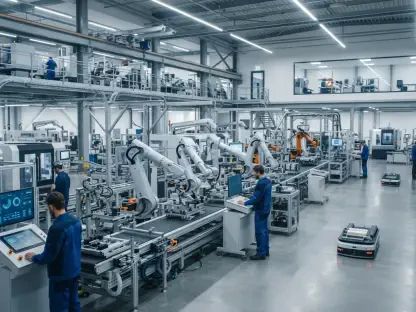
Technological innovation is the cornerstone of the new aseptic suite, featuring a high-speed, 10-head Groninger UFVN FlexFill line. This machinery is fully integrated with a SKAN isolator, representating a significant leap forward from traditional cleanroom environments. By utilizing an isolator-based system, the facility achieves superior aseptic control, effectively separating the human operator from the product. This setup minimizes the potential for microbial contamination, which is the primary risk factor in sterile manufacturing.
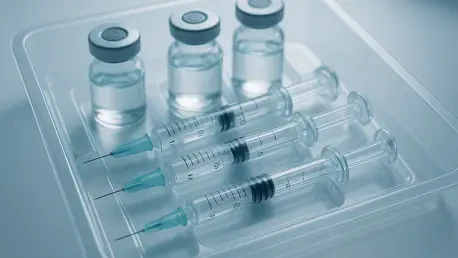
The production line is designed around a “ready-to-use” (RTU) component philosophy, which streamlines the manufacturing process significantly. Pre-sterilized vials, syringes, and cartridges are fed directly into the line, while single-use disposable technology is utilized throughout the fluid path. This approach not only enhances safety but also increases batch-to-batch efficiency. With a total annual capacity exceeding 50 million units and the ability to handle batch sizes up to 250,000 units, the infrastructure is built to support both niche clinical trials and large-scale commercial distribution.
Compliance and Commercial Readiness: The Path to FDA Approval
Moving from construction to full operational status requires a rigorous and phased qualification process throughout 2026. The company is currently on track to initiate Good Manufacturing Practice (GMP) production by the end of this year. This “plant within a plant” strategy is particularly efficient because it leverages existing, FDA-approved infrastructure. The sterile suite utilizes the airflow and HVAC systems from the primary facility, which already maintains high standards for oral solids and controlled substances.
The true milestone for the expansion will occur in the first quarter of 2027 with the manufacture of the first commercial injectable product. This specific production run was designed to trigger a mandatory FDA inspection, which is a required step for formalizing the site’s status as a certified commercial injectable manufacturer. This structured path ensures that by the time full commercial operations commence, the facility will have demonstrated complete adherence to the highest regulatory standards for sterile processing.
A Blueprint for Resilient Domestic Injectable Manufacturing
The strategy implemented by Halo Pharma provided a clear pathway for stabilizing the domestic supply of critical medication. By focusing on high-demand areas like narcotic syringes, the company addressed a specific niche that suffered from chronic shortages. This focus on high-value, specialized products allowed the organization to differentiate itself from generic mass-producers. Stakeholders recognized the necessity of this pivot, as it offered a practical solution for transitioning from clinical development to large-scale distribution without the typical long lead times.
Future considerations for the industry involved the adoption of similar “ready-to-use” and single-use technologies to maintain high compliance while reducing overhead. The successful integration of the Groninger and SKAN systems demonstrated that domestic facilities could remain competitive through high-tech automation. Ultimately, the framework established in New Jersey served as a model for how existing pharmaceutical infrastructure could be revitalized to meet the urgent needs of modern medicine. Actionable steps taken during this expansion ensured that the supply chain became more resilient against future global disruptions.