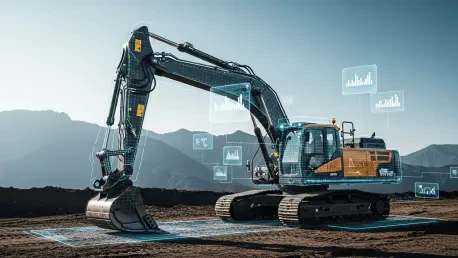

The sight of a multi-million dollar excavator sitting idle due to a preventable hydraulic failure is becoming a relic of an era when fleet management relied on intuition rather than empirical evidence. Modern industrial operations now treat heavy machinery as mobile data centers capable of broadcasting thousands of data points every second to central command hubs. This shift from the traditional “break-fix” mentality toward a sophisticated, data-driven strategic discipline marks a turning point in how construction and mining sectors perceive their assets. Instead of waiting for a component to fail or following rigid, time-based maintenance schedules that often lead to unnecessary downtime, managers utilize telematics to gain a comprehensive view of the entire value chain. By integrating these machines into a cohesive digital ecosystem, organizations can move beyond basic mechanical integrity to maximize the long-term value of every asset on the ledger. This evolution has turned equipment management into a high-level business strategy that prioritizes system-wide efficiency.
Bridging the Gap: From Raw Data to Actionable Performance Intelligence
The primary challenge facing fleet owners today is no longer a scarcity of information but rather the overwhelming volume of data streams that must be synthesized into actionable intelligence. High-definition sensors installed on contemporary haulers and loaders track everything from specific fuel consumption rates to engine load factors and even operator-induced stress on the frame. However, this wealth of information remains essentially dormant unless it is funneled through analytical frameworks that answer critical questions about operational efficiency. For instance, analyzing idle times alongside bucket fill factors allows managers to identify sub-optimal loading cycles that might otherwise go unnoticed during a standard shift. By focusing on optimization rather than mere machine operation, businesses can ensure that every hour of engine run-time contributes directly to the bottom line, effectively turning potential waste into a measurable competitive advantage through granular insights.
Achieving genuine fleet optimization requires a holistic approach that transcends the monitoring of individual units to focus on the total cost of ownership and human-machine synergy. Successful organizations look past the performance of a single excavator to understand how the entire fleet ecosystem interacts to meet aggressive production targets in real-time. This involves using advanced analytics to manage lifecycle costs, ensuring that machines are replaced or refurbished at the exact moment when their maintenance expenses begin to outweigh their productivity. Furthermore, the most significant operational gains often occur when these sophisticated telematics systems are paired with experienced personnel who can interpret the nuances behind the numbers. When site managers understand the underlying causes of equipment fatigue or fuel spikes, they can implement incremental changes in hauling routes or operator training that result in substantial cost savings across the entire organization.
Maximizing Operational Resilience: Strategic Applications in Remote Environments
In demanding environments such as the African mining sector, data-driven management has become an essential tool for providing visibility over remote worksites where resources are often scarce and logistics are complex. When success is measured strictly by high-stakes productivity metrics like tonnes moved per hour, the ability to monitor fuel levels and machine health in real-time serves as a critical safeguard against operational paralysis. This level of transparency allows site supervisors to move away from outdated manual reporting methods that are prone to human error and significant delays. By having a digital twin of the site’s activity, managers can ensure that every asset performs at peak capacity, even in the harshest and most isolated conditions where a single breakdown could halt production for days. Consequently, the integration of these technologies has transformed remote operations from high-risk gambles into predictable, high-yield industrial processes.
The move toward data-driven resilience also enables a more sophisticated approach to environmental and economic sustainability within the heavy equipment industry. By treating machine data as a strategic asset, companies can optimize site layouts to reduce travel distances, thereby lowering both fuel consumption and carbon emissions without sacrificing output. This optimization strategy turns information into a tool for economic resilience, allowing firms to remain profitable even when global commodity prices or fuel costs fluctuate unpredictably. Furthermore, the transparency provided by telematics fosters a culture of accountability among operators, as performance data is used to highlight best practices rather than simply penalizing mistakes. As a result, the competitive edge in the global infrastructure sector now belongs to those who can effectively transform raw machine telemetry into faster, smarter, and more profitable business decisions that withstand the pressures of volatile markets.
Predictive Evolution: The Transition to Anticipatory Asset Management
The transition to predictive management established a new benchmark for operational excellence by utilizing sophisticated analytics to anticipate mechanical failures before they occurred. Fleet managers who successfully implemented these strategies recognized that the true power of data lay in its ability to forecast the future state of a machine based on historical performance patterns. These organizations moved beyond reactive repairs and focused on actionable steps, such as integrating artificial intelligence to simulate various “what-if” scenarios for project planning and resource allocation. By doing so, they mitigated the risks associated with unforeseen downtime and extended the functional lifespan of their most expensive assets. Future considerations for the industry now involve the seamless integration of autonomous systems and edge computing to process data even faster at the point of origin. Ultimately, the adoption of these advanced analytical frameworks provided the necessary foundation for a more resilient and profitable industrial landscape.