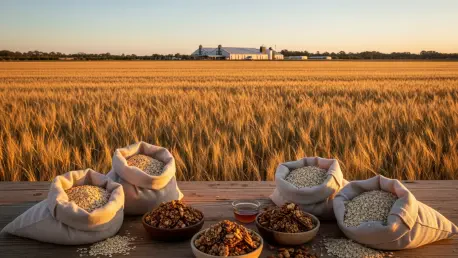

The vast golden expanses of Western Australia’s Central Wheatbelt have long been synonymous with high-volume grain exports, yet few farmers successfully manage to transform their raw harvests into premium, consumer-facing brands that command a presence on specialty shelves. Estelle Madaffari recognized this missed opportunity while observing the high-quality oats grown on her family’s farm, contrasting them with the uninspired and heavily processed breakfast options typically found in local grocery stores. Leveraging a background in marketing and public relations, she identified a clear pathway to move beyond broadacre farming and into value-added manufacturing. This transition was fueled by a desire to champion local produce while providing a health-conscious alternative to mass-produced cereals. By focusing on regional authenticity and nutritional integrity, the enterprise sought to bridge the gap between the primary producer and the end consumer, ensuring that the inherent value of the crop remained within the local economy rather than being shipped away as a bulk commodity.
Harnessing the Nutritional Power of Local Oats
Central to the brand’s market differentiation was the strategic promotion of oats as a functional superfood, moving them beyond the perception of being a simple pantry staple or a bland porridge base. The company focused heavily on the high fiber and protein content inherent in whole-grain oats, specifically highlighting the significant health benefits associated with beta-glucan. This specific type of soluble fiber has gained widespread recognition for its scientifically backed ability to manage cholesterol levels and regulate blood sugar responses. By positioning the granola as a clean-label alternative to highly processed protein bars or snack packs, the brand tapped into a growing trend where consumers prioritize whole-food sources for their daily nutritional intake. This approach allowed the company to speak directly to health-conscious individuals who are actively seeking functional benefits, such as improved cardiovascular health and sustained energy levels, rather than just basic calorie consumption.
Furthermore, the emphasis on whole-food ingredients allowed the brand to distance itself from the artificial sweeteners and synthetic thickeners that frequently dominate the cereal aisle. In a market where labels are scrutinized more than ever, the simplicity of the ingredients—oats, Australian honey, and local nuts—served as a powerful marketing tool that reinforced trust between the producer and the consumer. This commitment to nutritional purity meant that the products were not only flavorful but also served as a reliable tool for long-term weight management and digestive health. By aligning the brand with these wellness goals, the company expanded its reach to gyms, wellness retreats, and health clinics, where the demand for transparent and beneficial food products is consistently high. This focus on functional nutrition transformed the granola from a basic commodity into a specialized health product, proving that raw agricultural materials can be significantly elevated through a clear focus on their inherent physiological benefits and modern consumer needs.
Bridging the Gap Between Farming and Boutique Manufacturing
The operational model utilized by the company is defined by a meticulous grain-to-granola process that begins directly on the family’s mixed-farming enterprise in the heart of the Wheatbelt. Once the oats are harvested during the peak season, they are sent to a specialized facility to be rolled, ensuring the integrity of the grain is preserved before being returned to a commercial kitchen in Merredin. This localized value-adding phase involves toasting the oats and carefully blending them with Australian honey and locally sourced nuts, creating a transparent supply chain that is rare in the industrial food sector. This hands-on approach grants the team total control over every aspect of production, from the initial planting of the seed in the soil to the final sealing of the packaging. By keeping these steps close to the source, the company guarantees a level of freshness and quality that is often lost in long-distance industrial manufacturing chains, where ingredients may sit in warehouses for extended periods.
To manage the inherent complexities of scaling up from a kitchen-based operation to a larger enterprise, the company integrated professionalized systems such as Fishbowl inventory management software. This digital transition was a crucial step for maintaining HACCP compliance and streamlining the extensive paperwork involved in managing various blends and perishable ingredients across different production cycles. While technology provided the necessary structure for growth, the production process itself remained artisanal at its core, relying on a dedicated kitchen team to oversee each batch. This human element ensures that the granola meets strict sensory standards for texture, aroma, and consistency that automated machines might overlook. By blending modern logistical software with traditional cooking methods, the business successfully professionalized its operations without sacrificing the small-batch quality that initially built its reputation. This balance allowed the company to meet increasing demand while maintaining rigorous quality assurance.
Strategic Pivoting Toward the Foodservice Sector
While the initial business strategy focused on securing shelf space within major retail supermarkets, the company soon discovered that the foodservice industry offered a more sustainable and scalable pathway for growth. The surge in gourmet breakfast trends, particularly the popularity of elaborate smoothie bowls and high-end hotel breakfast buffets, created an urgent demand for premium granola that traditional retailers often could not fulfill. By pivoting away from the highly competitive and price-sensitive retail landscape, the brand was able to establish direct relationships with cafes and hospitality providers who were eager to upgrade their menus with authentic, local ingredients. This move allowed the company to tap into a market where quality and story often outweigh the convenience of mass-market brands. Providing a product that resonated with chefs and food critics helped build a level of prestige that eventually trickled back into retail interest, creating a multifaceted brand presence.
This strategic shift to the foodservice sector allowed the company to leverage its inherent flexibility as a smaller, more nimble manufacturer compared to large industrial rivals. Unlike massive producers that require long lead times and high minimum orders for custom products, this regional enterprise could collaborate directly with chefs to develop tailored blends that met specific dietary needs or textural preferences. This level of customization fostered incredibly strong partnerships within the hospitality industry, providing a stable and predictable revenue stream that proved far less volatile than the unpredictable nature of consumer retail trends. It transformed the brand from a local specialty into a versatile partner for major foodservice operators across the country, ranging from boutique coastal cafes to large-scale hotel chains in major metropolitan hubs. By focusing on the specific needs of hospitality professionals, the company cemented its position as a reliable supplier of high-quality, farm-sourced breakfast solutions.
Overcoming Logistical Hurdles: A Road Map for Future Success
Operating a growing business from a remote regional location like Merredin brings a unique set of challenges, particularly concerning labor availability and the high costs associated with national transportation. Recruiting and retaining a skilled workforce in regional Western Australia requires a deep and ongoing commitment to the local community, which the founder views as a fundamental pillar of the business mission. Beyond staffing, the logistics of transporting bulk products to customers in distant states such as Queensland and New South Wales involves navigating complex freight networks and rising fuel costs that must be managed with extreme precision. To maintain a competitive price point while absorbing these overheads, the company optimized its shipping routes and packaging efficiency. Despite these geographical obstacles, the commitment to remaining in the Wheatbelt reinforced the brand’s identity as an authentic enterprise that is deeply rooted in the resilience of the Australian farming lifestyle.
The evolution of this granola brand from a farm-based concept to a national foodservice supplier provided a clear roadmap for agricultural entrepreneurs who aimed to maximize the value of their raw commodities. By prioritizing functional nutrition and the distinct quality of local oats, the company established a premium niche that resisted the downward price pressures of the commodity market. The integration of advanced inventory systems alongside artisanal production methods ensured that scaling did not come at the expense of quality or safety compliance. Strategic focus shifted toward the hospitality sector, where the demand for customization and authenticity allowed for higher margins and stronger business relationships. These steps demonstrated that success for similar ventures depended on investments in sustainable packaging and the expansion of direct-to-chef distribution networks. The brand successfully utilized its regional identity to build trust, proving that a transparent supply chain was a vital asset in the food industry.