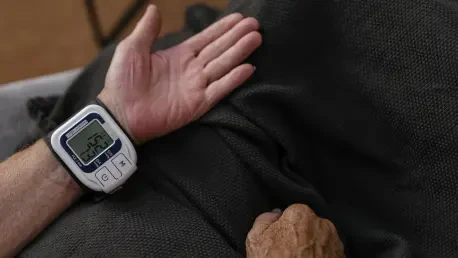

Passive fall detection utilizes room-based sensors or cameras to provide a secondary layer of protection without requiring the user to wear a physical button. This technological advancement represents just one facet of a rapidly diversifying market where the stakes for personal safety have never been higher for the aging population. As families in 2026 navigate a landscape filled with various wearable and ambient monitoring solutions, the challenge lies in distinguishing between mere marketing hype and genuine life-saving reliability. Selecting an appropriate system requires a nuanced understanding of how these devices perform under the pressure of real-world emergencies, where every second saved during the dispatch process correlates directly with better health outcomes. Beyond the hardware itself, the decision involves assessing the infrastructure of monitoring centers and the psychological readiness of the senior who will ultimately be responsible for utilizing the service. A successful choice balances advanced technical specifications with a high degree of user comfort, ensuring that the device remains a helpful companion rather than a burdensome reminder of physical vulnerability. The evolution of the industry has shifted focus toward a more holistic approach to safety, where data-driven insights and human-centric design converge to provide a robust safety net for independent living.
Rigorous Testing: Establishing Performance Metrics
The foundation of a reliable medical alert recommendation rests upon rigorous empirical testing that simulates the chaotic environment of a sudden medical crisis. In current 2026 evaluations, researchers prioritize the speed and accuracy of call connections, as these metrics are the most critical predictors of a system’s efficacy. Lab-controlled environments allow for precise measurement of the interval between a button press and the moment a live operator answers the call. High-performing systems consistently achieve connection times within a narrow window, typically under thirty seconds, across various network conditions. This speed is complemented by the clarity of two-way audio communication, which must remain audible even if the senior is several feet away from the base station or wearing a mobile pendant under layers of clothing. Testing protocols also include heavy scrutiny of GPS location tracking accuracy, particularly for mobile devices used outside the home. Modern systems are expected to pinpoint a user’s location within a few meters, a capability that is essential for emergency responders who need to locate a person in a public park, a parking lot, or a sprawling shopping center without delay.
Beyond the technical hardware, the professional conduct of the monitoring center personnel serves as a vital component of the overall safety experience. Expert analysis involves placing hundreds of test calls to evaluate how operators handle different scenarios, ranging from accidental activations to simulated high-stress emergencies. A superior operator demonstrates a calm, authoritative demeanor while efficiently gathering necessary information and providing reassurance to the caller. They must be trained to follow specific protocols that involve contacting local emergency services and designated family members simultaneously. Furthermore, the logistical aspects of customer service, such as the ease of the initial setup and the responsiveness of technical support teams, contribute to the long-term viability of the system. If a device is too difficult to install or if the charging process is overly complex, the risk of the senior abandoning the technology increases significantly. Therefore, a comprehensive evaluation looks past the initial hardware purchase to assess the entire service ecosystem, ensuring that the support structure is just as resilient as the wearable device itself.
Psychological Integration: Fostering User Acceptance
The most advanced medical alert system in the world provides zero benefit if it remains on a bedside table instead of being worn by the user. Addressing the psychological barriers to adoption is a critical step that requires sensitivity and a strategic shift in how the technology is presented to seniors. Many older adults view these devices as symbols of declining health or a loss of autonomy, which can lead to significant resistance or even outright refusal to use the system. Occupational therapy experts suggest that the most successful integrations occur when the technology is framed as a tool for maintaining independence and staying in one’s own home for a longer duration. By highlighting how the device provides a safety net that allows for continued social engagement and physical activity, caregivers can pivot the conversation away from frailty toward empowerment. This approach acknowledges the senior’s desire for self-sufficiency while introducing a pragmatic solution for the risks associated with aging in place.
Involving the older adult in the decision-making process is another essential strategy for ensuring consistent use and long-term compliance. When a senior has the opportunity to select the specific style, color, or form factor of their device—whether it is a traditional pendant, a discreet wristband, or a modern smartwatch—they develop a stronger sense of ownership over the safety plan. Research indicates that a transition period of roughly three months is standard as users become accustomed to the daily routine of wearing and charging their equipment. During this time, patience and open communication from family members are paramount to help the user overcome any initial self-consciousness. Some modern systems have addressed the “stigma” issue by designing hardware that looks indistinguishable from popular consumer electronics, such as fitness trackers or high-end watches. This evolution in design philosophy helps normalize the presence of medical alert technology in everyday life, making it much easier for seniors to incorporate these life-saving tools into their wardrobes without feeling characterized by their age or health status.
Diverse Platforms: Categorizing Modern Hardware
Modern medical alert technology is broadly categorized into three distinct types, each designed to suit specific activity levels and living arrangements. At-home systems remain a staple for those who spend the majority of their time within their residence, utilizing a powerful central base station that connects via cellular networks or traditional landlines. These units are typically paired with lightweight wearable buttons that have a significant range, often extending to the edges of a backyard or a garage. However, the limitation of these systems is the fixed perimeter; if a senior wanders too far from the base station, the connection may be lost. In contrast, mobile GPS-enabled devices are designed for the active individual who frequently leaves the house for errands, exercise, or social visits. These standalone units utilize nationwide cellular coverage to provide protection anywhere the user goes. While they offer much greater freedom, they do require more frequent charging, a factor that must be weighed against the user’s ability to maintain a consistent charging schedule.
The third and most rapidly growing category is the medical alert smartwatch, which bridges the gap between specialized safety equipment and mainstream technology. These devices are particularly appealing to a younger cohort of seniors who are already comfortable with digital interfaces and desire a multi-functional tool. Beyond the emergency SOS button, these watches often include health-tracking features such as heart rate monitoring, step counting, and even medication reminders, making them a central hub for daily wellness. Furthermore, the ecosystem is often expanded through the use of specialized accessories like voice-activated smart speakers or wall-mounted buttons placed in high-risk areas like the bathroom. These peripheral devices ensure that help is accessible even if the wearable component is momentarily out of reach. For caregivers, the integration of mobile applications allows for remote monitoring of activity levels and location, providing an extra layer of reassurance without being overly intrusive. This variety of hardware options ensures that a solution exists for every lifestyle, from the homebound senior to the frequent traveler.
Safety Optimization: Fall Detection and Routine Maintenance
Automatic fall detection has become one of the most requested features in the medical alert industry, utilizing sophisticated accelerometers and algorithms to identify the unique signature of a fall. This technology is particularly valuable because it can initiate a call for help even if the user is knocked unconscious or is too disoriented to press the button manually. While the accuracy of these sensors has improved dramatically by 2026, they are not entirely foolproof and can occasionally be triggered by sudden movements or dropping the device. Users and caregivers must understand that fall detection is an auxiliary safety layer rather than a perfect guarantee. Most companies offer this feature for an additional monthly fee, and it is generally recommended for individuals with a history of balance issues or those taking medications that cause dizziness. The decision to include fall detection should be based on a realistic assessment of the individual’s specific risk profile and their comfort level with the potential for occasional false alarms that require a quick clarification with the monitoring center.
To ensure that the medical alert system remains fully operational over the long term, a consistent maintenance and testing protocol must be established. Experts and manufacturers alike recommend that users perform a manual test call at least once every month to verify the integrity of the connection and the health of the battery. This routine serves a dual purpose: it confirms that the hardware is functioning correctly and it keeps the user familiar with the process of interacting with a live operator. Regular practice reduces the likelihood of panic during a genuine emergency, as the senior becomes accustomed to the sequence of events that follows a button press. Additionally, maintaining the physical device involves keeping it clean and ensuring that charging contacts are free of debris, which could interfere with power delivery. For mobile units, checking the cellular signal strength in different areas of the home and local neighborhood is also advisable to identify any potential “dead zones” where coverage might be spotty. By treating the medical alert system as a piece of critical infrastructure that requires periodic upkeep, families can ensure that the technology remains a reliable lifeline when it is needed most.
Strategic Implementation: Looking Toward Continued Safety
The process of implementing a medical alert solution concluded with a shift toward proactive safety management and long-term planning. The research determined that the most effective outcomes were achieved when the technology was integrated into a broader care plan rather than treated as a standalone fix. By 2026, the industry moved toward a model where the data collected from these devices helped family members and healthcare providers identify patterns of decline before a crisis occurred. The evaluation indicated that families who established clear communication protocols—deciding who would be called first and under what circumstances—experienced much lower levels of stress during actual incidents. This strategic approach ensured that every stakeholder understood their role in the emergency response chain, from the initial dispatchers to the local emergency medical services. The focus on actionable insights transformed the medical alert system from a passive emergency button into an active participant in the senior’s health and wellness journey.
The final analysis showed that the successful longevity of a medical alert system depended on a commitment to evolving with the user’s needs. As physical or cognitive conditions changed, the system was adjusted to include more sensitive fall detection or additional wall-mounted buttons in newly identified high-risk zones. The research also highlighted the importance of staying informed about software updates and hardware upgrades that improved GPS accuracy or battery life. Ultimately, the transition to a medical alert system was recorded as a significant milestone in maintaining a senior’s quality of life. By choosing a system based on rigorous performance standards and fostering a culture of acceptance, caregivers provided a foundation of security that supported both physical safety and emotional peace of mind. The implementation of these tools proved that technology, when applied with empathy and technical precision, served as a vital bridge to a safer and more autonomous future for the aging population.