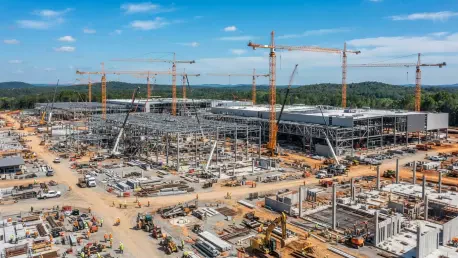

The move to Georgia marks a fundamental restructuring of Audi’s global footprint, ending an era where its most popular American models were built exclusively overseas. By committing $4 billion to a massive manufacturing project in Perry, Georgia, the German automaker is signaling a decisive pivot away from its long-standing reliance on imports to sustain its North American market share. This investment represents more than just a physical expansion; it is a calculated response to a changing geopolitical landscape where trade barriers have become a permanent fixture of international business. The brand is currently facing significant financial pressure in the United States, where high tariffs and logistical costs have turned its regional operations into a loss-making venture. By establishing a third global production pillar alongside Europe and China, Audi intends to reclaim its competitive edge against domestic rivals like BMW and Mercedes-Benz, both of whom have benefited from localized manufacturing for years.
Building From the Ground up: The Greenfield Advantage
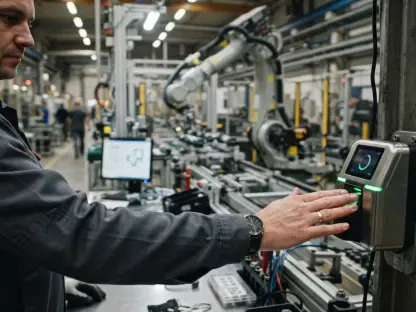
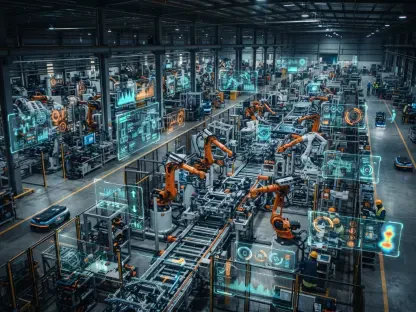
Opting for a greenfield development at the Middle Georgia Mega Site allows Audi to bypass the inherent inefficiencies found in retrofitting existing Volkswagen Group facilities. When a manufacturer adapts an old plant, it often has to work around legacy infrastructure, outdated floor plans, and incompatible logistics systems that can stifle innovation. In Georgia, Audi engineers are designing the entire workflow from the ground up, integrating the most advanced automation and flexible body shop architectures available in the industry today. This level of customization ensures that the plant can handle various vehicle platforms with minimal downtime, making it a highly efficient hub for production. By starting with a clean slate, the company can also implement sustainable energy solutions and state-of-the-art waste management systems from day one. This proactive approach to facility design is expected to significantly lower long-term operating costs while maximizing output.
Initially, the Georgia facility will concentrate its efforts on the most profitable segments of the American automotive market, specifically large SUVs. The luxury brand confirmed that the plant will serve as the primary assembly site for the Q7, Q8, and the upcoming Q9 models, which have historically been imported from Bratislava, Slovakia. Producing these high-demand vehicles locally eliminates the massive logistical hurdles and shipping times associated with transatlantic transport. Furthermore, having production lines closer to the consumer base allows for a more responsive supply chain, enabling Audi to adjust production volumes based on real-time market trends. This strategy not only protects the company from shipping delays and rising freight costs but also ensures that dealerships remain well-stocked with the specific configurations that American buyers prefer. Shifting SUV production to the United States represents a fundamental shift in how the brand manages its product mix.
Overcoming the Multi-Billion Dollar Tariff Burden
The central motivation behind this rapid expansion is the heavy financial toll imposed by current trade policies and import duties. In 2025, the Volkswagen Group faced a staggering $4 billion in tariff-related expenses, with Audi alone bearing roughly $1.4 billion of that total cost. When evaluated against these figures, the $4 billion capital expenditure required for the new Georgia plant becomes a highly logical financial maneuver. In essence, the cost of the factory is equivalent to approximately three years of tariff payments at the current rates, making it a self-funding investment over the medium term. By localizing production, Audi effectively removes this recurring financial burden from its balance sheet, allowing those funds to be reinvested into research and development or marketing efforts. This strategy provides a level of financial predictability that is impossible to achieve when relying on vehicles subjected to volatile international trade agreements.
Beyond the immediate cost savings, the establishment of a domestic manufacturing base serves as a powerful diplomatic tool in ongoing trade negotiations. Reports indicate that the federal government utilized the promise of tariff relief as a primary incentive to secure Audi’s commitment to the Georgia site. While the initial goal was to reduce the 15% tariff on European imports by half, the final agreement is expected to settle on a reduced ceiling of approximately 10%. This relief program is part of a broader federal effort to encourage European automakers to relocate their supply chains within the borders of the United States. By participating in this initiative, Audi not only secures a more favorable tax environment but also builds a stronger relationship with American policymakers. This level of cooperation is essential for navigating the complex regulatory landscape of the automotive industry, where government incentives often dictate the long-term viability of new technology.
Transitioning From Importer to Domestic Manufacturer
Audi’s leadership has been transparent about the fact that their previous business model, which relied almost exclusively on vehicles built abroad, had become unsustainable in the modern era. By transitioning into a domestic manufacturer, the brand is undergoing a major identity shift within the American market. Localized production often fosters a deeper sense of brand loyalty among consumers who appreciate a company’s direct investment in the local economy and the creation of thousands of high-quality jobs. Moving from a vulnerable exporter to a domestic player also shields the company from the negative effects of currency exchange rate fluctuations, which can often erase profit margins overnight. This strategic repositioning allows Audi to present itself as a stakeholder in the American industrial landscape rather than a foreign entity merely looking to sell products. The move is viewed by executives as a necessary evolution to realize the brand’s full potential in a crowded field.
Manufacturing cars in Georgia also provides the unique opportunity to tailor vehicle designs and features specifically to the preferences of American drivers. The upcoming Q9, for instance, is being developed with a heavy emphasis on the requirements of the United States market, where large, feature-rich SUVs dominate the luxury segment. Having designers and engineers working in close proximity to the manufacturing site ensures that consumer feedback can be integrated into the production process more quickly and efficiently. This creates a feedback loop that is far more effective than trying to manage product development across multiple time zones and continents. By focusing on models that resonate most with local buyers, Audi can maximize its sales volume and improve its overall market share in the premium segment. This focus on regionalization ensures that the vehicles rolling off the assembly line are perfectly aligned with the expectations of the people who will actually drive them.
Balancing Growth in America With Austerity in Europe
The significant investment in a brand-new facility in the United States stands in stark contrast to the current operational strategy being employed across Europe. In its domestic German market, Audi is currently grappling with intense cost pressures and a focus on maximizing the efficiency of its existing, often aging, infrastructure. While the Georgia plant is being built with the latest technology, German facilities like the one in Ingolstadt are being forced to adopt an austerity-driven approach. This includes recycling over a thousand manufacturing components and hundreds of robots from discontinued production lines to build newer models like the A2 e-tron. This dichotomy highlights a dual-track strategy where the company is simultaneously cutting costs in legacy markets while aggressively investing in high-growth regions. The goal is to use the potential profits from a modernized American operation to provide a financial safety net for the rest of the global organization during these difficult times.
Management remains adamant that a profitable and self-sufficient North American business is essential for the long-term survival of the entire brand. They argued that the previous reliance on European production for American sales created an imbalance that made the company too vulnerable to regional economic downturns. By diversifying its manufacturing footprint, Audi creates a more stable global network that can better withstand localized financial shocks. While the focus on American growth has caused some concern among the European workforce regarding future job security, leadership maintains that a stronger global company ultimately benefits all employees. A successful U.S. arm will provide the necessary capital to continue funding the expensive transition to electric vehicles and other advanced mobility solutions. This strategic balance between domestic austerity and international expansion is designed to ensure that Audi remains a leading force in the luxury automotive sector for decades to come.
Navigating the Long-Term Path: Strategic Localization
The decision to invest $4 billion in a Georgia production facility represented a fundamental shift in how the automotive industry approached global trade challenges. Audi management recognized that the era of unfettered global exports was ending and that regionalization was the only viable path forward for sustained growth. By prioritizing the localized production of high-margin SUVs, the company moved to eliminate the multi-billion dollar tariff burden that had previously eroded its profitability. This forward-looking strategy provided a blueprint for other international brands facing similar protectionist pressures in major markets. The project successfully aligned political interests with corporate goals, demonstrating that large-scale domestic investment could serve as an effective hedge against trade volatility. Ultimately, the establishment of the Middle Georgia Mega Site acted as a foundational element in the company’s efforts to stabilize its financial health while preparing for the next generation of luxury transportation.
Industry observers noted that the long lead time for the project necessitated a period of intense financial discipline as the brand navigated the high-tariff landscape before the factory opened. The strategy required the board to balance immediate losses against the promise of future self-sufficiency and market dominance. Actionable insights from this transition suggested that successful manufacturers must prioritize supply chain resilience over short-term savings found in centralized production models. Companies were encouraged to foster deeper ties with local governments to secure the necessary infrastructure and regulatory support for such massive undertakings. The move also underscored the importance of designing products that were intrinsically linked to the regions where they were manufactured. As the first vehicles reached American dealerships from the Georgia line, the brand proved that proactive localization was a critical strategy for any luxury player in an increasingly fragmented global market.