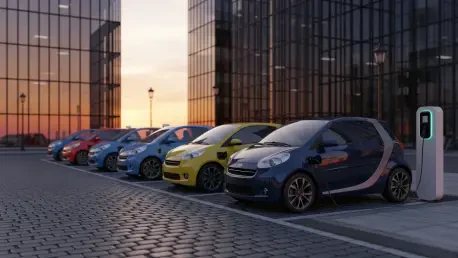

The European automotive landscape stands at a critical crossroads where the high cost of battery production often collides with the consumer demand for accessible urban mobility. Stellantis has responded by initiating a major strategic shift known as the “E-Car” project, a comprehensive program designed to democratize electric vehicles through several of the group’s diverse brands. This initiative prioritizes the production of affordable, compact battery-electric vehicles with assembly slated to begin within the next two years at the Pomigliano d’Arco plant near Naples, Italy. By selecting this specific facility, which possesses a storied history of manufacturing iconic small cars like the Fiat Panda, the group is leveraging its deep European heritage to address the current shortage of cost-effective mobility options. This move is not just a production shift but a statement of intent to maintain market share against a rising tide of international competitors who have successfully lowered entry barriers in the electric segment.
Global Partnerships: Bridging the Technological Gap
A central component of the E-Car project is the integration of advanced technologies developed in collaboration with selected external partners to accelerate development cycles. While specific technical specifications for the upcoming 2028 models remain confidential, the strategy clearly points toward a reliance on external expertise to achieve a faster time-to-market and significantly lower production costs. Recent corporate moves suggest these partners may include specialized firms with established supply chains; for instance, the group recently confirmed that Opel will be the first brand to utilize technology from Leapmotor. This collaborative approach allows the company to bypass the lengthy research and development phases typically associated with internal powertrain development. By integrating pre-validated battery and motor technologies, the group can focus its internal resources on design, ergonomics, and brand-specific driving dynamics that resonate with European buyers.
This reliance on international technological partnerships is a direct response to the increasing pressure from the Volkswagen Group’s upcoming electric small-car lineup and a broader influx of affordable competitors. The automotive industry is currently witnessing a race to the bottom in terms of pricing, as manufacturers realize that the mass adoption of electric mobility depends entirely on the availability of vehicles priced for middle-income households. If Stellantis fails to deliver a vehicle that competes on price without sacrificing range or safety, it risks losing the entry-level segment that has historically been its strongest foothold. Consequently, the E-Car initiative is strategically positioned to create a defense against rivals who have already mastered low-cost battery chemistry. By blending international efficiency with European manufacturing standards, the group aims to create a hybrid business model that offers the best of both worlds in terms of cost and quality.
Regional Manufacturing: Navigating the Subsidy Landscape
The decision to centralize production at the Pomigliano d’Arco facility is a calculated move to navigate the shifting regulatory landscape of the European Union. Currently, the European Commission is debating legislation that would mandate local assembly and a high threshold for European-sourced components for vehicles to qualify for state subsidies. By emphasizing that these cars will be produced in Europe for Europeans, the group is aligning its manufacturing footprint with these emerging economic policies to ensure its vehicles remain eligible for financial incentives. This localization strategy also mitigates risks associated with global logistics and fluctuating shipping costs which often plague imported models. Furthermore, the Naples plant provides a skilled workforce already accustomed to the high-volume production demands of the small car segment. This infrastructure ensures that the transition to electric platforms can happen relatively seamlessly without requiring a total overhaul of the existing facility.
Beyond regulatory compliance, the focus on European manufacturing serves as a marketing tool to appeal to consumers who are increasingly conscious of the environmental and ethical footprints of their purchases. Meeting the seventy-percent threshold for local components is a significant logistical hurdle, yet it provides a level of economic resilience that purely imported competitors cannot match. If regional trade barriers or carbon border adjustments become more stringent by the end of the current decade, the “E-Car” project will already have established a localized supply chain that bypasses these hurdles. This foresight allows the company to lock in production costs and provide stable pricing to consumers who are often wary of the volatility in the electric vehicle market. Moreover, a robust local supply chain fosters innovation within the European parts sector, potentially leading to new breakthroughs in battery recycling or motor efficiency that can be scaled across the entire Stellantis portfolio.
Strategic Architectural Evolution: The Path Toward 2028
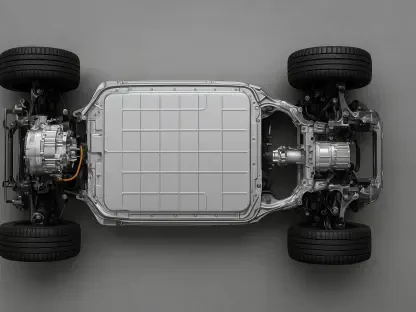
CEO Antonio Filosa has framed the E-Car project as a revival of traditional European mobility, focusing on stylish and environmentally friendly vehicles that do not sacrifice affordability. The broader strategy appears to focus on a lead brand architecture, where Peugeot and Fiat take the helm for European small cars while sharing their underlying platforms with other brands in the portfolio. This platform-sharing model is essential for achieving the economies of scale necessary to drive down the per-unit cost of electric vehicles. Under this arrangement, a single platform can support multiple body styles and brand identities, from rugged urban crossovers to sleek city hatchbacks. This versatility ensures that the group can satisfy a wide range of consumer preferences without the prohibitive expense of developing unique chassis for every badge. The transition to this architecture represents a high-stakes effort to dominate the entry-level segment through a blend of shared assets and distinct branding.
The E-Car project established a definitive framework for how traditional manufacturers could successfully pivot to meet the demands of a changing global market. By 2026, the groundwork for the 2028 production cycle had already proven that localized assembly combined with strategic international partnerships was a viable path toward affordability. Industry observers noted that the decision to utilize the Pomigliano d’Arco plant served as a catalyst for renewed investment in regional supply chains. This approach allowed the company to bypass the economic pitfalls that hindered competitors who relied too heavily on centralized global production. Moving forward, stakeholders remained focused on ensuring that the integration of Leapmotor technology stayed consistent with the quality expectations of European drivers. The success of this initiative ultimately hinged on the ability to maintain thin margins while scaling production to meet the mass-market demand for sustainable urban transportation solutions.