
Italy’s export turnover for pharmaceutical contract manufacturing has quadrupled over the last decade, underscoring the sector’s role as a cornerstone of the national economy. This remarkable trajectory has catapulted the nation to the forefront of the European Contract Development and Manufacturing Organization (CDMO) market, where it currently holds a commanding 24 percent share of the total European Union output. By reaching a turnover of approximately 4.3 billion euros in the most recent fiscal evaluations, the Italian industry has effectively outpaced major industrial powerhouses like Germany and France. This leadership is not merely a result of historical legacy but a consequence of a highly specialized ecosystem that serves as the primary engine of domestic production. The sector’s expansion remains a focal point for economic stability, providing a robust buffer against broader industrial fluctuations. Italy’s performance remains unrivaled across the continent, reflecting a deep-seated commitment to pharmaceutical excellence and industrial agility.
The sustained growth of the Italian CDMO landscape is characterized by a relentless upward trend and a dominant presence in international markets. Statistics from the 2025 period revealed a staggering 352 percent increase in export turnover since 2015, highlighting the global appetite for Italian manufacturing precision. Currently, 85 percent of the sector’s total revenue is generated from global trade, representing a sharp rise from the 65 percent reported just ten years ago. While other nations like Spain are showing high growth rates and smaller markets like Romania and the Netherlands are expanding rapidly, Italy’s massive cumulative volume and consistent 7.4 percent annual growth allow it to maintain a significant lead over its closest rivals. This internationalization has transformed local firms into global entities that navigate complex regulatory environments with ease. This global reach ensures that the Italian pharmaceutical supply chain remains indispensable to multinational corporations seeking reliability and quality.
Fueling Growth Through Strategic Investment
Capital Expenditure: Modernizing the Industrial Base
A primary catalyst for Italy’s sustained leadership is a robust commitment to reinvesting profits back into the industry at rates far exceeding those of neighboring nations. On average, Italian CDMOs reinvest 17 percent of their turnover into their operations, a figure that is more than double the general manufacturing average of 7.4 percent. This aggressive financial strategy demonstrates a long-term vision that prioritizes technological superiority over short-term dividends. By funneling capital back into the core business, these organizations have been able to adopt the latest biopharmaceutical technologies, from automated filling lines to advanced data analytics. This spending is not haphazard; it is highly targeted to meet the evolving demands of a global market that requires increasingly complex therapeutic solutions. Such significant reinvestment has created a virtuous cycle of modernization that keeps Italian facilities at the peak of efficiency, ensuring they stay ahead of international competitors.
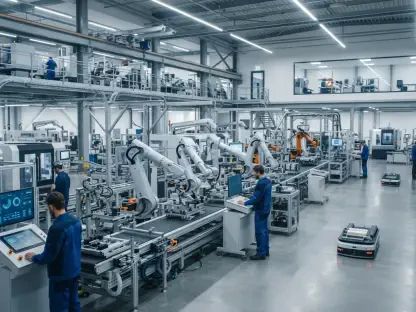
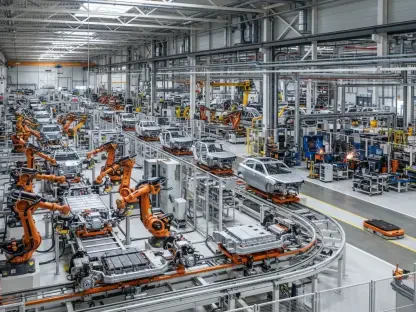
The nature of these investments is profoundly strategic, with 80 percent of total expenditure directed specifically toward production lines and a significant portion allocated to the construction of entirely new facilities. This focus on physical expansion and technological upgrading ensures that Italian manufacturers remain at the cutting edge of pharmaceutical capacity. Approximately 60 percent of the investment in infrastructure is dedicated to greenfield projects, allowing for the implementation of Industry 4.0 standards from the ground up. These new sites are designed to handle the most sophisticated biological products, including cell and gene therapies that require specialized handling and containment. By building from scratch rather than merely retrofitting older plants, Italian firms can offer partners the most efficient and compliant environments available today. This commitment to state-of-the-art infrastructure serves as a significant barrier to entry for competitors while providing a solid foundation for future growth.
Workforce Expansion: Cultivating Specialized Human Capital
The high level of capital expenditure supports a highly skilled workforce that continues to grow in both size and specialization across the Italian peninsula. The sector currently employs nearly 17,000 professionals, representing a consistent 10 percent increase in headcounts over recent years. This expansion is not just about numbers; it represents a deepening of the talent pool, with a high concentration of graduates in biotechnology, chemistry, and pharmaceutical engineering. These individuals form the backbone of an industry that relies on scientific rigor and precision. The ability of the Italian education system to produce top-tier talent has been essential in meeting the complex demands of modern drug development. This human capital success is a unique combination of academic excellence and practical industrial training that is difficult for other regions to replicate. The presence of such a dedicated and knowledgeable workforce ensures that Italy can continue to innovate and solve manufacturing challenges.
Industry experts attribute this human capital success to a unique combination of scientific expertise, industrial quality, and supply chain reliability that is recognized worldwide. This specialized ecosystem allows Italian companies to provide high-value services to global partners who require extreme precision, flexibility, and efficiency in the drug development process. Beyond technical skills, there is a cultural emphasis on problem-solving and adaptability that distinguishes Italian engineers and scientists. This flexibility is particularly valuable in the CDMO world, where projects often require rapid pivoting and customized solutions. Partners from the United States and other European nations frequently cite the reliability of the Italian supply chain as a decisive factor in their procurement decisions. By maintaining high standards of quality control and meeting stringent international regulatory requirements, the workforce has solidified Italy’s reputation as a trusted partner. This trust is the foundation for long-term manufacturing contracts.
Navigating Global Risks and Policy Needs
Geopolitical Pressures: The Challenge of International Competition
Despite record-breaking figures, the Italian pharmaceutical sector faces significant external pressures that could threaten its dominance on the global stage. Shifting geopolitical balances, particularly aggressive trade policies from the United States and the rapid advancement of the Chinese pharmaceutical industry, create a fierce global race for innovation. The potential implementation of the Most Favored Nation clause in American policy could draw investment away from Europe, as firms seek to align with U.S. economic interests. Meanwhile, China has rapidly closed the gap in the development of cutting-edge medicines and vaccines, leveraging state-backed initiatives to challenge European leadership. These international shifts require Italy to remain vigilant and proactive in its industrial strategy. The competition is no longer just between companies but between entire national ecosystems that are vying for control over the future of healthcare. Navigating these complexities will require a sophisticated blend of diplomacy and industrial policy.
Domestic challenges such as rising energy costs and heavy regulatory burdens risk eroding the competitive edge that Italian manufacturers have worked hard to build. The impact of the Emission Trading System (ETS) has placed a significant financial strain on energy-intensive manufacturing processes, which are essential for pharmaceutical production. Additionally, the administrative hurdles associated with compliance in a highly regulated environment can slow down the speed to market for new drugs. With 23,000 new medicines currently in development globally and 2 trillion dollars in worldwide investment, only the most adaptable and pro-innovation environments are expected to thrive. Italy must ensure that its domestic costs do not become prohibitive for international partners who have multiple options for their outsourcing needs. Maintaining a balance between environmental responsibility and industrial competitiveness is a critical hurdle. Failure to address these operational costs could lead to a gradual migration of projects to less expensive jurisdictions.
Policy Reform: Building a Resilient Regulatory Framework
To ensure Italy remains at the forefront of the global market, industry leaders are calling for significant policy reforms at both the national and European levels. There is an urgent need for a regulatory framework that recognizes the strategic value of the pharmaceutical industry through better incentive schemes and the removal of growth-stifling mechanisms. Specifically, the industry has advocated for a Budget Law that moves beyond the payback period, which many argue acts as an unofficial tax on innovation. By providing more predictable fiscal environments, the government can encourage even higher levels of domestic investment. This policy shift would allow companies to plan multi-year expansion projects with greater confidence. Nationally, the focus must be on creating an atmosphere where pharmaceutical manufacturing is treated as a critical infrastructure asset. Such a move would streamline permitting processes and provide targeted support for research and development, ensuring that the Italian-made label remains a synonym for quality.
Future success was predicated on a fundamental shift toward a pro-innovation and pro-investment framework within the European Union. Leaders recognized that to remain relevant against the expansion of American and Chinese markets, Europe had to translate the strategic importance of pharmaceuticals into concrete industrial policy. Stakeholders identified that supporting supply chain security and mitigating energy costs were essential steps to maintain a competitive edge. This required a coordinated effort to streamline regional regulations and provide financial incentives for sustainable manufacturing practices. By fostering a more collaborative environment between the public and private sectors, the industry prepared itself for the challenges of a diversifying global market. These actions ensured that the Italian CDMO sector continued to serve as a global benchmark for excellence. Moving forward, the industry prioritized the integration of artificial intelligence and digital twins to further optimize production, ensuring long-term resilience in an increasingly volatile landscape.