
The integration of upstream mining and downstream processing creates a self-sustaining model that could serve as a blueprint for future domestic manufacturing. This ambitious $18 billion initiative by Mesabi Metallics seeks to revolutionize the American industrial landscape by creating a seamless connection between the iron-rich soil of Minnesota and the sophisticated manufacturing corridors of Iowa. By establishing this end-to-end ecosystem, the company intends to insulate the domestic market from the unpredictable price swings and supply chain disruptions that have historically plagued heavy industry. This transition represents a shift away from decentralized production toward a more resilient, internally focused strategy. As global geopolitical tensions continue to influence commodity prices, the ability to extract raw materials and process them into high-grade steel within the same national borders provides a level of security that is increasingly rare in the contemporary economy. The announcement of this project at the White House marks a significant turning point in regional industrial policy.
Building a Unified Domestic Supply Chain
Scaling Up Production: The Economic Engine in the Midwest
The massive $15 billion downstream facility planned for Iowa represents a significant pillar of this broader economic strategy, aiming to transform the region into a global hub for advanced steel production. Analysts estimate that during the primary development phase, the project will generate more than 6,000 construction jobs, providing a massive influx of capital into local communities. Once the plant reaches full operational capacity, it will require a permanent workforce of nearly 1,750 skilled technicians and engineers. Beyond direct employment, the secondary economic effects are forecasted to be staggering, with total output expected to reach approximately $95 billion over the first ten years of the project. This influx of activity will likely stimulate growth across a wide range of ancillary sectors, including logistics, maintenance services, and local retail, effectively revitalizing parts of the Midwest that have faced industrial decline. This concentration of manufacturing capability ensures that the region remains a vital contributor to the nation’s broader industrial output.
Pioneering Green Manufacturing: Technological Shifts in Production
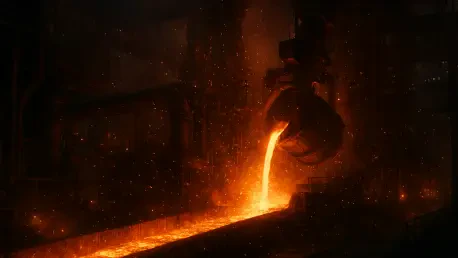
Central to this vision is the transition from carbon-heavy legacy manufacturing toward more sustainable, high-efficiency methods. The Iowa complex will utilize a sophisticated combination of Direct-Reduced Iron and Electric Arc Furnace technology. A key innovation in this process is “hot charging,” where metallic iron is fed into furnaces while still at high temperatures to significantly reduce the electricity required for melting. This hybrid model allows for a cleaner production cycle that meets modern environmental standards without sacrificing the high-purity output required for specialized industrial and military applications. At the core of the Minnesota operation is a $3 billion investment in the Patriot Pellet, a specialized iron ore feedstock engineered for these next-generation furnaces. By linking the high-specification output of the Nashwauk mine directly to the Iowa facility, the company maintains total quality control over the entire production cycle, ensuring that the final product meets the rigorous demands of 21st-century engineering.
Navigating the Path to Industrial Realization
National Security: Strengthening the Economy and Resource Independence
The strategic implications of this integrated model extend far beyond corporate profitability, touching on essential matters of national security and resource independence. By securing a robust, domestic source of high-purity steel, the United States significantly reduces its vulnerability to foreign entities that could leverage material shortages for geopolitical gain. This initiative ensures that the critical materials required for the manufacturing of military hardware, such as armored vehicles and naval vessels, are sourced and produced entirely within American borders. Moreover, the project serves as a safeguard for the nation’s infrastructure, providing a stable supply of materials for bridge construction, power grids, and transportation networks. The ability to maintain a steady flow of steel, regardless of global trade conditions, provides a foundation of stability that allows for long-term planning and investment in essential public works. This independence is a key component of modern economic resilience, fostering a vast network of local vendors and providers.
The Regulatory Roadmap: Overcoming Structural and Logistical Hurdles
The initial phases of development demonstrated that a total vertical integration model could effectively modernize the American steel sector. As the project moved forward, stakeholders recognized that addressing the infrastructure needs of local communities was just as vital as the technical aspects of the mill itself. State officials and private developers coordinated efforts to ensure that the influx of thousands of workers was met with adequate housing, updated utility grids, and expanded transportation networks. This proactive approach to community readiness became a template for other large-scale industrial projects across the country. Future efforts should prioritize the refinement of permitting timelines to allow for faster deployment of green technologies without compromising environmental standards. By successfully aligning private investment with public policy, the Mesabi Metallics initiative established a new standard for sustainable manufacturing. The lessons learned from these early phases highlighted the importance of domestic resource security in maintaining a competitive edge.