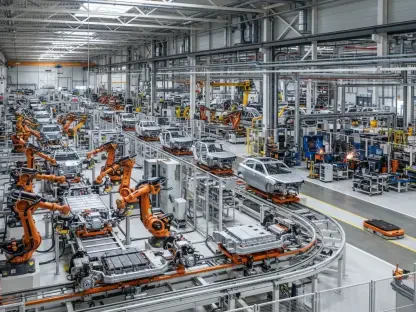

Through partnerships with over 20 commercial banks, the manufacturer has modernized the regional sales landscape by offering zero-interest financing and flexible down payments. This financial strategy acted as a catalyst for a deeper industrial shift, transforming Uzbekistan into a central hub for automotive production within the Caucasus and Central Asian regions. Originally emerging from a 1993 partnership with Daewoo, the entity transitioned into a state-owned powerhouse under Uzautosanoat, effectively steering the national economy toward advanced manufacturing. The current operational scale is immense, characterized by a dedicated workforce of 15,000 employees and a massive production capacity of 500,000 units per year. By streamlining its assembly lines to focus on essential Chevrolet models, the firm reached a total output of 393,000 vehicles just one year ago. This expansion reflects a remarkable financial trajectory, with revenues growing from $1.4 billion a decade ago to $5.1 billion by 2025, supported by a network of 100 dealerships across diverse markets.
Strengthening the Local Economy: Supply Chain Integration
Localizing Production and Strengthening Supplier Networks
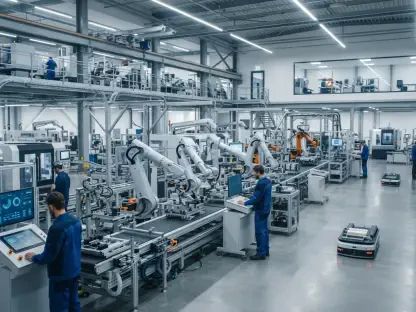
The drive toward industrial autonomy has led to a comprehensive overhaul of the local supply chain, emphasizing the necessity of domestic component manufacturing over reliance on international imports. Initially, the manufacturer faced significant hurdles due to a lack of specialized tooling and engineering standards within the domestic market, making the production of complex automotive parts a logistical challenge. To overcome these barriers, the company implemented a long-term localization strategy that successfully expanded its network from 250 local suppliers in 2016 to more than 300 by 2025. This growth was not merely numerical; it involved providing domestic firms with the technical training and demand visibility required to justify massive capital investments. By integrating these local partners into the broader production ecosystem, the company significantly reduced its vulnerability to global logistics disruptions while simultaneously lowering the overall cost of vehicle assembly.
Building Resilience: Strategic International Collaborations
Strategic collaborations have played a vital role in elevating the technological sophistication of the regional automotive sector, particularly through the enduring partnership with General Motors. This alliance has facilitated a massive transfer of knowledge, allowing local firms to adopt global best practices in quality control and precision engineering. By encouraging joint ventures between international experts and domestic entrepreneurs, UzAuto Motors has bridged the gap between legacy manufacturing processes and modern industry requirements. The phased implementation of component production ensures that suppliers can gradually scale their operations, moving from simple parts to more complex mechanical and electronic systems. This collaborative framework not only strengthens the manufacturer’s bottom line but also serves as a catalyst for broader economic development, creating high-tech jobs and fostering a culture of innovation that extends far beyond the automotive factory floor.
Human Capital: Navigating Market Shifts
Investing in Workforce Development and Educational Growth
Central to the company’s success is a rigorous commitment to professional development, ensuring that the 15,000-strong workforce remains capable of handling increasingly complex production technologies. The manufacturer has institutionalized a multi-tiered training system that addresses more than just technical proficiency; it incorporates leadership development, foreign language studies, and professional ethics. This holistic educational approach prepares employees to operate within a global corporate environment, fostering a culture of adaptability and continuous improvement. By providing staff with the tools to master new assembly techniques and safety protocols, the organization maintains a high level of operational efficiency that is critical for meeting its ambitious 500,000-unit capacity. This investment in human capital creates a sense of shared purpose and professional pride, which translates directly into the quality and reliability of the vehicles that roll off the assembly line for the regional market.
Securing the Leadership Pipeline: Academic Support
Looking beyond immediate technical needs, the organization has established a pipeline for future leadership by financing higher education for high-potential employees. This contractual support for academic advancement allows promising staff members to pursue specialized degrees, ensuring that the next generation of managers and engineers is grown from within the company. This strategy is complemented by mandatory certifications and targeted workshops that keep the entire team updated on the latest advancements in automotive safety and environmental regulations. By prioritizing internal talent development, the firm reduces its reliance on external consultants and fosters a stable corporate culture rooted in deep institutional knowledge. Such a commitment to lifelong learning not only benefits the individual employee but also secures the company’s long-term competitive edge in a rapidly evolving global market where intellectual capital is just as valuable as physical production assets.
Adapting to Regulatory Reforms: Competitive Pressures
The automotive landscape in Uzbekistan has recently experienced a dramatic shift due to significant regulatory reforms aimed at liberalizing the market and encouraging foreign competition. The reduction of import tariffs and the total abolition of excise and customs duties on electric and hybrid vehicles have opened the door for international competitors, ending the era of domestic insulation. While these changes presented a challenge to the manufacturer’s market dominance, the company responded by adopting a strategy of competitive leadership rather than protectionism. This transition involved a rapid modernization of sales mechanisms and a renewed focus on customer-centric service to maintain loyalty in an increasingly crowded marketplace. By viewing market liberalization as an opportunity to refine its operations, the firm has pushed itself to achieve higher standards of efficiency and product quality that can stand up to global scrutiny, ensuring its continued relevance in a more transparent and open economic environment.
Diversifying Product Lines: Sales Mechanisms
In direct response to these shifting market dynamics, the manufacturer has diversified its product lineup to cover a wider range of price points and consumer preferences. This diversification strategy ensures that the Chevrolet brand remains accessible to a broad demographic, from budget-conscious first-time buyers to those seeking more premium features and modern technology. The integration of flexible financing options through more than 20 commercial banks has played a pivotal role in this effort, effectively lowering the barrier to entry for car ownership across the region. These financial tools, combined with a robust network of 100 dealerships, allow the company to maintain a strong presence even as new international brands enter the market. By combining affordable pricing with improved after-sales support and digital communication tools, the organization has managed to stabilize its market share while simultaneously preparing for a future defined by increased choice and higher consumer expectations.
Driving Innovation: The Future of Green Mobility
Embracing Digitalization: Sustainable Transportation Goals
Digital transformation has become a cornerstone of the company’s operational strategy, focusing on enhancing both internal efficiency and the external customer journey. As digital-first consumers become the norm, the manufacturer has integrated advanced tools to streamline the vehicle purchasing process and improve overall ownership transparency. This includes the development of digital platforms that allow for real-time communication between customers and dealerships, as well as internal systems that optimize inventory management and supply chain logistics. By embracing these technological advancements, the firm is able to respond more quickly to market demands and identify potential bottlenecks before they affect production. This shift toward a data-driven business model not only improves the bottom line but also ensures that the company remains at the forefront of modern industrial practices. Digitalization serves as the bridge between traditional manufacturing excellence and the high-tech, service-oriented future of the global automotive industry.
Developing Electric and Hybrid Vehicle Infrastructure
The commitment to sustainable transportation has gained significant momentum as the organization aligns its long-term goals with the national development plan. From 2026 through 2030, the manufacturer is actively developing a suite of electric and hybrid vehicle projects in close coordination with General Motors to meet the growing regional demand for eco-friendly mobility. This pivot toward green technology represents a fundamental evolution in the company’s product strategy, moving away from a total reliance on internal combustion engines toward a more diverse and environmentally conscious portfolio. The transition involves not only the assembly of new vehicle types but also the localization of the specialized components required for electric drivetrains. By investing in the infrastructure and expertise needed for green mobility today, the firm is positioning itself to lead the regional market through the next decade. This proactive approach ensures that the local industry remains in sync with global trends toward decarbonization and technological innovation.
Future Perspectives: Toward a Sustainable Manufacturing Ecosystem
The strategic evolution of the regional automotive sector provided a clear roadmap for future industrial growth that prioritized technological self-sufficiency and environmental responsibility. Leaders in the industry focused on deepening the localization of high-tech components, such as battery systems and advanced electronics, to ensure that the manufacturing ecosystem remained resilient against future global market shifts. By expanding the existing framework of international partnerships, the organization successfully transitioned from a traditional vehicle assembler to a sophisticated technology provider. Actionable steps were taken to integrate renewable energy sources into the production process, further aligning industrial output with global sustainability standards. The resulting infrastructure not only supported the mass adoption of electric vehicles but also served as a template for other manufacturing sectors in Central Asia. This forward-looking approach solidified a foundation for economic stability that combined traditional engineering strengths with the necessary agility to thrive in a digital and carbon-neutral world.