
Modern garment manufacturing faces a shift toward sustainable practices where warp-knit weft insertion reduces the need for extensive wastewater treatment. This transformation is currently being led by Karl Mayer, a pioneer in textile machinery, as the industry prepares for the landmark ITMA Asia + CITME 2026 exhibition in Shanghai. The company is set to unveil its revolutionary WovenLike fabric collection, a project that utilizes enhanced TM Weft warp knitting technology to bridge the gap between traditional aesthetics and modern efficiency. This strategic initiative positions warp-knit weft insertion as a viable, high-performance alternative to weaving, catering to a market that increasingly values speed, comfort, and ecological responsibility. By merging the structured visual appeal of woven goods with the elasticity and breathability of knitwear, this technology provides manufacturers with a versatile tool to navigate the complexities of contemporary fashion demands effectively.
Seamless Integration: The Evolution of WovenLike Fabrics
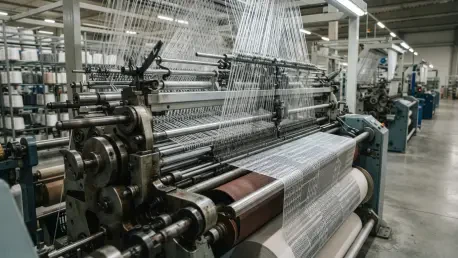
The core philosophy behind the WovenLike concept rests on the seamless integration of weft yarns into a warp-knitted framework, creating a textile that mirrors the density and texture of woven fabrics. Unlike traditional knits, these materials offer a stability and visual depth that make them suitable for high-end tailoring and structured garments, yet they retain the superior functional benefits of knitting, such as exceptional crease resistance and a natural freedom of movement. This hybrid approach allows designers to achieve the tailored look of a classic suit or formal dress while providing the wearer with the comfort typically reserved for sportswear. Furthermore, the efficiency of this process is significantly higher than traditional weaving methods, as it allows for faster production speeds without compromising the structural integrity of the final product, marking a major shift in how the industry views high-volume garment production in the current market environment.
Beyond the visual and physical properties of the fabrics, the TM Weft technology excels in its ability to process a wide variety of challenging raw materials that standard tricot machines often struggle to handle. Manufacturers can now effortlessly incorporate natural fibers like linen and viscose, as well as acetate and various effect yarns, into their designs to create unique tactile experiences. This material flexibility is a cornerstone of the WovenLike project, enabling the production of intricate textures and patterns that were previously difficult to manufacture at scale. Additionally, moving toward warp-knitted alternatives offers a streamlined finishing process that requires fewer chemicals and less energy, further reinforcing the sustainability goals of modern textile plants. By reducing the complexity of the supply chain and minimizing resource consumption, Karl Mayer is providing a path for companies to meet rigorous environmental standards while maintaining a competitive edge in a fast-paced global economy.
Diverse Applications: From Heavy Textures to Light Chiffons
The adaptability of the TM Weft machine is perhaps most evident in the breadth of the WovenLike collection, which spans from heavy, structured textiles to the lightest decorative materials. For the autumn and winter seasons, the technology produces high-density fabrics that emphasize warmth and sophisticated surface designs, such as crêpe fabrics integrated with Lycra T400 fiber. This specific yarn choice ensures that the resulting garments possess excellent stretch and recovery properties, which are essential for maintaining shape over time in form-fitting apparel. The collection also introduces luxury elements by incorporating metallic yarns into delicate bouclé structures, adding a refined decorative touch suitable for the high-fashion sector. Furthermore, the application of the burnout or devoré process allows for the creation of expressive, layered floral patterns that give the fabric a three-dimensional quality, proving that technical efficiency does not have to come at the expense of artistic expression.
On the opposite end of the spectrum, the collection features lightweight, flowing apparel specifically designed for the burgeoning modest fashion market and traditional regional garments. These ethereal textiles, inspired by the delicate nature of crinkle chiffon, can achieve weights as low as sixty-three grams per square meter, demonstrating the incredible precision of the upgraded machinery. To reach these levels of refinement, the process utilizes acetate to provide a silk-like sheen and a cool hand-feel, while viscose is employed for its soft luster and natural touch. In addition to these textured surfaces, the machine can produce clean, minimalist cotton-blend fabrics with linear stripe designs, offering a modern aesthetic for everyday wear. This wide range of applications ensures that textile mills can use a single technological platform to serve diverse consumer segments, from those seeking heavy winter protection to those looking for breathable, elegant summer clothing that adheres to specific cultural styles.
Technical Precision: Strategic Implementation and Future Steps
To support the production of such a diverse array of textiles, several critical hardware and software upgrades have been implemented to the TM Weft system. One of the most significant advancements is the introduction of a finer E 36 gauge, which allows for the creation of much thinner and more intricate fabrics than was possible with previous iterations. This development is crucial for manufacturers aiming to enter the premium lightweight apparel market, where the demand for fine-gauge textiles is consistently high. In conjunction with this, a new electronic pattern drive, known as the EL drive, has been integrated to provide unprecedented flexibility during the production process. This system enables rapid pattern changes and shorter development cycles, allowing companies to respond almost instantly to the volatile shifts in consumer trends. By reducing the downtime associated with mechanical adjustments, the EL drive enhances the overall productivity of the mill and supports a more agile manufacturing strategy.
The successful integration of the WovenLike collection into the industrial landscape provided a clear roadmap for the future of apparel manufacturing. Decision-makers within the textile sector recognized the importance of transitioning to high-efficiency platforms like the TM Weft to remain viable in a world that prioritized both performance and ecological preservation. To further this understanding, live demonstrations in Changzhou offered a transparent look at the machine’s capabilities, allowing engineers to evaluate its performance under real-world conditions with complex yarn combinations. This hands-on approach facilitated a deeper knowledge of how finer gauges and electronic drives streamlined the production process while maintaining the aesthetic integrity of the final fabric. As a result, the industry adopted these technical advancements as a standard for producing sophisticated, sustainable textiles. These steps ensured that mills were well-equipped to handle the evolving demands of global fashion markets through 2028 and beyond.