
The rapid expansion of global energy storage capacity has fundamentally altered the landscape of industrial battery production, compelling manufacturers to look beyond the electric vehicle market. LG Energy Solution is currently navigating a sophisticated transition, refocusing its massive North American industrial footprint toward stationary Energy Storage Systems. This strategic realignment addresses a dual reality where the electric vehicle market faces a temporary plateau while the demand for grid-scale storage is reaching unprecedented levels. By repurposing high-tech facilities and adopting more resilient battery chemistries, the organization is positioning itself not just as a supplier for the automotive sector, but as a primary architect of the modern power grid. This shift is essential for maintaining high utilization rates in factories that were originally conceived for a different industrial era.
Evolution of LG Energy Solution’s Energy Storage Strategy
The core principles of the current strategy involve a deliberate migration from mobile energy solutions to high-capacity stationary storage architectures. This evolution emerged from the realization that the infrastructure required to support a decarbonized economy relies as much on stabilizing the grid as it does on electrifying transportation. By leveraging deep expertise in lithium-ion technology, the company has integrated advanced thermal management and modular design into its storage platforms. This context is vital because it marks a departure from the historical focus on energy density for driving range toward a focus on cycle life and safety for long-term utility applications.
The relevance of this shift in the broader technological landscape cannot be overstated, particularly as the industry moves away from a singular reliance on the automotive sector. As manufacturers faced a mismatch between planned capacity and actual electric vehicle sales, the pivot to stationary storage provided a necessary outlet for production. This transition allows for a more balanced industrial ecosystem where battery production is decoupled from the volatility of consumer car buying habits. Consequently, the strategy ensures that the technological advancements made in cell chemistry are applied to a wider range of critical infrastructure projects.
Key Technical Components and Strategic Shifts
Transition to Lithium Iron Phosphate (LFP) Chemistry
The move from nickel-manganese-cobalt chemistries to Lithium Iron Phosphate represents a fundamental change in how stationary storage functions. LFP cells are inherently more stable, as the phosphate-based cathode is less susceptible to thermal runaway compared to high-nickel alternatives. This safety profile is particularly significant for large-scale utility installations where thousands of cells are packed in close proximity. While LFP offers lower energy density, the trade-off is justified by a longer operational lifespan and a more cost-effective manufacturing process that does not rely on expensive cobalt.
This strategic chemistry shift serves as a direct competitive response to the dominance of international manufacturers who have long utilized LFP for stationary applications. By localizing LFP production within North America, the strategy seeks to create a secure, domestic supply chain that meets the specific safety and regulatory requirements of the region. The implementation of this chemistry allows for higher charge-discharge cycles, which is the primary performance metric for utility operators who require systems to last for decades without significant degradation.
Adaptive Manufacturing Infrastructure
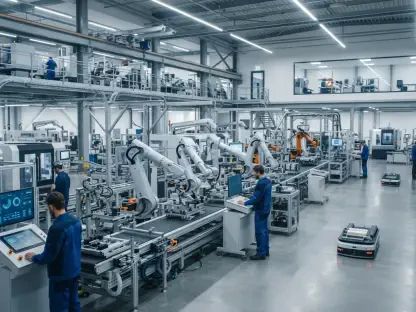
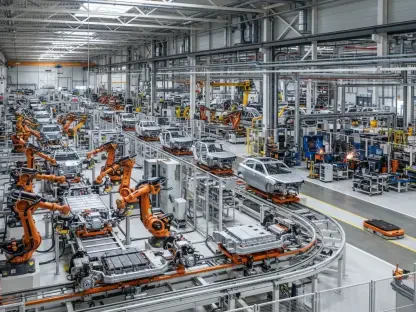
Adaptive manufacturing is the process of reconfiguring existing production lines to accommodate the differing physical and chemical requirements of storage-grade cells. This involves significant factory floor modifications, where space once dedicated to complex automotive pack assembly is now optimized for the high-volume production of standardized storage containers. By maintaining high capacity utilization through this flexibility, the company avoids the financial pitfalls of idle machinery. The repurposing of facilities in the United States highlights a move toward a “swing” production model that can react to shifts in market demand between sectors.
Drivers of Technological and Market Growth
The current surge in energy storage demand is being fueled by the massive energy requirements of generative artificial intelligence and high-performance computing centers. These facilities operate with a constant, high-energy load that places immense pressure on existing electrical grids. Battery storage systems act as a critical buffer, storing energy during periods of low demand and discharging it to prevent grid failure during peak processing times. This specific need for “load following” has turned the energy storage market into a high-priority sector that rivals the automotive industry in scale and profitability.
Real-World Applications and Deployment
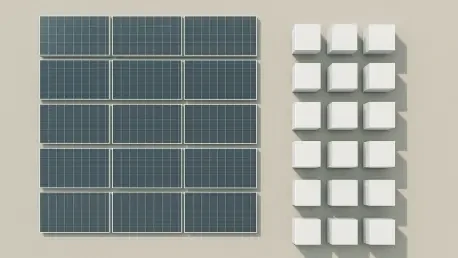
Practical applications of this strategy are already visible in the support of regional power grids and the infrastructure of tech-heavy enterprises. For instance, the supply of specialized cells to major industry leaders like Tesla demonstrates the technology’s ability to integrate into established ecosystems. These systems are used to bridge the gap between intermittent renewable energy sources, such as wind and solar, and the continuous demand of the modern economy. By providing a stable energy reservoir, these deployments ensure that green energy becomes a reliable, baseload resource for heavy industry and residential sectors alike.
Navigating Industry Challenges and Limitations
The path toward dominance in the storage sector is fraught with the complexities of competing against established global leaders who benefit from mature supply chains. Domestic manufacturers must overcome the higher costs associated with building local ecosystems for raw materials and component parts. Additionally, the ongoing volatility of the electric vehicle market creates a ripple effect that can impact the overall capital available for research and development. To mitigate these limitations, the current strategy focuses on aggressive scaling and the pursuit of federal incentives that favor domestic production.
Future Outlook and Technological Trajectory
The trajectory of this technology points toward a total convergence of the transportation and energy sectors, where the boundaries between vehicle batteries and grid storage become increasingly blurred. Future developments are likely to focus on breakthroughs in energy density within the LFP framework and the potential integration of solid-state components for even greater safety. As the demand for renewable integration grows, the role of high-capacity storage will shift from a luxury to a mandatory component of global energy stability. This evolution will likely lead to more decentralized power structures where local storage nodes manage community-level energy distribution.
Summary and Final Assessment
LG Energy Solution successfully demonstrated that industrial agility was the most effective tool for navigating a shifting economic landscape. The decision to prioritize the Energy Storage System market allowed the organization to absorb excess capacity while simultaneously addressing the urgent power needs of the artificial intelligence sector. Stakeholders moved toward a more diversified energy portfolio that emphasized grid stability and safety over the singular goal of automotive electrification. This transition represented a calculated response to a changing world, ensuring that manufacturing investments remained productive despite fluctuations in consumer demand. Ultimately, the pivot provided a clear blueprint for how legacy battery manufacturers could evolve into holistic energy infrastructure providers.