
The notion that manufacturing productivity and environmental stewardship are mutually exclusive concepts has been thoroughly dismantled by the latest advancements in precision engineering. Historically, industrial operations accepted high levels of material scrap and energy consumption as the unavoidable tax of mass production. However, as global regulatory frameworks tighten and consumer demand for responsible sourcing peaks, the injection molding sector is undergoing a profound transformation. This evolution is not merely about aesthetic greenwashing; it represents a fundamental shift toward operational excellence where every gram of resin and every kilowatt-hour of electricity is accounted for. By integrating sophisticated software and hardware solutions, modern facilities are demonstrating that reducing a carbon footprint is synonymous with maximizing profitability. This synergy between ecology and economy is creating a new standard for how physical goods are brought to market in a resource-constrained world. Success now depends on how well a firm can eliminate the waste that was once considered a standard part of the manufacturing process.
The Challenge: Eliminating Inefficiencies in Legacy Production Systems
Traditional injection molding methods have long suffered from significant warm-up periods where machines produce substandard parts until thermal stability is reached. These out-of-spec components frequently end up as industrial waste, representing a loss of both raw materials and the energy used to process them. Furthermore, the necessity of purging lines during color or material changes creates heavy clumps of solidified plastic known as purgings that are difficult to recycle without specialized equipment. Modern facilities are addressing these systemic flaws by utilizing predictive thermal management and rapid-changeover technologies that minimize the volume of scrap generated during transitions. By shortening the stabilization window, manufacturers can ensure that sellable parts are produced almost immediately after a run begins. This focus on precision at the start of the production cycle is essential for maintaining lean operations and reducing the overall environmental impact of high-volume manufacturing. Every minute saved in stabilization directly translates into reduced resin waste.
Beyond the physical scrap generated on the factory floor, the carbon footprint of logistics remains a critical challenge for global brands. Shipping heavy molds and massive quantities of plastic components across oceans contributes significantly to the total emissions profile of any product. Consequently, there is a growing trend toward localized manufacturing, where production occurs closer to the end consumer. This geographic shift, often supported by regional partnerships, eliminates thousands of miles of transit and the associated heavy fuel oil emissions from maritime freight. Domestic production also allows for tighter control over environmental compliance, ensuring that every part is made under strict local regulations regarding energy sourcing and waste disposal. By shortening the supply chain, companies not only reduce their carbon output but also gain agility in responding to market fluctuations. This strategic realignment of production hubs is becoming a cornerstone of sustainable business models in the current industrial landscape where speed and ethics intersect.
Design Solutions: Engineering Precision Through Strategic Product Design
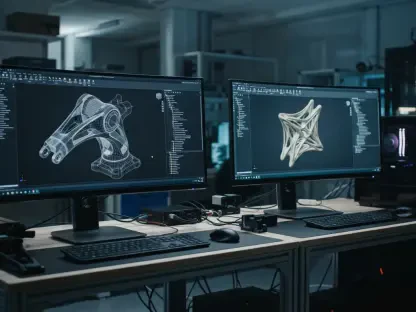
The battle against industrial waste is often won or lost on the designer’s digital drafting board before a single machine is activated. Design for Manufacturing, or DFM, has evolved into a sophisticated discipline where engineers use advanced simulation software to analyze the flow of molten plastic within a mold. These simulations allow for the removal of unnecessary material in areas where it does not contribute to the structural integrity of the part. For example, by implementing thin-wall designs and strategically placed support ribs, engineers can reduce the total resin requirement of a component by twenty percent or more. This reduction in mass translates directly into lower material costs and a smaller carbon footprint associated with resin production and transportation. Furthermore, optimized designs lead to faster cooling times within the mold, which increases throughput and decreases the energy required per unit. This proactive approach ensures that sustainability is baked into the product’s DNA from the very beginning of its development cycle.
One of the most significant mechanical advancements in reducing physical waste is the widespread adoption of hot runner tooling systems. In traditional cold runner setups, the plastic that fills the distribution channels between the machine nozzle and the part cavity solidifies along with the part itself. These runners must be mechanically removed and either discarded or put through a secondary regrinding process, which consumes additional energy and can degrade material quality. Hot runner systems, conversely, utilize internal heating elements to keep the plastic in those channels in a molten state throughout the entire production run. This ensures that only the plastic within the actual part cavity solidifies, virtually eliminating the creation of runner scrap. While the initial investment in hot runner molds is higher, the long-term savings in material costs and the reduction in secondary processing make it a superior choice for high-volume production. This technology represents a clear victory for both environmental responsibility and manufacturing efficiency in modern shop environments.
Data Integration: Harnessing Scientific Molding and Renewable Materials
The transition from operator-led intuition to data-driven decision-making has birthed the era of Scientific Molding. In the past, technicians would adjust machine settings based on visual inspections or trial and error, which often resulted in inconsistent part quality and high rejection rates. Modern Scientific Molding utilizes a network of sensors embedded directly within the mold cavity to monitor real-time variables such as melt pressure, cavity temperature, and cooling rates. This granular level of data allows the machine to make micro-adjustments during every cycle to maintain perfect consistency. By ensuring that every part meets exact specifications, manufacturers can almost entirely eliminate production scrap that would otherwise be destined for a landfill. This repeatable precision not only saves material but also optimizes the energy consumption of the press by preventing unnecessary over-pressurization. The ability to record and analyze this data across thousands of cycles provides a level of transparency and efficiency that was previously unattainable for legacy manufacturers.
While engineering and data optimize the how of manufacturing, the choice of raw materials addresses the what of the sustainability equation. There is a concerted movement away from virgin, fossil-fuel-based plastics toward bio-resins derived from renewable sources like corn, sugarcane, or even algae. These materials can often be processed on existing machinery with minimal modifications, providing a path to carbon neutrality for consumer-facing brands. Additionally, the integration of post-consumer recycled resins into high-performance blends has become a standard practice for reducing the demand for new plastic production. Advanced filtration and compounding technologies ensure that these recycled materials retain the physical properties required for durable goods. By closing the loop on the material lifecycle, manufacturers are transforming plastic from a single-use liability into a valuable, circular resource. This material revolution is critical for reducing the long-term environmental impact of the plastic industry while meeting the rigorous performance demands of modern products.
Infrastructure Shifts: Transitioning to All-Electric Industrial Frameworks
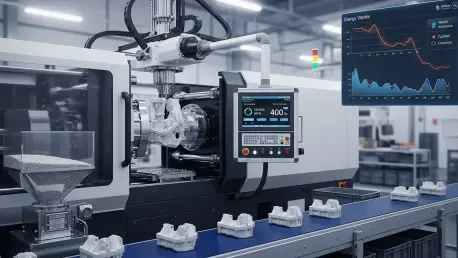
Perhaps the most impactful infrastructure change in modern molding facilities is the replacement of legacy hydraulic presses with all-electric machinery. Hydraulic systems have long been the industry workhorse, but they are inherently inefficient because they require pumps to maintain pressure even when the machine is not moving. This constant operation generates significant heat, which then requires massive cooling systems to dissipate, creating a secondary drain on the facility’s power grid. All-electric machines, however, utilize high-torque servomotors that only consume electricity during active movement. From 2026 to 2030, the adoption of all-electric machinery is expected to become the baseline for new facility construction. Beyond energy savings, electric machines offer superior precision and cleanliness, as they eliminate the risk of oil leaks and the need for hydraulic fluid disposal. This shift represents a significant step toward a carbon-neutral factory floor, where energy is used with surgical precision rather than through the use of blunt force.
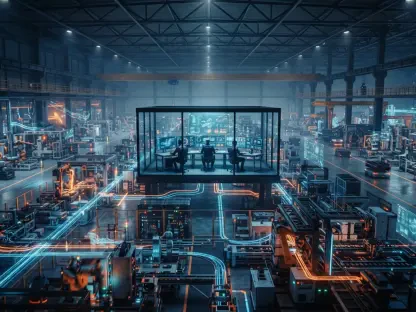
Modern manufacturing plants are no longer viewed as collections of isolated machines but as integrated ecosystems where energy and heat are managed holistically. Smart factory initiatives now incorporate heat recovery systems that capture the ambient warmth generated by molding processes and repurpose it to heat the facility or provide hot water. Furthermore, the integration of solar arrays and battery storage systems allows many facilities to offset a portion of their peak energy demand with clean, on-site power. This systemic approach to energy management ensures that the efficiency gains found at the machine level are amplified across the entire operation. By monitoring the real-time power draw of every asset, plant managers can identify bottlenecks and optimize production schedules to coincide with periods of lower grid intensity. These facility-wide strategies demonstrate that a commitment to sustainability requires looking beyond the individual part and considering the entire environmental footprint of the manufacturing environment from a comprehensive perspective.
Future Resilience: Implementing Long-Term Strategies for Sustainable Growth
The transition toward high-efficiency injection molding proved that environmental goals were the most effective catalysts for industrial innovation. Organizations that adopted electric machinery and scientific molding protocols realized that the initial capital expenditure was quickly offset by reduced scrap rates and lower utility bills. Designers who utilized simulation software successfully reduced material intensity, which lowered both production costs and transportation emissions. It became clear that the most successful companies were those that treated sustainability as a core engineering challenge rather than a secondary compliance requirement. Moving forward, the industry must prioritize the adoption of standardized material tracking and carbon accounting to provide full transparency to the end consumer. Collaborative efforts between resin suppliers and molders should focus on expanding the compatibility of bio-based materials with existing high-speed production lines. By continuing to refine these technologies, the manufacturing sector ensured a resilient future where growth was decoupled from environmental degradation.
Decision-makers discovered that the most effective strategy involved auditing every stage of the supply chain to identify hidden carbon costs. Companies that moved toward modular mold designs successfully reduced the physical footprint of their tooling inventory, which streamlined warehouse operations. It was observed that maintaining open communication between resin suppliers and product designers allowed for the rapid adoption of new, lower-impact materials. Furthermore, the implementation of localized micro-factories proved to be a superior method for minimizing the environmental and financial risks associated with global shipping disruptions. These actions provided a blueprint for long-term viability in an increasingly regulated industrial market. By focusing on transparency and material circularity, organizations effectively mitigated their environmental impact while securing a competitive advantage. This approach demonstrated that true efficiency was only achievable when ecological health was prioritized as a primary operational metric that defined the overall success of the business.